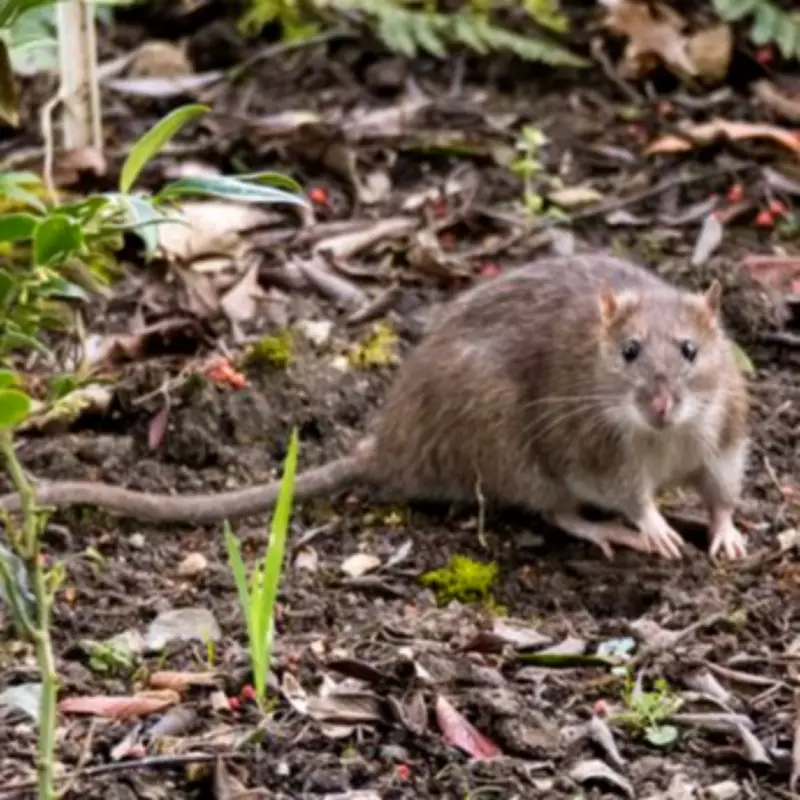
As the weather begins to brighten across the United Kingdom, homeowners face an unwelcome seasonal challenge. Spring marks the prime breeding season for rats and mice, with these opportunistic rodents actively searching for food and shelter. Unfortunately, our homes and gardens often provide the ideal nesting spots, leading to potential infestations that are both difficult and costly to eliminate once established.
The Critical Importance of Prevention
Dealing with a full-blown rodent infestation can become a genuine nightmare for any household. This reality makes preventive measures absolutely essential before problems arise. While many people might instinctively consider using deterrent scents like peppermint or garlic, or placing out specific foods to repel pests, experts emphasize a more fundamental approach that proves safer and more effective.
Eliminating Shelter: The Expert Consensus
Daniel Steward, Managing Director at Shield Pest Control, provides clear guidance on this primary strategy. "Rodents consistently seek out sheltered areas to nest, so removing potential hiding spots represents a crucial first step," he explains. This involves practical garden maintenance such as trimming back hedges and shrubs while keeping grass short and well-maintained. Dense greenery offers perfect concealment for rodents attempting to remain unseen.

Steward further advises that piles of materials can create ideal nesting sites, recommending storage in sheds or sealed containers whenever possible. Using rodent-proof compost bins and ensuring all waste containers remain fully closed prevents rodents from accessing readily available food waste that might encourage nesting.
Making Gardens Less Appealing
Laurence Barnard, Country Business Manager at BASF Pest Control Solutions, echoes this perspective with additional warnings. "Rats are highly adaptable and opportunistic creatures, frequently seeking shelter close to food and water sources," he notes. In garden environments, they commonly nest in dense vegetation like bushes and shrubs, within sheds, beneath compost heaps, or under decking areas.
Barnard stresses that making your garden deliberately 'less appealing' to rodents is paramount. This involves keeping all vegetation well-trimmed, sealing any gaps under decking structures, and ensuring garden sheds are properly secured against entry. These physical barriers significantly reduce nesting opportunities.
Removing Food Sources
While eliminating shelter remains the foremost recommendation, experts unanimously agree that removing accessible food sources forms the second critical pillar of prevention. Eric Bramlett, real estate broker and owner of Bramlett Partners, identifies this as "one of the most effective ways" to keep rodents at bay.
Bramlett explains: "Rodents are typically drawn to easy food sources and sheltered spaces, so simple maintenance around the home can make a substantial difference." Practical measures include keeping rubbish bins tightly sealed, promptly clearing fallen fruit from gardens, and storing pet food indoors rather than outside. Regularly trimming back dense plants or hedges near the home further removes potential hiding places where rodents might establish themselves.
Additional Protective Measures
For homeowners who have already tidied their gardens and sealed obvious entry points but remain concerned about rodent invasions, several supplementary strategies exist. Mice possess the remarkable ability to squeeze through minuscule gaps, so blocking any discovered openings with materials like steel wool can effectively prevent entry.
Dylan Stringer-Moth, Gardening Expert at One Click Plants, recommends peppermint oil as a safe and straightforward natural deterrent. "Peppermint oil actually stands as one of the best natural remedies available for keeping rodents away, since they rely heavily on their sense of smell," he elaborates. The potent scent overwhelms their olfactory receptors, discouraging exploration or nesting in treated areas.

A budget-friendly application method involves soaking cotton balls in peppermint oil and placing them near potential home entry points, around the garden, in sheds, or anywhere rodents might travel. Alternatively, mixing a few drops with water in a spray bottle allows targeted application to key areas around the home, shed, or garden bins.
Strategic Planting for Deterrence
Plants can also play a vital role in creating natural pest barriers. Stringer-Moth continues: "Certain plants possess strong natural aromas that rodents and many other pests find distinctly unpleasant." These include mint, rosemary, sage, and lavender, which not only enhance garden aesthetics but actively make areas less attractive for nesting or feeding.
Consider planting these aromatic varieties around patios, near sheds, as garden borders, or adjacent to compost areas to establish a natural, fragrant barrier against rodent intrusion. Combining this botanical approach with thorough garden maintenance and food source elimination creates a comprehensive defense strategy as spring progresses and rodent activity increases.