Foraging for Survival: Is a Wild Food Diet Realistic Without Time and Community?
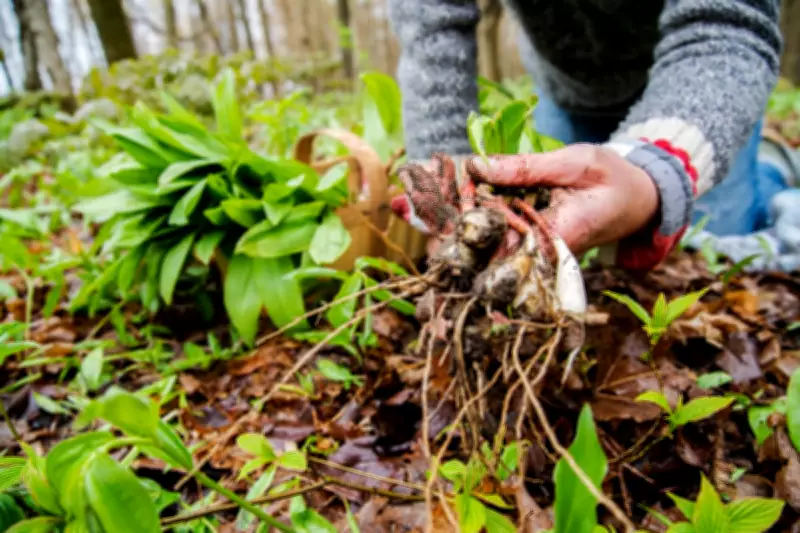
When environmental activist Robin Greenfield delayed an interview to harvest wild onions, it highlighted a key question: can foraging truly replace our reliance on grocery stores? Greenfield, author of Food Freedom, has lived solely on foraged and grown food since October, traveling seasonally from Maine to Georgia. His experience underscores that this labor-intensive lifestyle isn't for everyone—it requires meticulous planning, flexibility, and a deep commitment.
The Full-Time Commitment of Foraging
Greenfield's journey involves harvesting 75 pounds of wild rice, 200 pounds of mushrooms, and 42 quarts of applesauce, with preparation taking three months. He emphasizes that foraging is akin to a full-time job, ranging from 20 to 80 hours weekly, including preservation work. "The only way to live off a fully foraged diet," he says, "is to harvest abundance when you find it and preserve that abundance." Time is critical—knowing when to harvest, how long food lasts, and dedicating hours to preservation are essential.
Most people lack such systems or helpers. Foraging often supplements diets, as seen with seasonal greens and mushrooms, but solely relying on it demands constant effort. One missed day can turn potential food into mush, highlighting the precarious balance.

Community and Knowledge: Essential Pillars
Ethnobotanist Linda Black Elk and her husband Luke, Lakota chef and activists, stress that foraging isn't a solo endeavor. With full-time jobs, they integrate wild foods into their diet through hunting, fishing, and trading. Linda rejects the "every man for himself" homesteading ideal, advocating for community support. "It requires community, especially now, when we have to increase land access and knowledge," she explains.
Their family uses vacation time for harvesting—prairie turnips in June, chokecherries in July, wild plums in August, and wild potatoes in October. They trade with elders, like Jack from Red Lake Reservation, who exchanges wild rice for prairie turnips, acknowledging modern realities like bills. Linda's stance has softened from a militant view to one of gentleness, focusing on adding wild foods rather than eliminating processed ones.
Nutritional and Practical Challenges
Registered dietitian Jessica Brantley-Lopez notes that while foraged diets can be nutrient-dense, they're impractical long-term for most. Safe identification, meeting calorie needs, and accessing nutrients like B12 and iron pose significant hurdles. Seasonal availability limits consistency, making it difficult to sustain a balanced diet.
Greenfield counters that his needs are met, with calories, protein, and herbs all sourced from the wild, though he acknowledges not having everything desired at all times. The Black Elks manage by planning meticulously, with 50% of their diet wild, budgeting quantities like ground bison per meal.
Starting Small: Incremental Steps Forward
For those intrigued, experts advise starting incrementally. Linda suggests adding wild-harvested foods gradually, mapping daily intake against seasonal calendars. Building a foraging pantry or community network takes years, as the Black Elks' 15-year journey shows. What's missing for most isn't access to woods but time, knowledge, and community.
This spring, many can begin by trading with locals or learning plant identification. Well-stocked pantries don't emerge overnight; they grow through patience and shared effort. At this scale, honesty means starting small and embracing the slow build toward food sovereignty.