Gravel Gardens: A Growing Trend for Fire Safety and Water Efficiency
In the face of increasing heat, wind, and drought conditions, gardeners are turning to a simple yet effective solution: gravel gardens. By replacing organic mulches like pine bark or wood chips with inorganic aggregates such as pea gravel or granite, homeowners can significantly reduce wildfire risks and conserve water. This practice, once common only in fire-prone regions, is now gaining traction across diverse areas for its broader environmental advantages.
Why Gravel Gardens Are on the Rise
Unrelenting weather patterns create inhospitable environments for both plants and people, but a strategic change in mulch can mitigate damage. Organic mulches, while beneficial for soil nutrition and moisture retention, pose a fire hazard as they ignite easily from airborne embers and can combust spontaneously. Many high-risk municipalities restrict their use near homes. In contrast, gravel mulches, applied about 4 inches deep, not only address fire safety but also prevent weeds, improve drainage, and reduce water runoff, cutting down on waste.
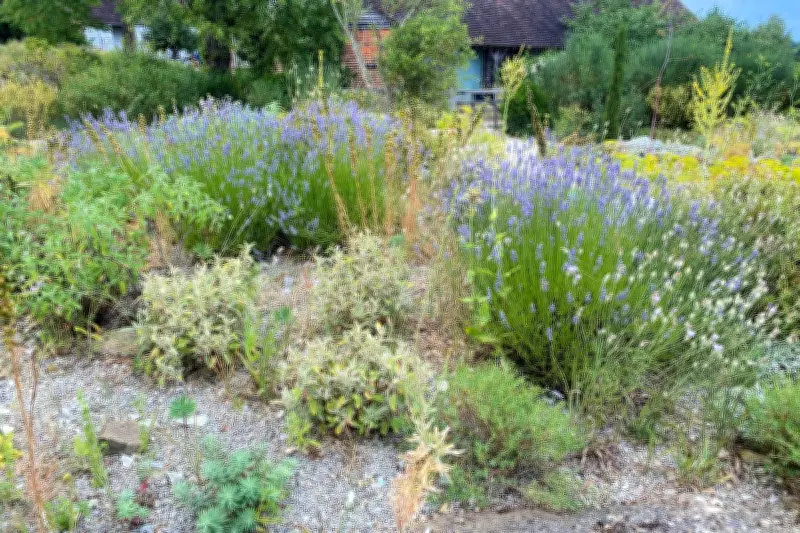
While organic mulches remain ideal for plants with high water and nutrient needs in non-fire zones, gravel serves as an exceptional substitute in at-risk areas. Its use around drought-tolerant, native plants elsewhere enhances drainage, suppresses weeds, and retains moisture without frequent replacement, making it a versatile choice for modern landscaping.

How to Create Your Own Gravel Garden
To implement a gravel garden effectively, follow these steps for optimal results. Instead of applying gravel around existing plants, start by preparing the bed thoroughly to ensure long-term success.
- Prepare the Bed: Remove all weeds and roots, and carefully dig up any existing plants, leaving trees undisturbed. Enrich the soil with 2 inches of compost or well-rotted manure, turning it in gently with a garden fork.
- Define the Area: Use metal, brick, stone, or paver edging tall enough to contain the gravel and prevent spillage.
- Apply Gravel: Lay 4 inches of your chosen aggregate over the soil. If trees are present, keep the gravel several inches away from their trunks to avoid damage.
- Avoid Landscape Fabric: Do not use landscape fabric beneath the gravel, as it can create heat pockets, restrict water and oxygen flow, trap carbon, and harm soil microbes and insects. It often fails to block weeds, leading to difficult removal and material degradation.
Selecting and Planting Drought-Tolerant Species
Choose drought-tolerant, sun-loving perennials native to your region, as they thrive in nutrient-poor soil and are suited to your horticultural zone. Opt for plants in 3½-4½-inch pots, which have ideal root sizes for this application. Before planting, scrape off the top soil layer to minimize weed seeds, and water each pot thoroughly.
Transport plants to the bed on trays to prevent soil from spilling onto the gravel, where weed seeds might take root. To plant, remove a small area of gravel equal to the container's width and 4 inches deep, place the moistened roots in the hole, and replace the gravel. Space plants according to their mature sizes to allow for growth.
Watering and Maintenance Tips
During the first season, water plants frequently and regularly, potentially daily or twice daily depending on climate, to keep the soil moist as roots establish. Weeds may appear initially; pull them immediately to prevent spread. Once established, these drought-tolerant natives will rarely need supplemental watering, fertilizer, or extensive weeding, reducing maintenance efforts.
This approach not only benefits your garden by creating a low-maintenance, resilient landscape but also supports environmental sustainability through water conservation and fire risk reduction. As gravel gardens continue to grow in popularity, they offer a practical win for homeowners and ecosystems alike.