As winter recedes and spring approaches, lawns across the country are awakening from their dormant state, often emerging weakened and infested with moss. This common problem leaves grass vulnerable, struggling to recover while moss aggressively competes for essential sunlight, space, and nutrients. However, a remarkably straightforward solution exists that can eliminate moss while simultaneously giving your lawn a vigorous boost, requiring minimal effort from gardeners.
The Power of Iron Sulphate for Lawn Revival
Matt Adams, a specialist from The Relentless Gardener, has highlighted iron sulphate as a highly effective treatment for tackling mossy lawns. He explained, "Iron sulphate is a widely utilised product on lawns. It is, of course, known for its strength in controlling or killing moss. That's not all, though, it can also help grass with photosynthesis, meaning it will help give it a nice green colour whilst adding some much-needed nutrients into the soil."
Iron sulphate is a mineral salt that, when mixed with water, essentially burns moss by drawing moisture from it and causing rapid dehydration. This process is particularly effective because moss is thin and lacks proper roots, making it susceptible to damage. Crucially, iron sulphate is perfectly safe for grass when applied in standard quantities, ensuring your lawn remains protected during treatment.

How Iron Sulphate Transforms Your Lawn
Grass relies heavily on iron to produce chlorophyll, the vital compound responsible for its rich green hue. Within just a few days of applying iron sulphate, lawns typically appear noticeably lusher and more vibrant. Chlorophyll enables plants to absorb sunlight for photosynthesis, meaning this treatment not only enhances colour but also provides a significant energy boost. This encourages thicker, healthier grass growth throughout the spring season, helping your lawn recover robustly from winter stresses.
Furthermore, iron sulphate helps prevent grass from turning yellow while maintaining overall lawn health, thereby reducing the likelihood of moss returning later in the year. This dual action makes it an invaluable tool for gardeners seeking to maintain pristine turf.
Applying Iron Sulphate Correctly for Optimal Results
It is important to understand that lawns frequently develop moss during winter due to soil becoming compacted and waterlogged from freezing conditions. To prevent moss from returning permanently, experts recommend aerating and scarifying your lawn beforehand to ensure proper soil drainage, creating an environment less hospitable to moss.
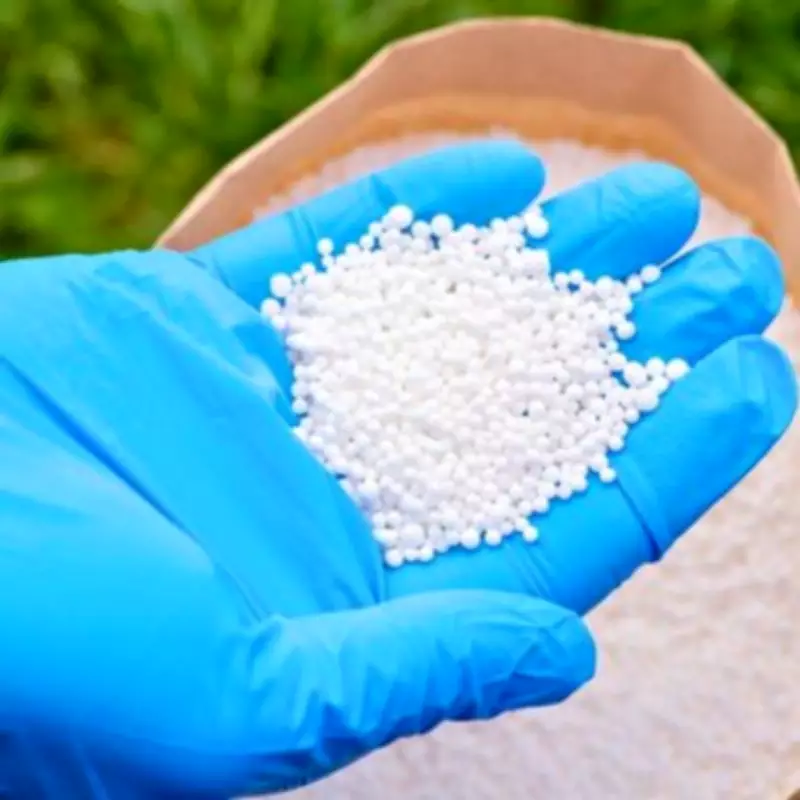
Iron sulphate is readily available at local garden centres, typically sold as lawn sand, fertiliser, or in water-soluble formulations. However, gardeners must exercise caution: never apply iron directly onto grass, as it is particularly potent and must always be diluted with water, sand, or fertiliser. Undiluted application can scorch both your lawn and the moss, causing unintended damage.
Generally, lawn sand containing iron sulphate is the preferred option in early spring to provide a nutritional boost, as some fertilisers can cause serious damage to turf when temperatures remain low. The ideal method involves spreading lawn sand after rainfall, allowing it to dissolve effortlessly into the soil. This approach encourages grass to turn a rich emerald green while effectively keeping moss at bay throughout the spring months.
Timing Is Crucial for Lawn Care Success
Early spring represents the peak growing time for moss, as it can outcompete fragile grass for resources. Taking proactive steps now, particularly in early March, ensures your lawn stays healthy and vibrant for the remainder of the year. By incorporating iron sulphate into your lawn care routine, you can address moss infestations promptly and support vigorous grass recovery, resulting in a lush, green outdoor space ready for spring enjoyment.