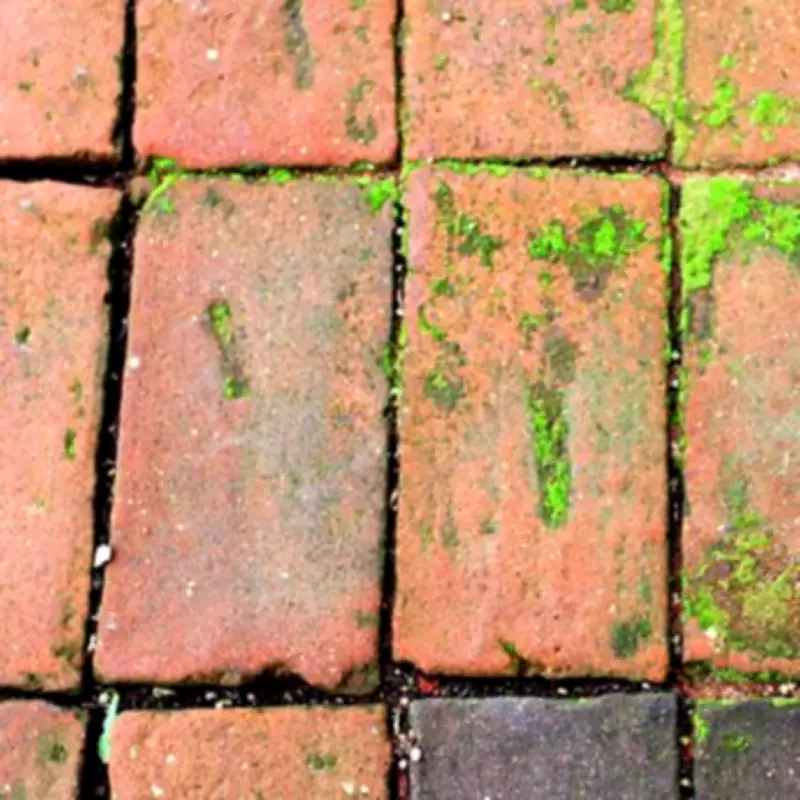
Algae growth on patios is a widespread nuisance caused by microscopic plant-like organisms that thrive in damp, shaded, and poorly ventilated areas. This typically appears as a green, slippery film on paving slabs, stone, or concrete surfaces, especially after the winter season. While generally harmless, it can leave outdoor spaces looking dirty, neglected, and discoloured, detracting from their aesthetic appeal.
Spring Cleaning for Patios
Maintaining an algae-free patio requires consistent upkeep, with spring offering the perfect window to address the issue proactively. Numerous removal techniques exist, including white vinegar and citrus-based approaches, but one method stands out for its effectiveness and eco-friendly nature.
Expert-Recommended Natural Formula
Paving specialists at the Reclaimed Brick Company have disclosed a trusted formula they have used throughout their careers. Described as the best natural method available, this solution involves creating a citrus vinegar blend. Although it takes a week to prepare, the results are worth the wait.

To make the citrus vinegar, simply collect citrus peels in a jar, submerge them in white vinegar, and allow the mixture to steep for seven days. Once ready, strain the liquid and dilute it with additional white vinegar before application.
The experts explained: The natural citrus oils help combat algae film and leave a fresh, pleasant aroma. The mild acidity effectively loosens grime without relying on harsh chemicals.
Application Process for Optimal Results
For best outcomes, follow these steps:
- Sweep the patio thoroughly to remove loose debris such as leaves, soil, and grit.
- Pre-wet the surface with warm water to help the diluted spray spread evenly.
- Test the solution on a small, inconspicuous area first to ensure compatibility.
- Apply the mixture using a spray bottle or watering can, working in manageable sections.
- Scrub with a stiff outdoor brush using short, firm strokes to agitate the algae.
- Allow five to ten minutes for the solution to penetrate the stains before rinsing thoroughly with clean water.
- Direct the dirty runoff away from flower beds and drains to prevent contamination.
Important Safety Precautions
The specialists issued a cautionary note: Do not mix vinegar with bleach, ammonia, or any other cleaning products. Avoid using strong acids on sensitive materials like limestone or very soft limestone; always conduct a preliminary test and keep the mixture mild.
Regular cleaning not only prevents algae, moss, and grime from accumulating but also reduces slipperiness and extends the lifespan of the paving. This natural approach offers a sustainable, efficient way to keep patios looking pristine throughout the year.