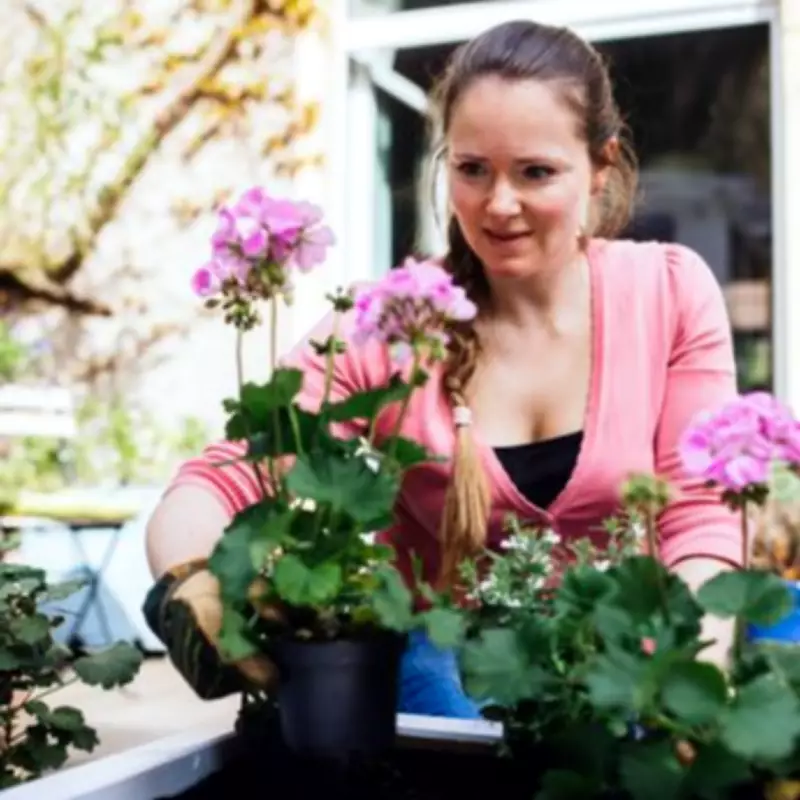
A prominent gardening expert has issued an urgent call to all homeowners with green thumbs, urging them to plant one specific tall flower in their garden borders before the month of March concludes. This strategic planting promises to inject vibrant colour into outdoor spaces while simultaneously attracting essential pollinators like bees.
The Perfect Plant for Height and Drama
With just over a week remaining in March, dedicated gardeners are being advised to act swiftly. The recommended flower is the echinacea, commonly known as the coneflower. This plant is celebrated for its ability to grow up to a metre in height and spread approximately 60 centimetres wide, making it an ideal anchor for the back of flowerbeds.
Gardener Ish, a well-known horticultural enthusiast, emphasised in a recent social media video that March presents a golden opportunity for planting echinaceas. He stated, "Today I'm going to be adding some height and drama into my borders with some echinaceas. Whether you've got them in full sun or partial shade, echinaceas will absolutely thrive."

Striking Colours and Pollinator Appeal
Echinaceas are available in striking colours such as pink and red, which can transform any garden into a visual spectacle. Beyond their aesthetic appeal, these flowers are exceptionally attractive to pollinators. Attracting bees is beneficial for overall garden health and is particularly advantageous for those cultivating fruit or vegetables, as these insects aid in pollination.
According to authoritative sources like Gardener's World, echinaceas should be sown between March and April and planted between May and June. They flower throughout the entire summer, from June until September, providing long-lasting colour.
Practical Planting Tips from an Expert
Gardener Ish shared detailed advice on planting echinaceas. He purchased his plants from Morrisons, where they are available as bare roots ready for planting, describing them as "budget-friendly" at just £2 for three. He explained the planting process: "They look like little tiny roots with a bit on top. You want to make sure that pointed bit is pointing up - that's the important part. Ideally, you want to plant these about four inches below the ground."
Interestingly, Ish opts to plant his echinaceas in containers rather than directly into the soil. This method offers better control over drainage. He then places the pots at the back of his border, allowing other plants to conceal them while creating a dramatic height difference.
Easy Maintenance and Growing Conditions
Echinaceas are renowned for being easy to grow. They tolerate most soil types, except very dry conditions, and their sturdy stems eliminate the need for staking despite their considerable height. Key growing guidelines include:
- Sunlight: They thrive in full sun, requiring at least six hours of direct sunlight daily.
- Soil: Well-drained soil is essential; they dislike soggy conditions.
- Watering: Regular watering during the first growing season establishes strong roots, after which they become drought-tolerant.
- Maintenance: Deadheading spent flowers encourages more blooms, and dividing clumps every three to four years prevents overcrowding.
These plants are relatively pest- and disease-resistant, requiring minimal fertiliser. If soil quality is poor, adding compost in the spring can be beneficial.
By following this expert advice and planting echinaceas before March ends, gardeners can ensure their borders are not only colourful and dynamic but also supportive of local ecosystems through enhanced pollinator attraction.