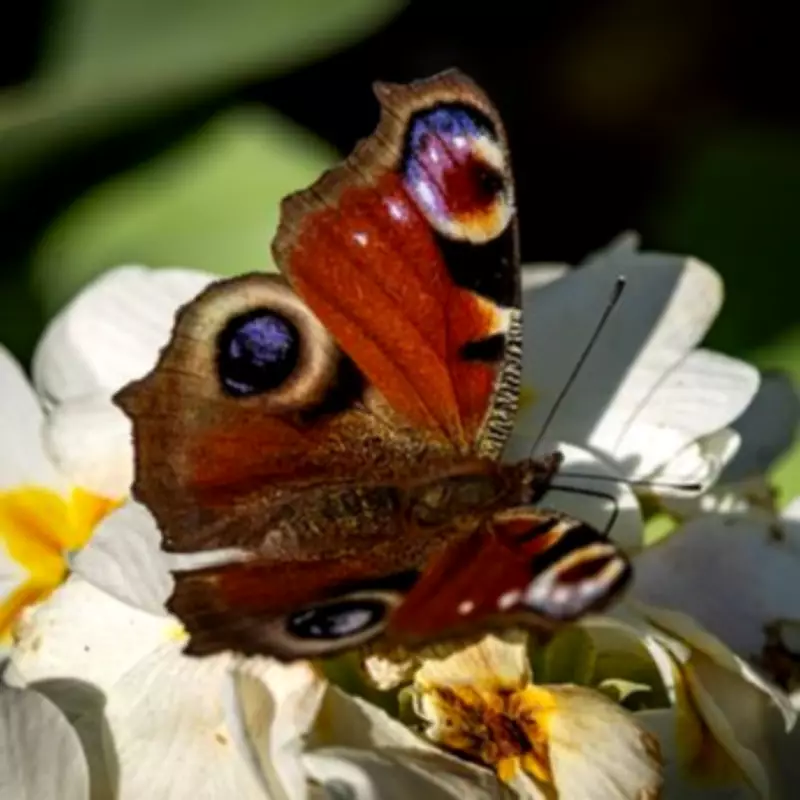
Gardening expert Amy Chapman, widely known online as 'In The Cottage Garden', has issued a compelling call to action this April, urging everyone to plant just one specific flower in their garden to provide a vital lifeline for struggling butterflies and bees. With over 522,000 followers on Instagram, Chapman emphasises that this simple act can make a significant difference to pollinator populations during the critical early spring period when natural food sources are scarce.
The Critical Role of Bees and Butterflies
While often overlooked or even viewed as pests, bees are indispensable to our global ecosystem and food security. They are responsible for pollinating approximately one-third of the food humans consume, directly supporting biodiversity and agricultural health. Butterflies also play a key role in pollination and serve as important indicators of environmental wellbeing. As spring arrives, these insects are emerging from hibernation, but they face a stark shortage of nectar and pollen-rich flowers to sustain them.
Why Primroses Are the Perfect Choice
In a detailed social media video, Amy Chapman provided a clear recommendation. "If you only plant one thing in the garden this month, it should be Primroses," she stated emphatically. These humble, cheerful flowers are an essential early spring nectar source, offering a critical food supply for insects including brimstone butterflies, small tortoiseshell butterflies, and bee flies.

Chapman further explained that by combining primroses with other supportive plants like sweet violets, heather, and pulmonaria, gardeners can create a flourishing mini-sanctuary for wildlife. "In the UK, gardens support over 50% of the country's butterflies, amphibians and reptiles! So it's crucial that we make these spaces as wildlife-friendly as possible," she noted, highlighting the outsized impact domestic gardens have on national biodiversity.
Folklore and Habitat Significance
Beyond their ecological utility, primroses carry a rich cultural history. According to traditional folklore, consuming a primrose was once believed to grant the ability to see fairies, while placing a bouquet on one's doorstep was thought to repel evil spirits and negative energy. Ecologically, they are considered an ancient woodland indicator plant, meaning their presence in the wild can signal a rare, valuable habitat. Fortunately, for gardeners, they are remarkably easy to cultivate at home.
"Primroses are widely available to buy and so easy to grow. So why not plant some in your garden, and you might even see some fairies," Chapman suggested with a touch of whimsy.
Practical Guide to Growing Primroses
For those inspired to act, here is a straightforward guide to successfully growing primroses:
- Planting Time: Early autumn or spring.
- Conditions: Plant in partial shade with moist, well-drained, humus-rich soil.
- Spacing: Position plants 10-30 cm apart.
- Location: They thrive in borders, under shrubs, or in containers, preferring dappled light and cooler conditions.
- Care: Water generously after planting and maintain consistently moist soil.
The Royal Horticultural Society (RHS) offers important cautions. Primroses struggle in highly chalky (alkaline) soil or ground that dries out easily. Amending the soil with organic matter can improve conditions. Additionally, they will fail to flower in heavy shade.
While primroses are perennial and will return each year, they typically produce their most vibrant and spectacular display in their first year. Therefore, for optimal visual impact and to ensure a robust nectar supply, consider replacing them annually.
By taking this simple step to plant primroses this month, gardeners can directly contribute to supporting essential pollinators, enhancing local biodiversity, and creating a more wildlife-friendly environment right outside their doors.