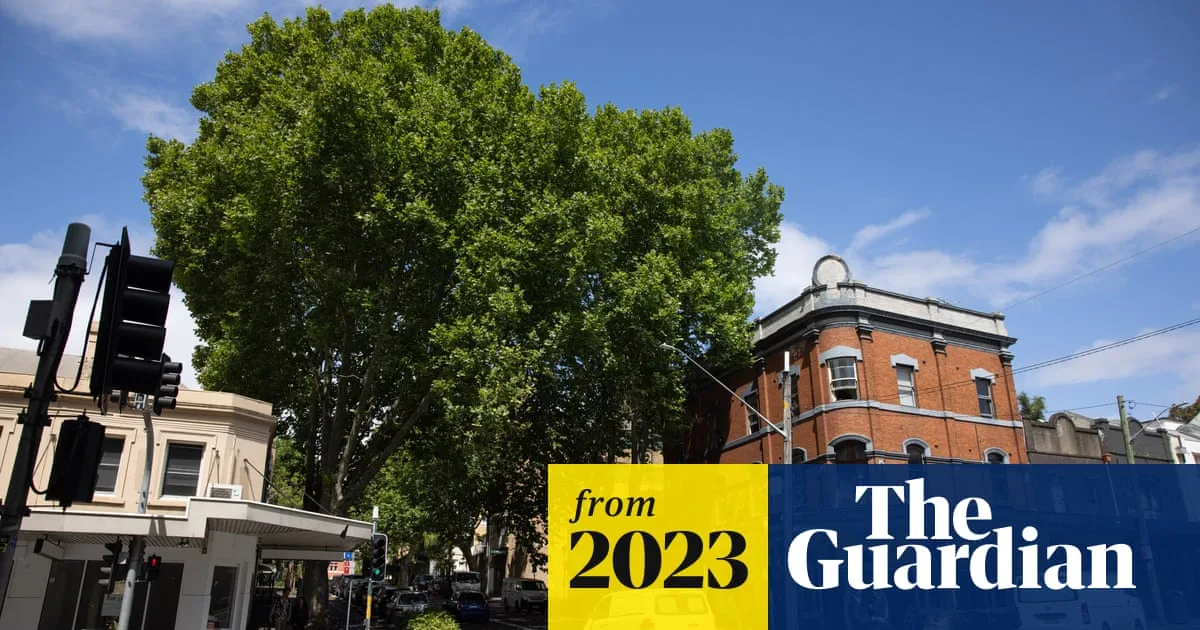
The City of Sydney has announced plans to gradually phase out plane trees across its streets, citing health concerns and the need to adapt to a changing climate. Plane trees, which make up nearly 10% of the city's street and park trees, have long faced criticism from asthma and hay fever sufferers due to fine spiky fibres released in spring that can irritate eyes, nose and throats.
While studies linking these fibres to asthma are limited, experts note they can cause throat irritation and laryngospasm even in non-allergic individuals. However, the primary driver for the phase-out is climate change. By 2050, Sydney's climate is projected to resemble that of Grafton, with hotter conditions and longer droughts.
Council urban forest manager Karen Sweeney said the city cannot wait until 2050 to act. “We need to start now to transition our forest to be able to thrive under the climate we are tracking towards,” she explained. The council has endorsed new plans to increase canopy cover for shade and cooling, with experts assessing block by block which species will be most resilient.

Under the policy, trees are removed only as a last resort. Plane trees will be gradually replaced as they reach the end of their life, mostly with native species like bloodwoods and tulipwoods, as well as introduced deciduous trees that allow winter light but are more heat- and drought-tolerant. In about 98% of locations, plane trees will be replaced, though they may remain in areas of high cultural significance or favourable microclimates.
John Siemon of the Royal Botanic Gardens Sydney noted plane trees were once valued for their resilience under concrete and their shady avenues, but said climate change requires revisiting past choices. The gradual transition will become more noticeable in coming years.