Safety Warnings Issued as Tokyo's Ageing Cherry Blossom Trees Collapse During Peak Viewing Season
The beloved cherry blossom season in Tokyo has been overshadowed by urgent safety concerns, as numerous historic Somei Yoshino trees, planted during Japan's post-war economic boom, are now succumbing to old age and deterioration. This alarming trend was starkly highlighted recently when two cherry trees collapsed in the capital, raising fears among officials and visitors alike.
Recent Incidents Highlight Growing Risks
On Thursday, two separate collapses occurred in Tokyo parks. At Kinuta Park, an 18-metre tall cherry tree with a 2.5-metre diameter, believed to be over 60 years old, fell and damaged a fence. Meanwhile, at the Chidorigafuchi greenway, another tree narrowly avoided tumbling into the Imperial Palace moat. Fortunately, no injuries were reported in these specific incidents, but they follow a March incident at Kinuta Park where an old cherry tree collapse injured a passerby.
According to Masakazu Noguchi, a Tokyo metropolitan official overseeing public parks, last year alone saw 85 trees fall in Tokyo parks, resulting in injuries to three people, with many of these being cherry trees. This data underscores the escalating danger posed by the ageing urban flora during the popular hanami, or cherry blossom viewing, season.

Causes of Deterioration and Expert Warnings
The primary causes for the deterioration of these iconic trees include ageing and internal fungus growth, exacerbated by environmental factors. Tree doctor Hiroyuki Wada explained that signs of risk include heavy tilting, flowering on lower trunks, and mushrooms growing at the base. He noted that risks increase when tree trunks retain water after rainfall.
"Many trees in our daily lives were planted soon after the war and are now 70-80 years old and getting weaker," Wada stated, adding that they are affected by extreme summer heat and prolonged dry seasons. "I hope people think about climate change through what's happening to the cherry blossom trees, which is very symbolic."
Official Responses and Public Concerns
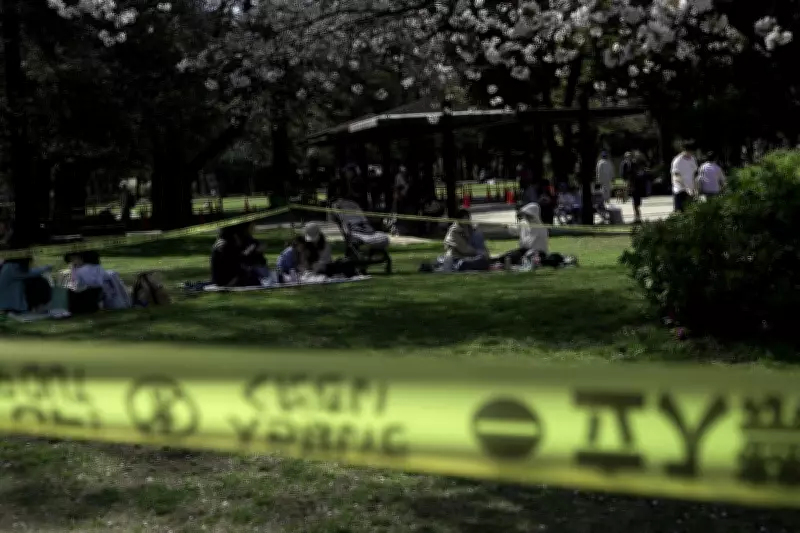
Following the March incidents, officials conducted health checks on trees in Tokyo's main parks ahead of the viewing season. At Kinuta Park, preliminary inspections of over 800 cherry trees led to the felling of some trees and the posting of warning signs. However, the tree that collapsed on Thursday was not marked with caution signs, highlighting gaps in safety measures.
"At the moment, our measures are mostly temporary, not fundamental steps such as replanting," Noguchi admitted. "We call on visitors to use caution because we cannot say it's safe even after inspection."
Tokyo assembly member Yutaka Kazama expressed concern on social media last month, noting that "cherry blossom trees with their roots partially exposed or obviously rotten seem dangerous," and called for firm safety measures without hastily resorting to tree felling.
At Inokashira Park, one of Tokyo's most popular viewing spots, dozens of ageing cherry trees have been felled in recent years as part of a long-term replanting plan. Some social media users lamented the empty spaces around a pond that was once seamlessly encircled by pink blossoms.
Public Reaction and Cultural Significance
Despite the safety worries, many cherry blossom viewers are reluctant to miss the short-lived spectacle. Visitor Lisa Suzuki said, "I'm a bit worried, but I guess it's OK if we stay away from tree trunks." Another visitor, Akira Kamiyashiki, brought his daughter despite concerns, noting that rain was expected over the weekend. "Seeing the keep-off signs, I now feel safe," he remarked.
Cherry blossoms, or "sakura," hold deep cultural significance in Japan as the favorite flower, typically peaking in late March to early April, coinciding with the start of the new school and business year. Many Japanese enjoy traditions like walking or picnicking under the trees, making the safety issues particularly poignant during this cherished season.