Lake Mead Water Levels Plummet Six Feet in a Month, Nearing Record Low
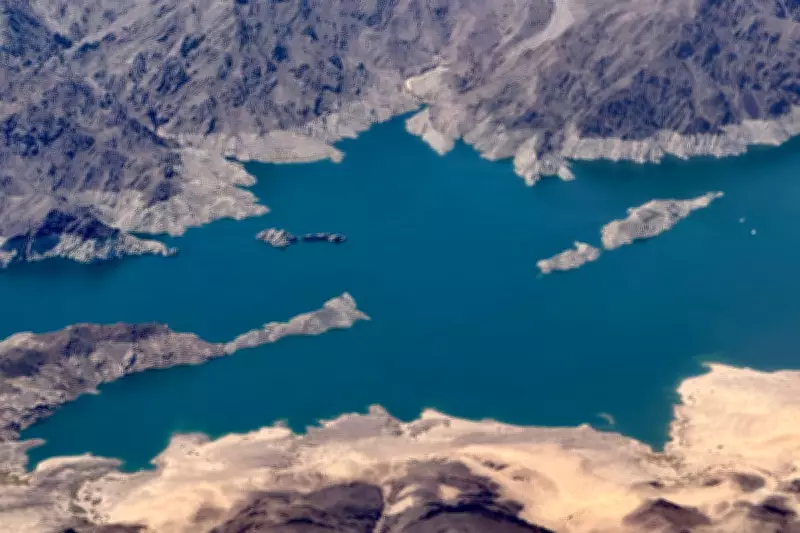
America's largest reservoir, Lake Mead, has reportedly dropped approximately six feet since March 1, bringing it perilously close to its all-time low water level. Located on the Nevada-Arizona border, the reservoir now sits just 20 feet above its record low, according to recent reports from FOX 5 Vegas.
Shocking Decline and Capacity Concerns
Boaters and officials have expressed alarm at the rapid decline. Ron Klug, a local boater, told FOX 5 he was "shocked" to see how low the water had become. Bronson Mack, an outreach manager for the Southern Nevada Water Authority, revealed that Lake Mead is currently at about 35 percent capacity. He attributed the drop to very low snowpack this past winter, which has led to dry conditions, as most of the reservoir's water originates from snowmelt.
Despite the concerning figures, Mack assured the public that Southern Nevada's water supply remains secure. "We are drawing water from the deepest part of the lake. Our pumping station can pump to the deepest elevations," he stated.

Projections Point to Further Drops
Federal projections released last month indicate that Lake Mead could reach record-low water levels by November 2027. This would see the reservoir drop to approximately 1,032 feet, which is eight feet lower than the previous record set in 2022. Mack warned that the lake could decline another 16 feet by that time, exacerbating the situation.
Rising Temperatures and Treatment Challenges
Compounding the issue, drought conditions and the ongoing climate crisis have caused Lake Mead's water temperatures to rise. This increase poses significant problems for water treatment operations. Todd Tietjen, the regional water quality manager for the Southern Nevada Water Authority, explained, "We really rely on the cold water being present for our treatment process. Our treatment process was designed around cooler, colder waters. Our buildings on site are cooled by this water."
Impact on Hoover Dam and Algal Blooms
The rising temperatures also threaten the Hoover Dam, as most of its turbines are cooled by Lake Mead water. Tietjen noted, "They run into problems if they have hot water, and if we lose power at Glen Canyon and Hoover Dam, that's a big problem for the West." Additionally, officials issued a warning last month after a harmful algal bloom was reported in Government Wash, part of the Lake Mead National Recreation Area.
The National Park Service stated that the algal bloom "may contain toxins and is unsafe for swimming or contact." They advised that children and pets are at higher risk and should be kept away from the water, with medical or veterinary care sought if symptoms occur after exposure.
This combination of plummeting water levels, rising temperatures, and environmental hazards underscores the severe challenges facing Lake Mead amid persistent drought and climate-related pressures.