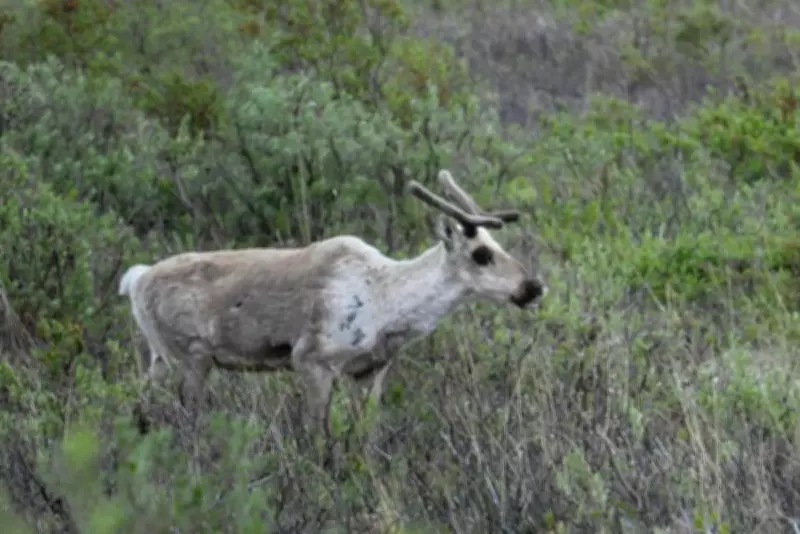
In a remarkable discovery that has stunned wildlife researchers, female caribou have been observed gnawing on their own antlers to obtain essential nutrients after completing their gruelling 1,500-mile round-trip migration across the Arctic tundra. The study, published in the journal Ecology and Evolution, reveals that caribou mothers rely on their calcium-rich antlers as a critical "mineral reservoir" during a period of extreme nutritional need.
Evolutionary Purpose of Female Antlers Uncovered
Caribou, also known as reindeer, are unique among deer species as both males and females grow antlers. While previous scientific theories suggested female antlers might serve defensive purposes against predators or establish dominance at feeding sites, this new research provides compelling evidence for their true evolutionary function.
The study documented antlers shed by caribou in the Arctic tundra that had remained undisturbed for decades. Researchers discovered these antlers offered a readily available source of vital minerals including calcium and phosphorus precisely when foraging caribou needed them most during their migration cycle.

Surprising Findings from Antler Analysis
Through meticulous examination of 1,567 antlers collected from Arctic regions, researchers made a startling discovery. Approximately 86 percent showed clear signs of gnawing, with analysis of tooth marks revealing caribou themselves as the primary culprits rather than rodents as previously assumed.
"We knew that animals gnawed on these antlers, but everyone assumed they were mostly rodents. Now we know it's really caribou," explained study author Joshua Miller, a biologist from the University of Cincinnati. "My jaw dropped when our results started to become clear."
Nutritional Timing and Ecological Impact
The timing of antler shedding proves crucial to this survival strategy. Female caribou typically shed their antlers within days of giving birth, making these nutrient-rich structures available as a nutritional supplement when they return to their calving grounds.
"These antlers last for centuries or longer in the Arctic and they are a source of nutrients that get revisited again and again," Dr. Miller emphasized.
The ecological implications extend beyond direct consumption. As caribou gnaw on antlers, minerals gradually return to the soil, supporting the growth of grasses and lichens that form the caribou's primary diet. This creates a sustainable nutrient cycle within their harsh Arctic environment.
Vital Minerals for Motherhood
Phosphorus emerges as particularly crucial in this survival strategy. "Phosphorus in particular is very important for new mothers trying to produce high-quality milk for feeding their young," Dr. Miller noted. "Caribou bring literally tons of phosphorus to their calving grounds every year through this process."
The research team described caribou as effectively engineering their habitat by seeding the landscape with essential minerals that prove difficult to obtain in sufficient quantities through normal foraging in the cold, dry Arctic climate.
This groundbreaking study not only reveals a previously unknown survival adaptation but also highlights the intricate ecological relationships that enable caribou populations to thrive in one of Earth's most challenging environments.