








Entertainment

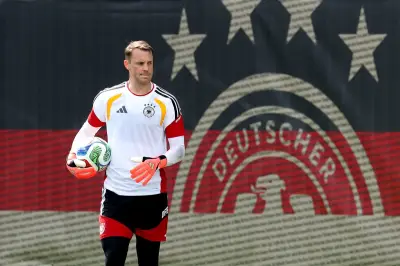
FIFA Statement After Flight Chaos, ITV Viewers Furious, UEFA Chief Slammed
FIFA releases statement after Uruguay's flight delay; ITV viewers complain about poor picture quality; UEFA president criticized by 13 World Cup nations.





Business
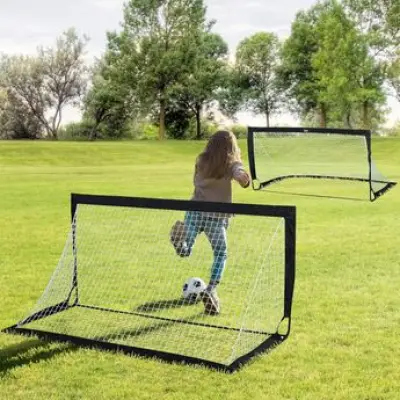
Garden Football Nets Kids Love on Sale Ahead of England's World Cup Match
Get the HOMCOM Football Goal Nets at Yimbly with 10% off using code SPRING10. Perfect for garden fun with kids this summer. England's World Cup match starts soon.



Crime

Russia Sets Christian Shrine Ablaze in Deliberate Ukraine Attack Killing Five
A Russian missile and drone attack on Kyiv set the Kyiv-Pechersk Lavra ablaze, killing five and wounding 20. The strike is condemned as deliberate targeting of a Christian shrine.



Sports

Matheus Cunha Must Prove He Can Be Brazil's Solution After Igor Thiago Fails
Matheus Cunha came off the bench for Brazil in their World Cup opener, replacing Igor Thiago who struggled. Cunha must now prove he can be the starting striker after Thiago's failure.






Politics





Health
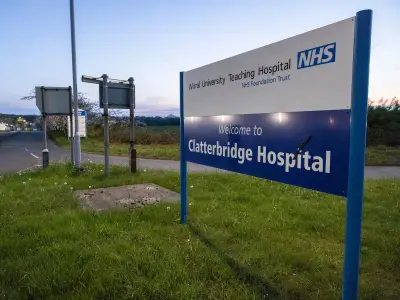
Cancer Experts Share Prevention Advice for Merseyside
Merseyside has high cancer rates, but experts offer advice on reducing risk through exercise, mental health, HPV vaccine, and awareness of symptoms for early detection.
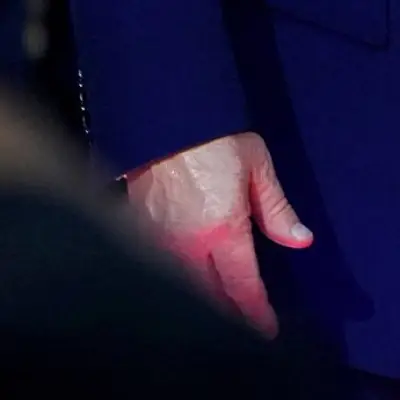
Trump's Hand Discoloration Raises Health Concerns at UFC Event
Donald Trump's discolored hand at the UFC Freedom 250 event sparked online health concerns, with social media users speculating about makeup or medical issues.
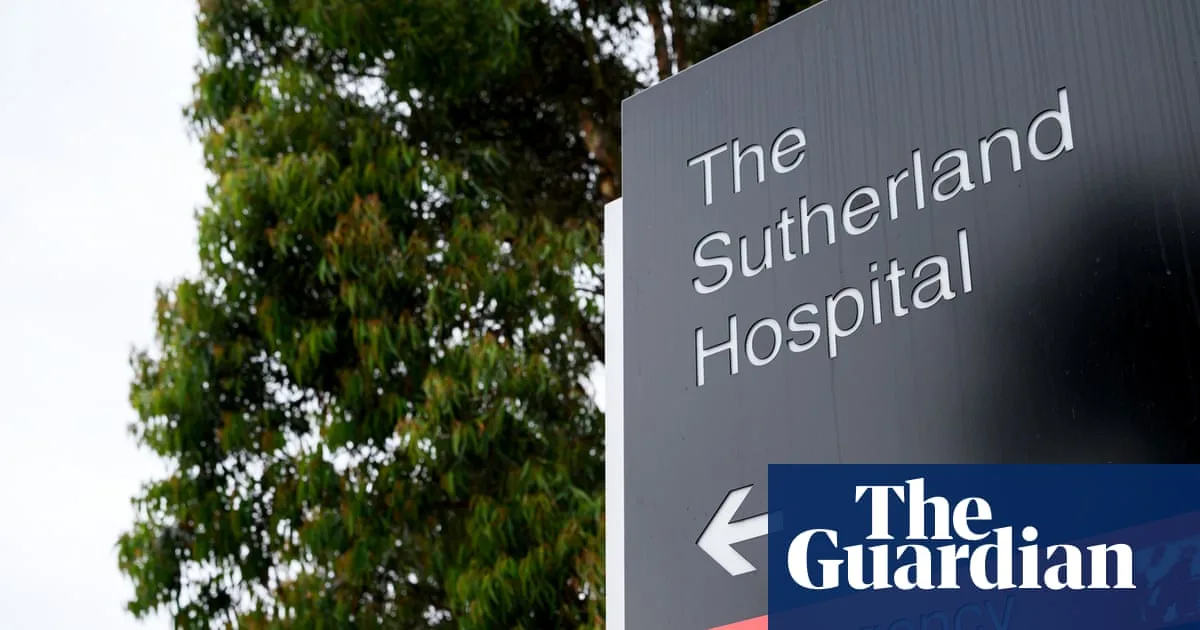
Hospital Gas Failure Investigated After Patient Death
Police investigate death of 72-year-old man at Sutherland Hospital after alleged gas sabotage; woman charged, denies involvement.

How I Cut My Screen Time by Hours a Day and Finally Broke My Phone Addiction
A writer shares her journey to break smartphone addiction, cutting screen time to two hours daily with tips from a 30-day plan.
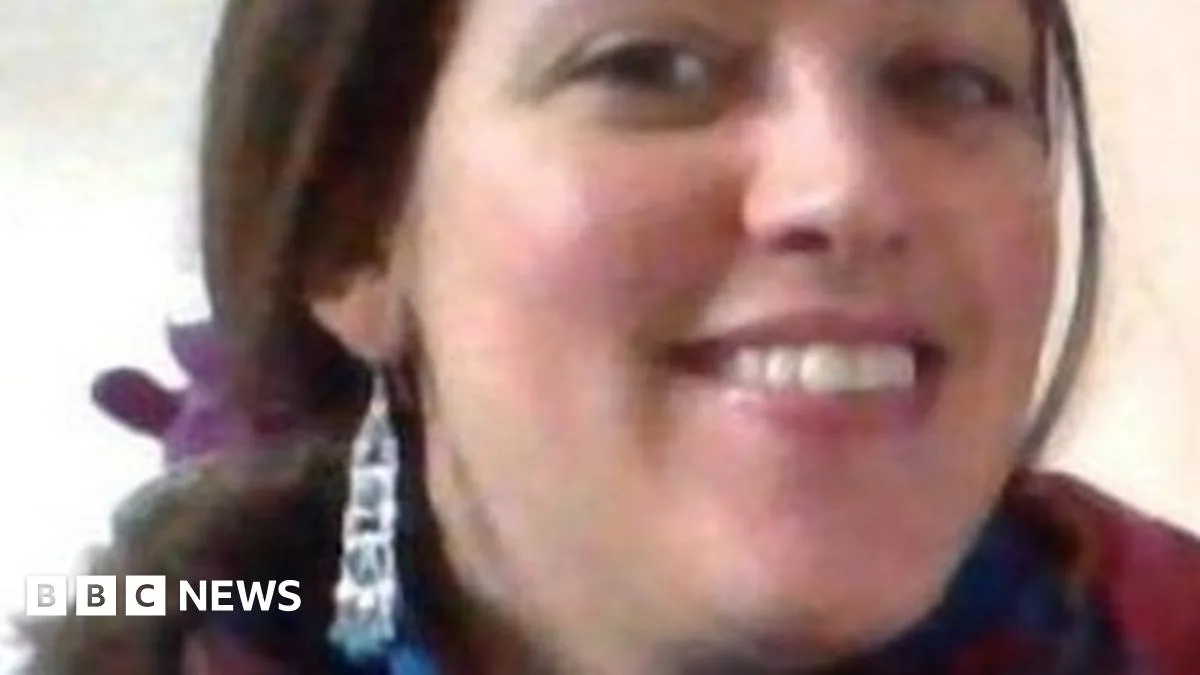
Urgent Search for Missing Bristol Mother and Newborn Baby
Police urgently search for Charlotte Bevan, 30, who disappeared from St Michael's Hospital in Bristol with her four-day-old baby, Zaani Tiana.
British History Quiz: From 1066 to the Modern Age
Journey through British history with ten questions on kings and queens, battles, revolutions and landmark events. From the Norman Conquest to the World Wars, test your knowledge across the centuries. How much do you remember?
