Eight Essential Steps to Protect and Conserve Britain's Bat Populations
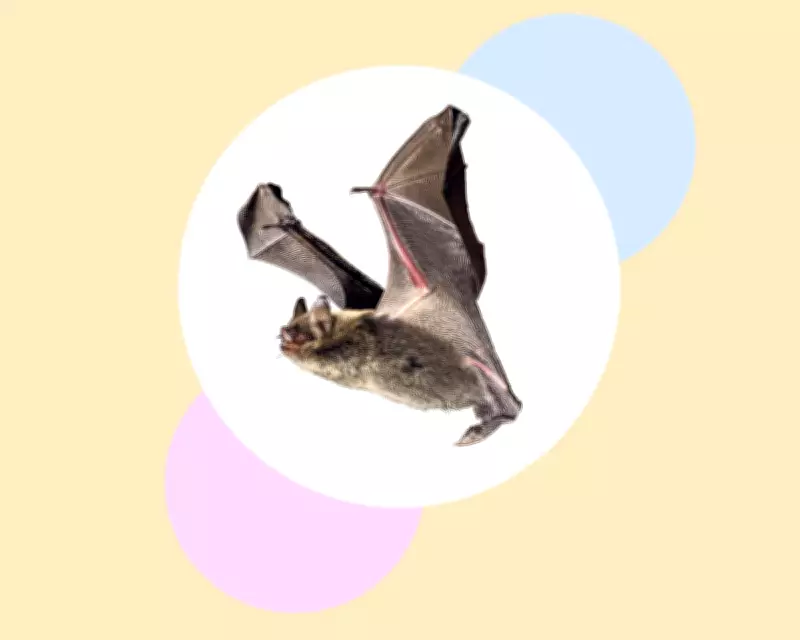
Many people hold negative perceptions of bats, but these creatures are truly remarkable. According to a recent survey by the Bat Conservation Trust, 46% of individuals expressed unfavourable feelings towards bats. However, experts like bat carer Liz Vinson describe them as "little furry humans with huge jazz hands," highlighting their unique personalities. Shirley Thompson, the BCT's honorary education officer, has advocated for bats since the 1980s, stating, "I still think they're magic. The more you find out about them, the more you realise what amazing creatures they are." Dr Joe Nuñez-Miño of the BCT adds that bats possess incredible physiology, including remarkable healing abilities and a robust immune system. They are also surprisingly long-lived, with one Brandt's bat recorded alive 41 years after being ringed. Contrary to popular belief, bats are not blind; they use echolocation for hunting in the dark, and Vinson reassures that they do not get stuck in human hair.
Why Bat Conservation is Crucial in the UK
Among the 11 bat species with reliable records in the UK, five are increasing, such as the common pipistrelle and soprano pipistrelle, while six others appear stable. This seems positive, but population monitoring only began in 1999, and there is significant regional variation in common pipistrelle numbers. Over a longer period, genetic research indicates that UK barbastelle bat populations have declined by 99% over approximately 500 years, a trend likely affecting other species. Dr Nuñez-Miño notes, "Although we don't have the data to say it with scientific rigour, we are pretty confident that pipistrelles have declined massively," attributing this primarily to habitat loss and insect decline.
Practical Ways to Support Bat Conservation
Reduce Artificial Lighting: Bats prefer darkness, and artificial light can effectively cause habitat loss. Dr Nuñez-Miño explains that even common pipistrelles are less light-tolerant than previously thought. To help, use downward-facing, low-intensity lighting only when necessary, such as with motion-sensitive lights, and minimise brightness. Detailed guidance is available on the BCT website.

Manage Cat Predation: Cats are significant predators, with two-thirds of wing tears on injured bats in the UK attributed to them. Dr Nuñez-Miño advises keeping cats indoors at dusk and dawn during summer months, especially May to July, when pregnant female bats are most vulnerable. Female bats carry a single baby, which can weigh up to a third of their body weight, making flight more challenging.
Create Insect-Friendly Gardens: Since all UK bat species eat insects, attracting bugs to your garden is essential. Plant flowers with long flowering seasons to provide food when bats emerge from hibernation and before they enter it. Diverse plants, such as climbers, hedges, trees, and shrubs, support insect populations. Thompson recommends open, daisy-style flowers and umbellifers for short-tongued insects. Even small spaces can help with compost heaps, water features like tub ponds, or bug hotels, as detailed in BCT's "Stars of the Night" leaflet.
Assist Grounded Bats: If you find a bat on the ground, it likely needs help, as injuries from cat attacks can be fatal. Never touch a bat with bare hands to avoid damage or rabies risk. Use an old tea towel to scoop it into a lidded box with air holes and a small water container. Contact the National Bat Helpline or search online for local bat carers.
Install Bat Boxes: Provide roosting options by buying or building bat boxes, such as the "Kent" style recommended for UK bats. Ensure they have a rough surface, a narrow entrance slit (15-20mm), and are made from untreated wood. Place them at least three metres high, facing south-east, near insect-foraging areas and away from light sources. Multiple boxes offer better options for bats.
Advocate for Bat Habitats: If local developments threaten bat habitats, use BCT resources to monitor and intervene in planning processes, ensuring bats are protected.

Participate in Surveys: Join the National Bat Monitoring Programme's Sunset Survey by recording bat sightings and sounds at dusk without special equipment. For more advanced involvement, volunteer for the Night Watch Survey using an AudioMoth device to capture ultrasonic bat evidence and receive personalised reports.
Promote Bat Awareness: Regardless of personal views, learning about bats and sharing knowledge can foster appreciation. Attend bat walks, engage with local bat groups, and educate others, especially children, who often become enthusiastic ambassadors without preconceptions.