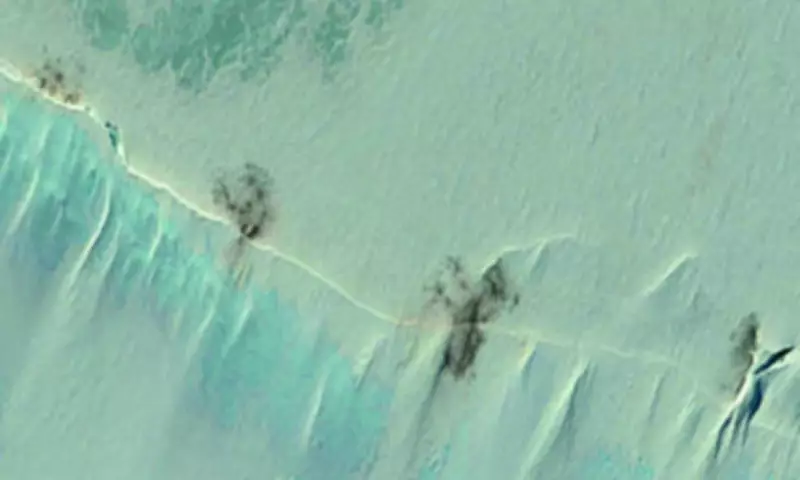
Satellite Images Expose Emperor Penguins' Perilous Moulting Crisis
Emperor penguins, the majestic icons of Antarctica, are now on a direct pathway towards extinction, according to alarming new research. For the first time, satellite imagery has captured the elusive moulting colonies where these flightless birds undergo their annual feather replacement, revealing a desperate situation exacerbated by climate change.
The Dangerous Moulting Process
Moulting represents an exceptionally vulnerable period for emperor penguins. During this three to four week phase, they cannot enter the water to feed as they replace their worn feathers with new waterproof plumage. The British Antarctic Survey explains that penguins must fatten up beforehand, gaining an astonishing 50–70% in body weight, to survive this fasting period.
Dr Peter Fretwell, lead author of the study, warned of potentially 'catastrophic' consequences for the species. 'This almost certainly brings the extinction horizon closer, maybe by several decades,' he told the Daily Mail, though noting that further analysis is needed to calculate the precise impact.

Shrinking Sea Ice Forces Dangerous Crowding
The satellite images reveal a troubling pattern: shrinking sea ice is compelling penguins into smaller, increasingly congested groups. Each year, emperor penguins from the Ross Sea migrate up to 620 miles to Marie Byrd Land in search of stable sea ice for moulting. However, the available space has dramatically diminished.
Between 2022 and 2024, Antarctic sea ice coverage in the study area plummeted from a 50-year average of 193,000 square miles to just 38,600 square miles. This left merely 770 square miles of fast sea ice anchored to the coast to accommodate 40% of the world's emperor penguin population.
Colony Numbers Plummet
The research documents a startling decline in moulting colonies. Before 2022, scientists identified hundreds of penguin groups along the Marie Byrd Land coastline. By 2022, that number had collapsed to just 25 colonies, with surviving birds forced to cluster together on dwindling ice platforms.
'It's possible that huge numbers of penguins perished after entering the Southern Ocean before they had replaced their waterproof feathers,' Dr Fretwell stated. 'If this has happened, the situation for emperors as a species is even worse than we thought.'
Why This Matters for Emperor Penguin Survival
Several factors make this crisis particularly dire:
- Slow breeding cycle: Emperor penguins don't mate until age three to six and can live up to 20 years, making population recovery extremely slow
- Premature ice breakup: If weakened sea ice fractures early, thousands of unprepared birds still moulting could face disaster
- Limited alternatives: While penguins may seek new moulting sites, Dr Fretwell notes that 'other sites are rare and the sea ice is less stable'
Looking Ahead with Trepidation
In the coming weeks, a separate study is expected to analyse penguin populations in the Ross Sea, potentially revealing how many adult birds have been killed by sea ice breakup during moulting. Antarctic scientists are 'waiting in trepidation' for these findings, according to Dr Fretwell.
The emperor penguin's relationship with sea ice remains fragile—too little ice reduces breeding sites and prey availability, while too much ice necessitates longer hunting trips that prevent adults from feeding chicks frequently. This new research underscores how climate change is tipping that delicate balance toward catastrophe for one of Antarctica's most iconic species.