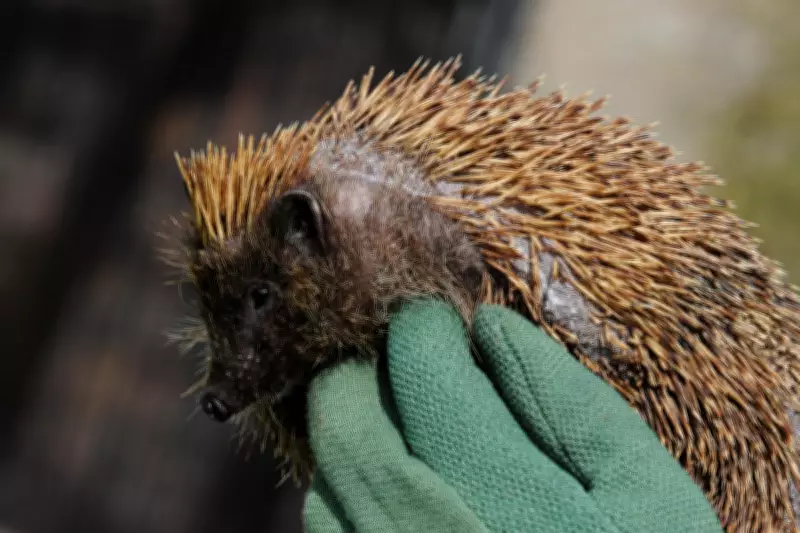
Wildlife Experts Issue Spring Warning: Observe Hedgehogs from a Distance
With warmer weather spreading across Britain, hedgehogs are beginning to stir from their winter hibernation, prompting urgent advice from wildlife conservationists. The public is being urged to admire these spiky garden visitors from afar and resist the temptation to handle them.
Variable Emergence Patterns in Early Spring
Helen Baczkowska, Conservation Research and Evidence Manager at Norfolk Wildlife Trusts, explains the unpredictable nature of hedgehog activity during this transitional period. "It's pretty warm at the minute and they might come out, toddle around for a few days and then, if there's a really cold snap, go back to sleep for a few days," she notes. "This time of year can be variable—they're not entering deep hibernation again, but their activity fluctuates with temperature changes."
Critical Advice: When to Intervene and When to Step Back
Baczkowska offers clear guidance for encountering hedgehogs in gardens:

- Never handle hedgehogs unless they are obviously injured or trapped
- Avoid picking them up simply because you can—this causes significant stress
- Do not encourage them into houses
- Remember that hedgehogs are wild animals that prefer minimal human interaction
"They are much happier left to live their natural lives and are very good at finding what they need, as long as we don't mess about with them," Baczkowska emphasizes. "Hedgehogs don't really like people. If you pick them up they can get stressed, and handling can disrupt their natural waking process."
Responsible Feeding Practices for Garden Wildlife
While supplemental feeding can be beneficial, experts stress that creating natural foraging habitats is more important. The British Hedgehog Preservation Society recommends:
- Using high-quality meaty hedgehog food or meaty cat/dog food (with meat as the first ingredient)
- Setting up multiple feeding stations to reduce competition between hedgehogs
- Scattering small amounts of food in grass or undergrowth to mimic natural foraging
- Placing food in quiet, undisturbed areas, potentially using cat-proof containers
Baczkowska adds crucial warnings: "Don't give them bread or milk, like our grandparents used to, because it has nothing nutritious in it for them and they're not evolved to drink milk. Only offer fresh water and keep all feeding equipment clean to prevent disease transmission."
Creating Hedgehog-Friendly Garden Environments
Beyond feeding, several practices can make gardens safer and more welcoming for hedgehogs:
- Avoid pesticides and slug pellets: Find natural alternatives to protect plants
- Delay spring cleaning: Leave piles of leaves and grass cuttings that might shelter hedgehogs
- Remove hazards: Clear old gardening string, plastic ties, and ground-level netting that can entangle hedgehogs
- Celebrate garden insects: These provide natural food sources for hedgehogs
Emergency Procedures for Injured Hedgehogs
If you encounter a hedgehog that appears injured or in distress:
- Use gardening gloves or a folded towel to gently collect the animal
- Place it in a high-sided box with an old towel or fleece in the bottom
- Create gentle warmth using a hot water bottle wrapped in a towel, ensuring the hedgehog can move away if too warm
- Contact the RSPCA, a local wildlife sanctuary, or consult the British Hedgehog Preservation Society for rescue information
Conservation Efforts and Public Engagement
The Wildlife Trusts' Hedgehog Walk initiative, running from March 30 to April 30, encourages families, schools, and community groups to travel 3km—the distance a hedgehog typically wanders in one night—to raise funds for nature conservation. This event highlights the importance of protecting these increasingly vulnerable mammals.

Baczkowska concludes with a reminder about hedgehog behavior: "When I've had hedgehogs in rescue, they don't become tame. They skulk at the back of their cage and hide. You can't make a pet of them and I'd absolutely encourage people not to try. At this time of year they can be a little bit slow coming out of hibernation so they might not look quite right, but they are probably just warming up and getting themselves going."