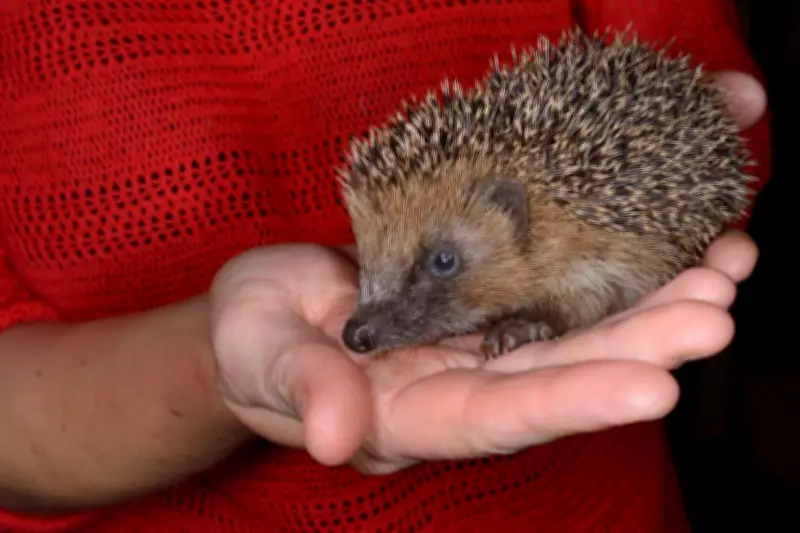
Why You Shouldn't Pick Up Hedgehogs Unless They Are Injured
As hedgehogs begin to awaken from their winter slumber, you might spot them foraging in gardens for food. However, experts strongly recommend keeping a respectful distance and avoiding any attempts to pick them up. Helen Baczkowska, conservation research and evidence manager at Norfolk Wildlife Trusts, emphasises that these spiky mammals are best left undisturbed to live their natural lives.
Understanding Hedgehog Behaviour in Spring
Hedgehogs typically emerge from hibernation in mid-March and April, but this period can be variable due to weather fluctuations. Baczkowska explains, "It's pretty warm at the minute and they might come out, toddle around for a few days and then, if there's a really cold snap, go back to sleep for a few days, not into a deep hibernation." This means they may appear slow or disoriented as they warm up, but this is usually normal behaviour.
Key Advice from Conservationists
Baczkowska offers clear guidance on interacting with hedgehogs:

- Do not touch hedgehogs unless they are clearly injured or trapped. Handling them can cause significant stress, frighten them away, and disrupt their natural routines.
- Avoid bringing them indoors or attempting to tame them. Hedgehogs do not enjoy human interaction and will not become pets; they prefer to skulk and hide when in captivity.
- Focus on creating wild spaces in gardens with plenty of invertebrates, which are more beneficial than direct feeding.
Feeding Hedgehogs Responsibly
If you choose to supplement their diet, the British Hedgehog Preservation Society recommends using high-quality meaty hedgehog food, meaty cat or dog food (with meat as the first ingredient), or dry cat biscuits. To reduce conflicts, set up multiple feeding stations or scatter small amounts of food in grass or undergrowth. Always provide fresh water and avoid bread or milk, as these lack nutrition and can harm hedgehogs.
Garden Safety and Maintenance Tips
To protect hedgehogs in your garden:
- Avoid pesticides and slug pellets, opting for natural alternatives to safeguard plants and insects that hedgehogs eat.
- Delay spring cleaning, especially if there are piles of leaves or grass cuttings where hedgehogs might be hiding.
- Remove hazards like gardening string, plastic ties, and netting at ground level to prevent entanglement.
What to Do If You Find an Injured Hedgehog
If you encounter an injured hedgehog, use gardening gloves or a folded towel to gently place it in a high-sided box with a towel or fleece for hiding. Provide gentle warmth with a wrapped hot water bottle, ensuring the hedgehog can move away if too hot. Contact the RSPCA or a local sanctuary for assistance, or visit the British Hedgehog Preservation Society website for more information.
Supporting Hedgehog Conservation
The Wildlife Trusts' Hedgehog Walk, running from March 30 to April 30, encourages participation to raise funds for nature by walking, wheeling, or rolling 3km—the distance a hedgehog travels in a single night. This initiative highlights the importance of community efforts in preserving these beloved creatures.