Killer Seals Target Dolphins in British Waters, Sparking Safety Concerns
Marine wildlife agencies across the United Kingdom have reported a disturbing increase in grey seal attacks on dolphins and porpoises, with several incidents captured on camera. This aggressive predatory behaviour has raised significant fears that the seals could soon turn their attention to human swimmers in coastal areas.
Horrifying Attacks Documented
Shocking images have emerged showing a large grey seal gripping a common dolphin in its teeth in the Irish Sea off the Dublin coast in January. Dave O'Connor from Wolfhound Adventure Tours and the Irish Whale Dolphin Group described witnessing "vigorous splashing" while watching for dolphins, only to realise a seal had attacked the marine mammal.
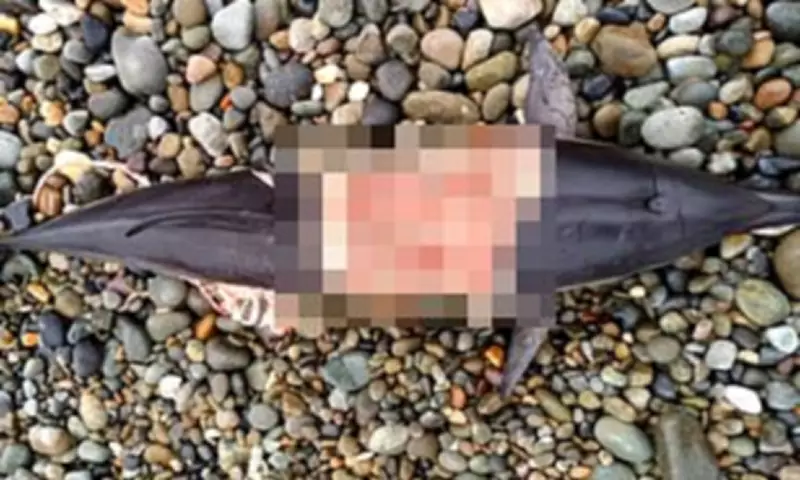
Meanwhile, the first suspected case of a grey seal killing a dolphin was recorded in Wales last month. Experts from Marine Environmental Monitoring examined a 6ft (1.84m) long adult female dolphin that had suffered distinctive "corkscrew" injuries consistent with grey seal bite marks.

Multiple Incidents Across UK Waters
The gruesome incidents extend beyond Wales and Ireland, with two additional suspected attacks reported in Devon. These coordinated attacks have prompted serious concerns about public safety, particularly for swimmers and water sports enthusiasts who frequent British coastal areas.
Cliff Benson, founder of Sea Trust Wales, provided a chilling warning to The Telegraph: "Half the people I know who work with seals have got bits of fingers missing. If you do get bitten, the bacteria on their teeth are so bad it usually means amputation rather than just sticking a bandage on."
Scientific Evidence of Changing Behaviour
Dr Izzy Langley of the Sea Mammal Research Unit at the University of St Andrews explained there is growing evidence that grey seals prey on a wider range of marine mammals than previously documented. "We already knew about grey seals killing other seals, including harbour seals," she told the BBC. "But now there is evidence from both direct observations and strandings data that it also occurs between grey seals and harbour porpoises, and common dolphins."
Researchers believe this unusual predatory behaviour appears limited to certain individuals rather than being widespread across the estimated 120,000 grey seals roaming British coastlines. The attacks may involve ambush tactics from below, catching dolphins unaware of the threat.
Potential for Learned Behaviour
So far, 20 individual seals have been identified across the British Isles as responsible for these attacks, distinguished by unique facial scarring. Experts suspect these predators may be learning from one another, potentially teaching hunting techniques to other seals.
Mat Westfield, coordinator at Marine Environmental Monitoring, expressed concern about this possibility: "I suspect it will be taught. I think it will be a slow process, but we will see more and more of it."
Historical Precedent and Health Risks
Last year, Scottish scientists discovered two beached porpoises that had suffered slow, agonising deaths caused by infections from seal bites. Those who handle wounded marine creatures also face serious health risks, including a condition called "seal finger" that can lead to sepsis if left untreated.
The combination of aggressive predatory behaviour, potential for learned hunting techniques, and serious health risks from seal bites has created a complex marine safety challenge for UK coastal communities and wildlife authorities.