Magpie Nest Building: A Study in Persistence and Confusion
In the quiet corners of the countryside, the magpie's nest-building process unfolds as a fascinating display of avian determination and occasional disarray. These intelligent birds, known for their striking black and white plumage, embark on a construction project that is both methodical and haphazard, offering a unique glimpse into their natural behaviors.
The Chaotic Construction Process
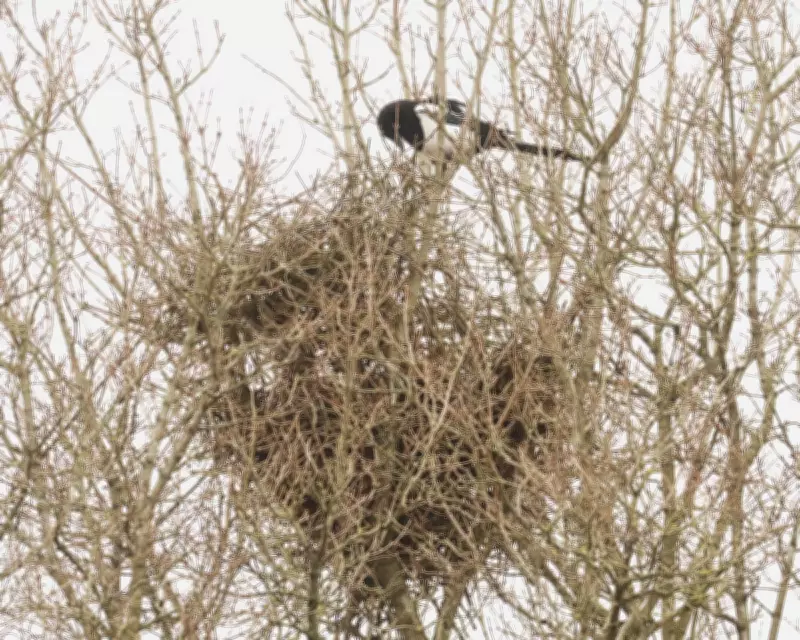
Magpies begin their nest-building with a burst of energy, gathering twigs, leaves, and other materials from their surroundings. However, this initial enthusiasm often gives way to confusion, as they frequently drop or misplace items, leading to a scattered and untidy work site. Observers note that despite this apparent disorder, the birds persist tirelessly, returning to the task with unwavering focus.
This persistence is key to their success, as magpies may spend weeks refining their nests, adding layers and reinforcing structures against the elements. Their nests, typically built high in trees or dense shrubs, serve as secure homes for raising young, showcasing how their chaotic efforts ultimately yield functional results.

Insights into Avian Behavior
The magpie's approach to nest-building reflects broader themes in wildlife adaptation. Their ability to blend persistence with adaptability allows them to thrive in various environments, from rural woodlands to urban parks. This behavior underscores the importance of observation in understanding animal instincts and survival strategies.
Researchers and nature enthusiasts alike find value in studying such processes, as they reveal the intricate balance between instinct and learning in the animal kingdom. The magpie's nest, with its rough exterior and cozy interior, stands as a testament to the resilience and resourcefulness of these common yet remarkable birds.
In summary, the magpie's nest-building is a compelling example of nature's imperfect perfection, where persistence overcomes confusion to create a sanctuary for future generations.