Country Diary: A Wildflower Display of Astonishing Richness in Drosopigi, Mani, Greece
This rocky southern tip of the Peloponnese, known as the Mani region in Greece, is celebrated not only for its historical legacy of vendettas and piracy but also for a springtime floral abundance that takes the breath away. The area's desolate, mountainous terrain, described by writers like Patrick Leigh Fermor and Charles Foster, contrasts sharply with the softness and colour of its wildflowers, creating a stunning natural display.
The Floral Landscape of Mani
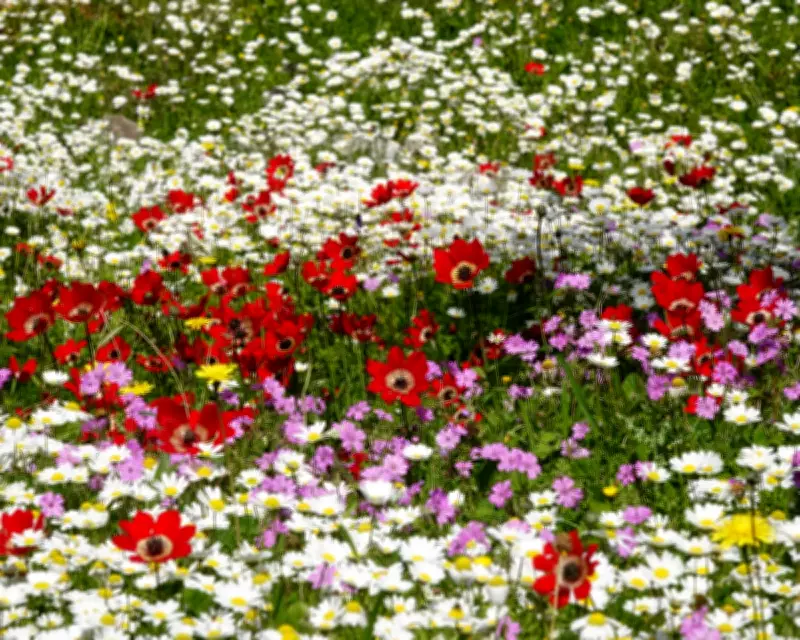
Amidst ancient stone-walled plots planted with olive, almond, fig, and carob trees, the Mani's super-abundant rock formations set the stage for an explosion of botanical life. Visitors are endlessly re-amazed by the millions of flowerheads that engage in a slow rotational ballet, tracking the sun's position throughout the day. At pre-dawn, blooms typically face west, but within minutes of sunrise, they perform a 180-degree tilt to greet the eastern horizon, showcasing a mesmerizing natural choreography.
Chios Chamomile's Dominant Presence
At a specific location called Drosopigi, a single white-flowered daisy species, Chios chamomile, dominates the landscape. This wildflower winds down mountain roads on both sides, continues around each bend, and spreads across a broad disused track, forming a solid plain of white petals. The pattern is so extensive and beautiful that it would likely offer a striking vision to any observant passenger on a passing aeroplane, highlighting the region's floral richness.

The Mani's reputation for violence and stone-reflected heat is overshadowed by its equal renown for spring flowers of astonishing richness, making it a must-visit destination for nature enthusiasts and botanists alike.