Groundbreaking Survey Reveals Hidden Biodiversity in Cambodia's Karst Caves
A comprehensive survey conducted in the limestone caves of western Cambodia has unveiled a stunning array of wildlife, including several species never before documented by science. This pioneering work was spearheaded by the international wildlife conservation charity Fauna & Flora, in collaboration with Cambodia's environment ministry and a team of field experts.
Exploring the Karst Landscapes of Battambang
The survey team embarked on an extensive exploration, investigating over 60 caves spread across 10 hills in Battambang province. This region is characterised by its karst landscape, formed from rocky limestone hills and caverns. The unique habitat features large cave springs, sinkholes, and sinking streams, all resulting from the dissolution of the rock over millennia.
New Species Discoveries
Among the most exciting findings are three new gecko species, each with distinct characteristics. One of these, a gecko from the Gehyra genus, was located in several karst areas within Banan district. Another, named the Battambang leaf-toed gecko (Dixonius noctivagus), is adorned with tiny leopard-like spots and is known as a 'night wanderer'.

Additionally, the survey identified four populations of the striped Kamping Poi bent-toed gecko, now classified as a new species: Cyrtodactylus kampingpoiensis. Due to the isolation of the karst formations, these populations may represent separate evolutionary lineages, with genetic analyses potentially revealing them as distinct species.
Spectacular Pit Viper and Other Fauna
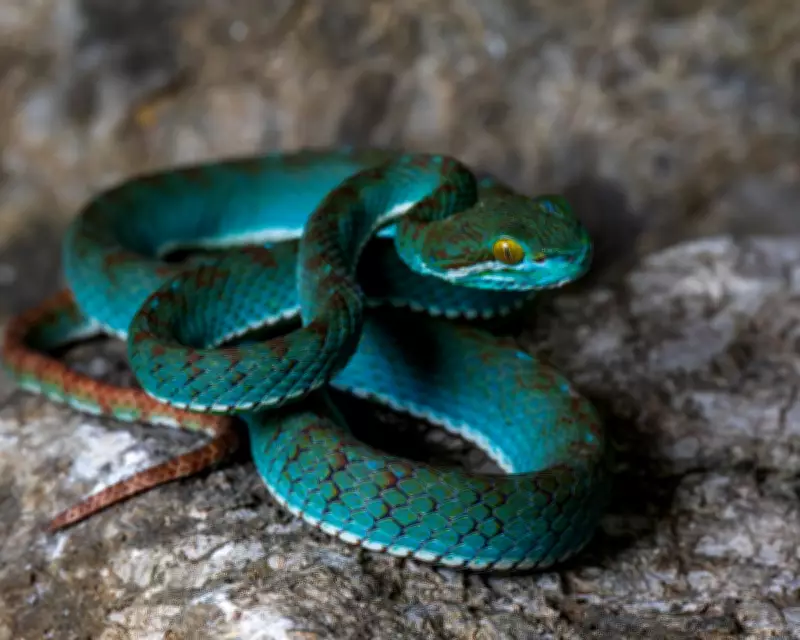
A spectacular new species of pit viper, belonging to the Trimeresurus genus, was collected during the survey of Phnom Prampi in Battambang. These highly venomous snakes utilise heat-sensitive pits behind their nostrils to track warm-blooded prey.
Other notable discoveries include the karst-dwelling gecko shiva, recently described in Thailand and now recorded for the first time in Cambodia. Two millipede species were also collected, one of which, Orthomorpha battambangiensis, exhibits vivid colouring likely indicating toxicity to predators.
Diverse Wildlife in the Caves
The survey documented a variety of other species inhabiting these caves. A reticulated python, native to South and Southeast Asia and known as the world's longest snake, was observed in Phnom Preak. The brown tree frog, also called the Hong Kong whipping frog due to its unique nesting behaviour, was found in the Phnom Prampi cave, a designated natural heritage site.
Furthermore, the ornate flying snake, or golden tree snake, was noted for its ability to glide between trees by flattening its rib cage. Its vivid colouring makes it a target for collectors.
Implications for Conservation
This survey underscores the critical importance of Cambodia's karst ecosystems as biodiversity hotspots. The discovery of new species, particularly geckos with limited distributions in neighbouring countries like Thailand and Vietnam, suggests that many more undiscovered species may exist in these isolated landscapes.
The collaborative effort between Fauna & Flora, Cambodian authorities, and international experts highlights the value of conservation initiatives in protecting such unique habitats from threats like habitat destruction and climate change.
Future Research and Protection
Ongoing genetic analyses and further surveys are essential to fully understand the evolutionary relationships among these species. Protecting these karst areas is vital for preserving their rich biodiversity and ensuring the survival of newly discovered and yet-to-be-found species.
This breakthrough not only adds to our knowledge of global biodiversity but also emphasises the need for sustained conservation efforts in Southeast Asia's fragile ecosystems.