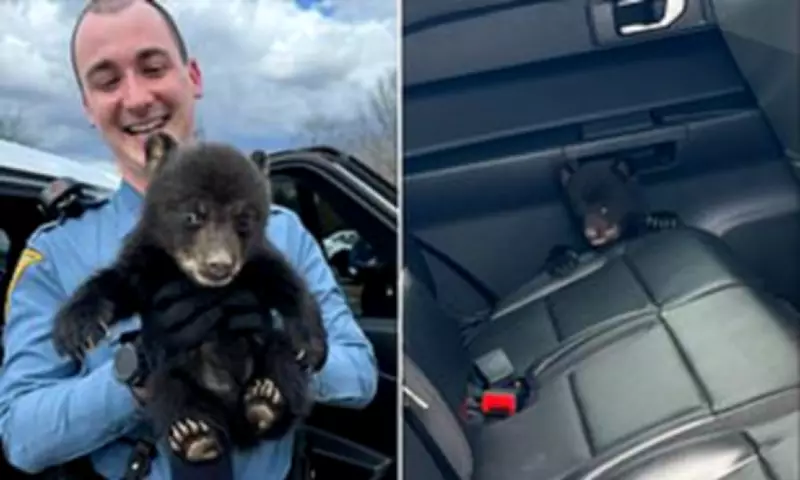
In an unusual and heartwarming incident, a tiny bear cub is now safe and recovering after New Jersey state troopers responded to a call about the helpless animal discovered alone along a busy highway. The rescue operation highlights the swift actions taken by authorities to protect vulnerable wildlife in the state.
Unusual Call Leads to Cub's Discovery
Troopers from Troop B’s Perryville Station were dispatched to I-78 East in Union Township at approximately 1:37 pm on April 1, following reports of a lone cub spotted in a roadside ditch near milepost 12.2. Upon arrival, officers found the small bear by itself with no immediate sign of its mother, prompting immediate intervention to ensure its safety.
Swift Response and Secure Transport
New Jersey State Police detailed in a Facebook post that upon arrival, troopers found the small cub alone and in clear need of assistance. The cub was carefully secured and transported back to the barracks, where troopers ensured it was safe and stable before transferring it to the New Jersey Department of Environmental Protection for proper care. Thanks to the rapid response of the troopers, the cub is now receiving the attention it requires.

Photos shared by police show one trooper posing with the rescued cub, while another image captures the animal hiding in the patrol vehicle, illustrating the delicate nature of the rescue. It remains unclear how the cub became separated from its mother, though wildlife experts note that young animals can sometimes appear abandoned when they are not.
Wildlife Experts Offer Guidance
The Department of Environmental Protection emphasized that young wildlife may appear to be abandoned, but it is likely that the mother is nearby. Officials added that residents should contact a wildlife rehabilitator or local authorities before intervening, as it is illegal to possess injured or orphaned wildlife without a permit. This guidance aims to prevent well-intentioned but potentially harmful actions by the public.
Black Bears in New Jersey: A Conservation Success
Black bears are native to New Jersey and have made a strong comeback in recent decades. Once nearly wiped out due to habitat loss and hunting, the species is now thriving and has been sighted in all 21 counties. They are typically solitary animals that tend to avoid humans, though they can be drawn into residential areas in search of food.
Wildlife officials warn that leaving out garbage or other food sources can attract bears and cause them to associate people with food, increasing the risk of dangerous encounters. This incident serves as a reminder of the importance of coexisting safely with wildlife and following proper protocols when encountering animals in distress.