Dutch Authorities Intercept Major Parrot Egg Smuggling Attempt at Schiphol Airport
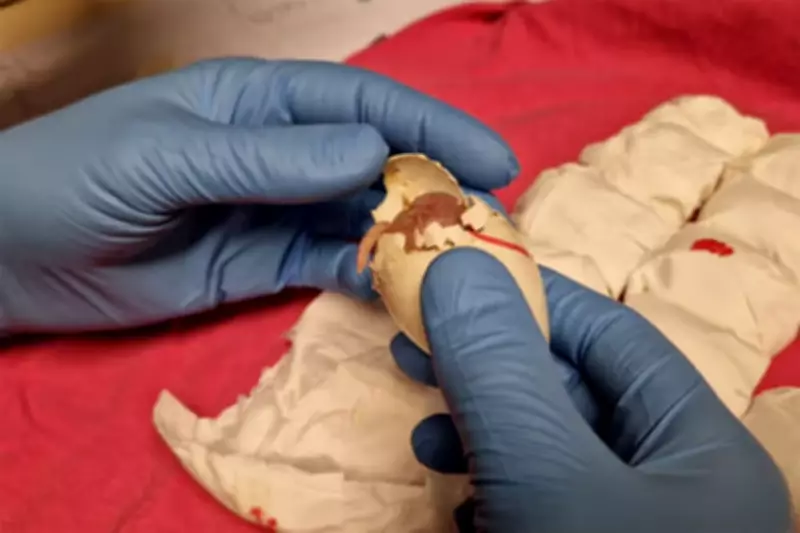
In a startling incident at Amsterdam's Schiphol airport, Dutch authorities have seized a significant illegal cargo of 261 suspected wild parrot eggs from the hand luggage of a couple travelling from Central America to Asia. The discovery, made by customs officers on 24 March 2026, took an unusual turn when a chirping chick began to hatch from one of the eggs during the inspection.
Detailed Discovery of the Illegal Cargo
The Netherlands Food and Consumer Product Safety Authority (NVWA) reported that the eggs were individually wrapped in paper and bundled within T-shirts inside the travellers' bags. The couple, whose identities remain undisclosed, were immediately detained by the Royal Military Police at the airport. According to the NVWA, they lacked any documentation proving legal ownership of the eggs, which is a critical requirement under international wildlife protection laws.
All parrot species are protected under the CITES convention, a global treaty that regulates trade in endangered animals, imposing strict rules on the possession and trade of these birds and their eggs. The newly hatched chick, too young for its species to be identified, along with the seized eggs, has been transferred to a specialised care facility for incubation and ongoing veterinary attention.

Global Context of Bird Trafficking
This incident highlights a broader, alarming trend in wildlife trafficking. Parrots, songbirds, and birds of prey are among the most trafficked birds globally, often targeted for the exotic pet trade, private collections, or for their feathers, as noted in the United Nations 2024 World Wildlife Report. Non-profit organisations like World Animal Protection International estimate that in some regions, wild African grey parrot populations have declined by as much as 99 per cent due to rampant trafficking activities.
Recent cases underscore the severity of this issue. In November 2025, a man was charged with smuggling at the US-Mexico border after customs officers discovered two sedated parakeets, an endangered species native to Mexico, hidden in his underwear. Similarly, in July 2025, more than 1,600 parrots and canaries were seized at Lagos international airport in Nigeria, where they were being illegally transported to Kuwait.
Implications and Ongoing Efforts
The interception at Schiphol airport serves as a stark reminder of the persistent challenges in combating wildlife crime. Authorities continue to enhance surveillance and enforcement measures at key transit hubs to prevent such illegal activities. The care and rehabilitation of seized animals, like the parrot chick, remain a priority, with specialised facilities playing a crucial role in their recovery and potential reintroduction to the wild.
As global awareness grows, efforts to strengthen international cooperation and legal frameworks, such as CITES, are vital to protect endangered species from exploitation. This case not only exposes the methods used by traffickers but also reinforces the need for vigilant border controls and public education on the devastating impacts of wildlife smuggling on biodiversity.