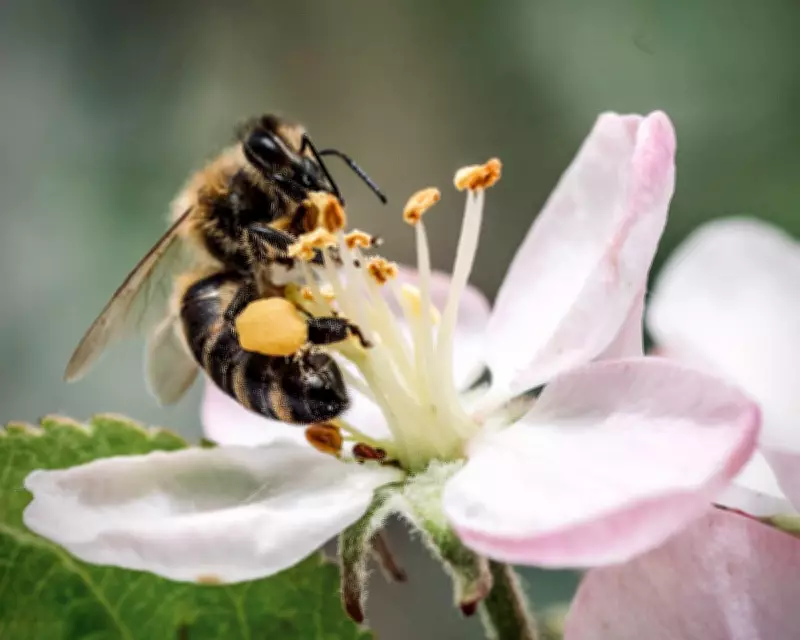
Rare Dark Bee Species Rediscovered in Belgium by Local Beekeepers
In a remarkable discovery that has captivated the environmental community, Belgian beekeepers have identified a rare dark bee species thriving within honeybee hives. This finding, reported in early 2026, marks a significant moment for biodiversity and pollinator conservation in Europe. The dark bee, previously thought to be in decline or locally extinct in some regions, has been observed in multiple apiaries across Belgium, suggesting a resilient population that has adapted to coexist with domesticated honeybees.
Conservation Implications and Beekeeper Efforts
The rediscovery of this dark bee species has prompted immediate action from conservationists and beekeepers alike. Experts highlight that the species plays a crucial role in pollination, particularly for native plants that honeybees may not effectively service. Belgian beekeepers are now collaborating with scientists to monitor and protect these dark bees, implementing measures such as habitat preservation and reduced pesticide use in surrounding areas. This initiative aims to bolster the species' numbers and ensure its long-term survival amidst global pollinator declines.
Impact on Honeybee Populations and Biodiversity
While honeybees are widely recognized for their agricultural importance, the presence of the dark bee species introduces new dynamics to local ecosystems. Researchers note that the coexistence of these two bee types could enhance pollination efficiency and biodiversity, offering a buffer against environmental stressors. However, concerns have been raised about potential competition for resources, though early observations indicate a harmonious relationship. This discovery underscores the need for integrated conservation strategies that support all pollinator species, not just honeybees, to maintain ecological balance.

Future Steps and Global Relevance
Looking ahead, the Belgian case serves as a model for other regions facing similar biodiversity challenges. Conservation groups are advocating for increased funding and research into dark bee species worldwide, emphasizing their often-overlooked ecological value. Public awareness campaigns are also being launched to educate communities on the importance of protecting diverse pollinator populations. As climate change and habitat loss continue to threaten bees globally, this rediscovery offers a glimmer of hope and a call to action for enhanced environmental stewardship.