Rescued Foxes from Polish Fur Farms Find Sanctuary in Germany
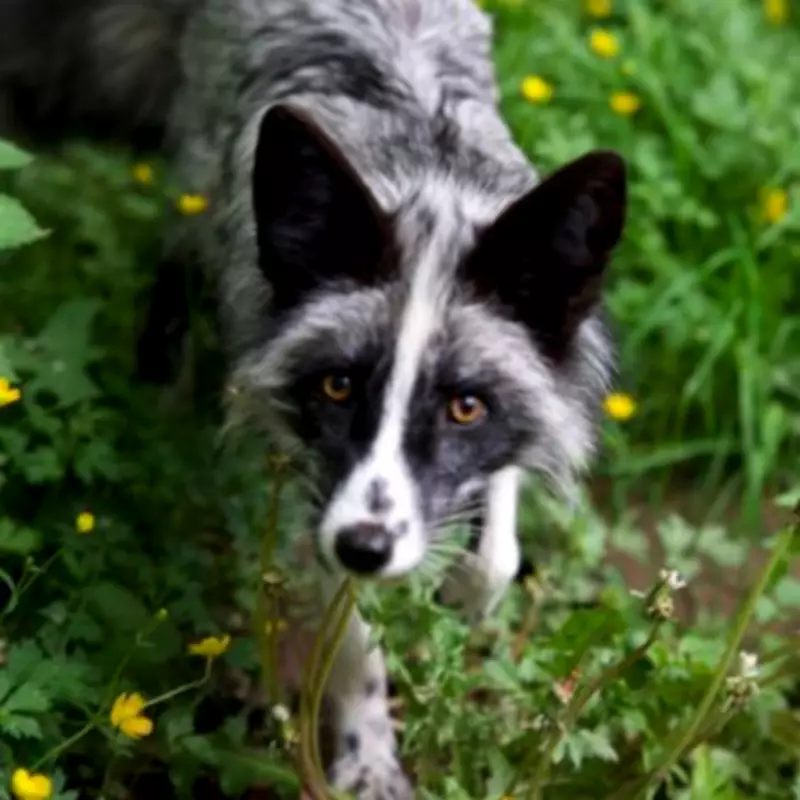
In a remarkable rescue operation, terrified foxes have been saved from filthy, tiny wire cages on horrific fur farms in Poland, just weeks before they were destined to be electrocuted for frivolous fashion items like coat trims or hat bobbles. The animals, including silver fox Tomek, were living in tormented conditions, pacing incessantly and gnawing at bars due to psychological distress, until the courageous animal rights group Four Paws intervened.
New Lease on Life at Tierart Sanctuary
Now, these rescued foxes are enjoying a new lease on life in a lush 1,000 square metre enclosure at the Tierart Wild Animal Sanctuary in south-west Germany. Deputy site manager Eva Lindenschmidt expressed the emotional impact of the rescue, stating, "These animals would have been killed within a few weeks if they had not been rescued. But now it is so touching to see them have a second chance at life."
She added that the foxes have immediately exhibited natural behaviours, such as digging dens and burying food, traits ingrained in their DNA, despite never having had the proper start in life they deserved.

Arctic Fox Ronja's Harrowing Journey
One particularly poignant case is that of Arctic fox Ronja, whose dense, insulating fur makes her highly sought after by the fashion industry. Her rescue was nearly cut short when investigators feared she had already been killed as the fur harvest had begun. However, a second visit confirmed she was still alive, and she was freed.
Despite adapting well to sanctuary life, Ronja suffers from severe health issues rare in wild foxes, including heart problems, arteriosclerosis, joint and spinal issues, gallstones, kidney changes, a reduced spleen, fatty liver, and missing or worn-down teeth from biting cage bars. She also lost an eye, likely due to injury or infection.
Now, Ronja shares an enclosure with Wukk, a young male Arctic fox rescued from the pet trade in Austria, and the pair have formed a close bond, often seen playing together. Eva Lindenschmidt noted, "Although she has quickly gained trust in the people around her, Ronja is a very sad example for the suffering of animals on fur farms."
Political Push for a Fur-Free Britain
This rescue highlights the ongoing cruelty in the fur trade, even as Poland recently became the world's second-largest fur farming nation to ban the practice, saving around three million animals annually. Despite the UK banning fur farming in 2003, it still imports fur from countries like North America, China, and Finland.
A bill to ban fur imports and sales, introduced by Labour MP Ruth Jones, is awaiting its second reading in the Commons next month. Ms Jones said, "I am delighted to see these beautiful animals finally escape the appalling cruelty of the fur trade. Sadly, millions of other animals are not so lucky. It is time to close the loopholes that allow animals to continue being exploited for the outdated and inherently cruel trade."
Four Paws' Sonul Badiani-Hamment emphasised the need for stronger action, stating, "To truly protect animals and end their suffering at the hands of the fur trade, the UK must ban the import and sale of fur. Only then can we fully realise a Fur Free Britain and finally consign fur to the history books."
The Mirror is actively campaigning for a fur-free Britain, urging policymakers to take decisive steps to end this cruel industry once and for all.