Groundbreaking Study to Monitor 10,000 Moths Across Australia
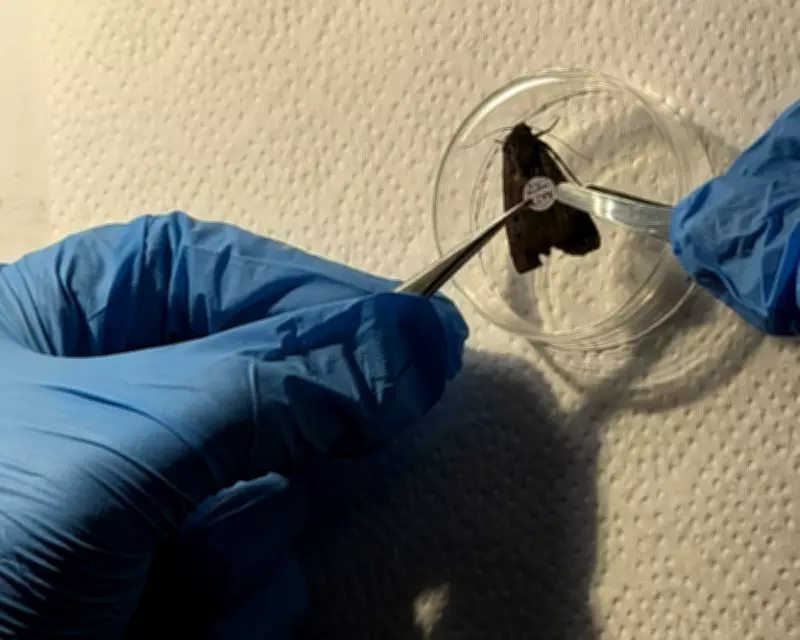
In a pioneering environmental research initiative, scientists are set to track the movements of 10,000 moths across Australia using surprisingly simple and low-cost tools. The study, which aims to shed light on moth migration patterns and their responses to climate change, relies on innovative methods involving eyelash glue and confetti-like tags.
Innovative Tracking Techniques
The research team has developed a unique approach to tag moths without harming them. They use a tiny amount of eyelash glue to attach lightweight, confetti-like tags to the insects' wings. These tags are designed to be easily visible and traceable, allowing scientists to monitor the moths' journeys over vast distances. This method is not only cost-effective but also minimally invasive, ensuring the moths can continue their natural behaviors undisturbed.
Objectives and Environmental Significance
The primary goal of this large-scale study is to gather detailed data on moth migration routes, population dynamics, and how these insects are adapting to changing environmental conditions. Moths play a crucial role in ecosystems as pollinators and as a food source for other wildlife. Understanding their movements can provide valuable insights into broader ecological health and the impacts of climate change on biodiversity.

By tracking 10,000 individuals, researchers hope to identify patterns that could inform conservation strategies and predict future shifts in moth populations. This data is particularly important in Australia, where diverse habitats and climate zones make moth behavior complex and variable.
Challenges and Future Implications
Conducting such an extensive tracking study presents logistical challenges, including the need to cover remote areas and coordinate with local communities. However, the use of eyelash glue and confetti tags simplifies the process, making it feasible to scale up the research. The findings could have far-reaching implications for environmental science, potentially leading to new methods for monitoring other insect species and enhancing our understanding of ecosystem interactions.
This study represents a significant step forward in entomological research, demonstrating how creative solutions can advance scientific knowledge while prioritizing animal welfare. As data collection progresses, it is expected to contribute to global efforts in biodiversity conservation and climate adaptation.