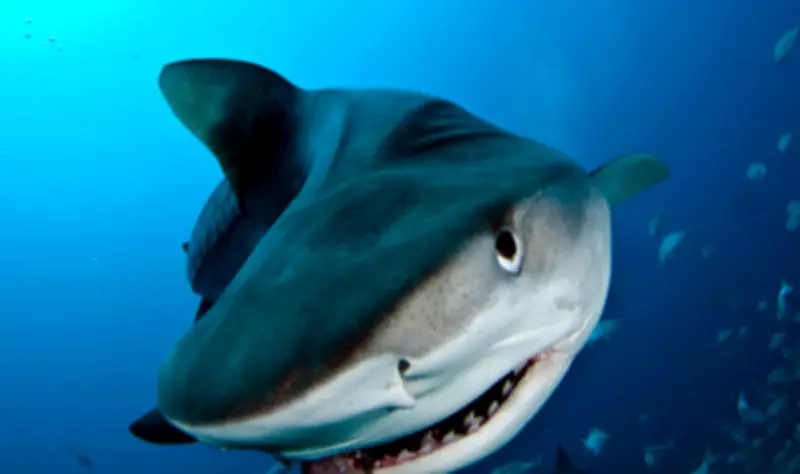
Global Shark Attacks Surge in 2025 with 12 Fatalities Worldwide
A new report published on Wednesday has revealed a significant increase in unprovoked shark attacks globally during 2025, with 65 incidents recorded, up from 47 in the previous year. The study, compiled by the International Shark Attack File at the University of Florida's Florida Program for Shark Research, also confirmed 12 human fatalities from shark bites, nearly double the 2024 total of seven deaths.
Regional Variations and Key Findings
Despite the sharp year-on-year rise, the report notes that long-term averages for unprovoked bites have remained relatively stable, with 10, 20, and 30-year averages differing by only four incidents. The average number of fatalities has held steady at six per year. Gavin Naylor, the program director, explained that while global patterns change slightly annually, regional incidents can fluctuate dramatically. "Shark bites are the consequence of the biology of the animals, the climatic conditions and the number of people in the water at the time of the incident," Naylor stated.
Australia experienced a particularly severe year, with five fatalities and 21 unprovoked bites, compared to nine bites and zero fatalities in 2024. Naylor praised Australia's beach safety protocols, noting that the country's rapid response systems, including helicopter deployments within minutes of an attack, likely prevented even more deaths. In one tragic incident in November, a woman in her 20s was killed and her male companion seriously injured by a large bull shark while swimming at Crowdy Bay, New South Wales.

United States and Florida's Shark Bite Capital
The United States remained at the top of the list for unprovoked shark bites, with 25 incidents, though this was three fewer than in 2024. The sole fatality in the US was triathlete Erica Fox, whose body was found near Santa Cruz, California, in December after she vanished during a group training swim. Florida continued to lead the nation with 11 unprovoked attacks, more than twice as many as any other state. Within Florida, Volusia County on the Atlantic coast maintained its reputation as the world's most prolific site for shark bites, with six incidents, though numbers were slightly down from previous years.
Other US states with unprovoked bites included:
- California and Hawaii: four non-fatal bites each
- South Carolina: two bites
- New York, North Carolina, and Texas: one bite each
Notable Firsts and Species Involved
The report documented several first-time occurrences. In South Africa, a fisherman became the first recorded fatality from a dusky shark, a large coastal species often mistaken for other sharks. Canada saw its first unprovoked shark attack since 2021, when a man escaped injury after a great white shark bit through his paddleboard. The "big three" species—white sharks, tiger sharks, and bull sharks—were responsible for most serious bites due to their serrated teeth, powerful jaws, and large size. Despite this, the report emphasizes that global shark populations remain far below historical levels, largely due to overfishing.
Statistical Context and Low Risk
The chances of being bitten by a shark remain statistically very low. According to the Centers for Disease Control and Prevention, more than 4,000 people drown annually in the US alone. Globally, lightning strikes are estimated to kill about 24,000 people each year, with approximately ten times as many injuries. This context underscores that while shark attacks capture public attention, they represent a minimal risk compared to other natural and human-caused dangers.