First Wild Beaver Pair in Norfolk for 500 Years Captured on Camera
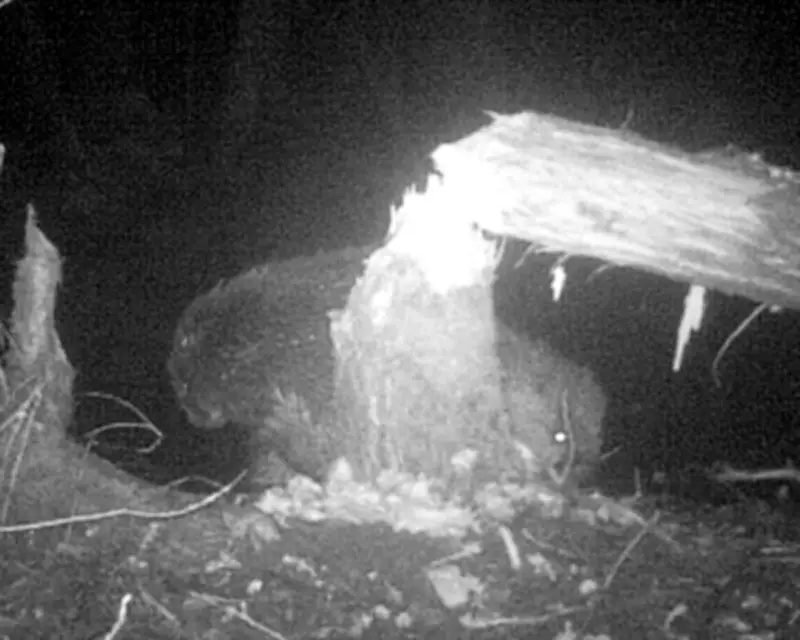
In a remarkable discovery, two wild beavers have been filmed living at the Pensthorpe nature reserve in Norfolk, marking the first time a pair has settled in the county since the early 16th century. This exclusive sighting comes just in time for Valentine's Day, with the animals caught on camera engaging in late-night swims and mutual grooming by the riverbank.
Until recently, experts believed only one wild beaver resided at the reserve, located approximately 20 miles outside Norwich. However, the new footage confirms the presence of a second individual, sparking excitement and speculation about their origins and potential as a breeding pair.
Mysterious Origins and Ecological Role
No one knows exactly where these beavers came from or how they ended up in Norfolk. Richard Spowage, the reserve's manager, noted that the animals are clearly wild, avoiding human interaction entirely. He suspects they may have been illegally released last year, a practice known as "beaver bombing," which the reserve does not condone but acknowledges their presence now requires protection.

Spowage expressed relief at finding a second beaver, emphasizing that beavers naturally live in family groups rather than as lone animals. In just three months, the pair has already made a positive impact on the local ecosystem by clearing debris from the river, revealing a sandy and gravel riverbed, and creating glades along the banks that allow sunlight to penetrate, promoting vegetation and invertebrate growth.
Broader Context of Beaver Reintroduction
The native beaver species has been slowly re-establishing itself in the English countryside since 2015, when a litter of wild kits was born in Devon. However, the journey of this pair to Norfolk remains a mystery. While the government began granting licences for wild beaver releases nearly a year ago, only a few legal releases have occurred in Cornwall and Somerset.
Professor George Holmes, a member of a government advisory group for species reintroduction, highlighted the frustrations many face with the costly and time-consuming licensing process. He cautioned that beaver dams could cause flooding and burrows might undermine riverbanks, but noted that in a controlled environment like a nature reserve, the risks are minimal.
Spowage advocates for the legal introduction of more beavers into the River Wensum, stressing the genetic necessity of having multiple pairs to ensure a sustainable population. He views this as a unique opportunity to restore an animal missing from the river system for over five centuries.
National and Regional Developments
Natural England, the government's advisory body, is investigating the reports from Pensthorpe and collaborating closely with the reserve. Across England, wild beavers can now be found in several counties, including Devon, Kent, Hampshire, Wiltshire, and Herefordshire, according to the Beaver Trust charity. Additionally, a Guardian reader reported a sighting in Berkshire.
In Scotland, the government has formally allowed beaver movement and release since 2021, with an estimated population of 1,500. A wild beaver has also been spotted on the River Dyfi in Wales, indicating a growing trend of beaver resurgence across the UK.
This discovery underscores the ongoing debates around wildlife conservation, species reintroduction, and the balance between ecological benefits and potential challenges in managing wild populations.