Wind Farm Proposal Sparks Fears for Golden Eagle Survival in Scottish Borders
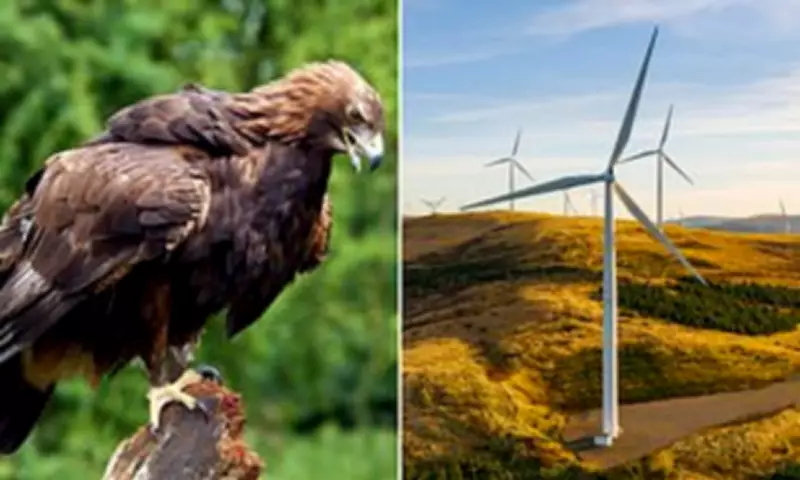
A conservation charity has issued a stark warning that a proposed wind farm in the south of Scotland could lead to the deaths of golden eagles due to collisions with its towering turbines. Restoring Upland Nature (RUN), which manages the South of Scotland Golden Eagle Project, is calling on Scottish Borders Council to reject plans for the Scawd Law wind farm near Walkerburn.
Development Details and Conservation Concerns
Fred Olsen Renewables, the developer behind the project, seeks to construct eight turbines reaching up to 180 metres in height at the site, which would generate 60MW of renewable energy. The proposed location consists of heather moorland currently used for sheep farming. However, RUN argues that this area is critically unsuitable for such development.
Dr Cat Barlow, chief executive officer of RUN, stated: 'While we strongly support well-sited renewable energy to combat the climate crisis, our detailed analysis shows Scawd Law in the Moorfoot Hills is the wrong location. Using satellite monitoring and field observations, we have significant concerns about unacceptable risks to the fragile local golden eagle population.'

Data Discrepancies and Heightened Risks
The charity contends that the developer's data is outdated and substantially underestimates golden eagle activity in the area. According to RUN's analysis, the collision risk at Scawd Law is at least six times greater than figures presented by Fred Olsen Renewables. Dr Barlow emphasised: 'This risk will increase further as fledglings enter the landscape. Indeed, the likelihood of an eagle being killed at this site alone exceeds the collision risk posed by all existing wind farms across the south of Scotland combined.'
This warning follows a tragic incident in 2024, when an investigation concluded that a golden eagle named Sparky died from a wind turbine strike in Dumfries and Galloway. The South of Scotland Golden Eagle Project found the three-year-old bird dead with its wing detached, lying 15 metres from a turbine base. Veterinary experts confirmed the injuries were typical of such collisions, marking the first recorded death of its kind for the project.
Community Opposition and Historical Context
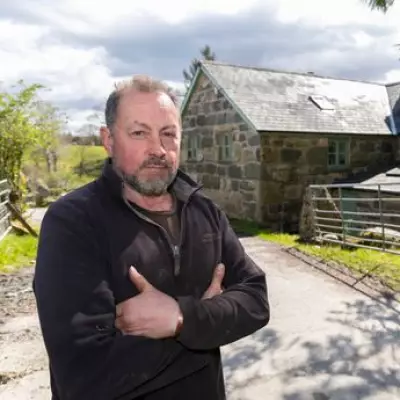
Local opposition has been vocal, with Mike Wilcox of Walkerburn Community Council stating: 'This is the last chance to save our majestic golden eagles. There has been a massive, concerted effort over many years to reintroduce this iconic species to the south of Scotland. The local community has been very excited to see these incredible birds in our skies again after an absence of perhaps 100 years.'
Golden eagles, scientifically known as Aquila chrysaetos, are huge birds of prey with broad wings and golden-hued feathers on their head and neck. Once healthy populations in the South of Scotland dwindled to as low as three breeding pairs due to human activity and land changes over centuries. Recent conservation efforts have aimed to restore their numbers, making the potential threat from wind turbines particularly alarming.
Planning Process and Developer Response
The council's planning committee is set to review the application on March 2. The final proposals have evolved considerably from initial plans that included up to 12 turbines. Fred Olsen Renewables believes the current plans are appropriate for locals and could present community opportunities, but has not provided further comment on the conservation concerns.
As the debate intensifies, the clash between renewable energy goals and wildlife protection highlights the complex challenges of sustainable development. With golden eagles symbolising both ecological heritage and conservation success, their fate at Scawd Law could set a precedent for future projects across Scotland's uplands.