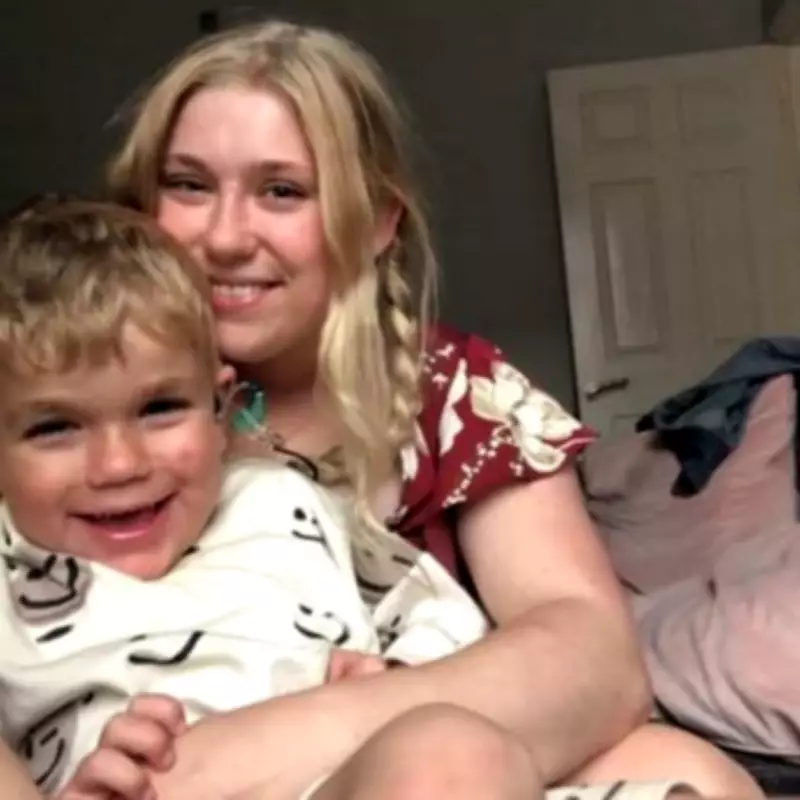
An eight-year-old boy has been diagnosed with a rare and devastating degenerative disease known as childhood dementia after doctors noticed his unusually bushy eyebrows. Cody Carroll, from the UK, was diagnosed with Sanfilippo syndrome at the age of three, following a series of health issues that began when he was just a toddler.
The early signs
Cody's troubles started with recurring ear infections and hearing loss when he was one year old. He was fitted with hearing aids, but his mother, Georgia Nonas, observed other concerning symptoms. After initially beginning to speak, Cody became mute. He was diagnosed with autism in August 2020, but a consultant noticed his coarse facial features, including thick eyebrows and a prominent forehead, which raised suspicion of Sanfilippo syndrome.
What is Sanfilippo syndrome?
Sanfilippo syndrome, also known as childhood dementia, is a rare genetic disorder that causes severe intellectual disability and typically leads to death in the teenage years. Children with the condition often have distinctive features that become more pronounced over time, such as a prominent forehead, bushy eyebrows, and a pronounced bottom lip. Physical symptoms usually develop between the ages of one and four and include speech and developmental delays, sleep disturbances, and recurrent infections.

Cody was diagnosed with type A, the most severe form of the disease, with a life expectancy of mid-to-late teenage years. His mother described the diagnosis as "the worst day of my life," adding that she felt numb and in denial. She recalled sitting in the room with Cody's father and her mother when the diagnosis was confirmed, and the silence that followed.
The progression of the disease
Since his diagnosis in July 2021, Cody's condition has continued to decline. He now relies on a wheelchair due to mobility issues, can no longer swallow solid foods, and suffers from epilepsy, which is common in children with Sanfilippo syndrome. He also experiences muscular and joint pain, requiring daily painkillers, and has severe sleep disturbances that necessitate a sleeping aid.
Georgia explained that Cody's body is missing an enzyme, leading to a buildup of waste on his spinal cord and brain. This progressive damage takes away his ability to communicate, eat, and walk, and causes brain damage. She described the anticipatory grief that comes with being a parent to a child with Sanfilippo, saying, "You start grieving your child the day you get that diagnosis."
Raising awareness
Georgia has been sharing Cody's story on social media to raise awareness of Sanfilippo syndrome, which she had never heard of before her son's diagnosis. She hopes that by highlighting the early signs, such as bushy eyebrows and coarse features, other parents might seek earlier diagnosis and support for their children. "When I went looking for a community online, I saw children who looked just like Cody – I couldn't believe it," she said.
Hope for the future
While there is no cure for Sanfilippo syndrome, Georgia is advocating for access to a gene therapy drug called UX111, which is awaiting FDA approval in the United States. Although not a cure, the therapy could slow the progression of the disease and give Cody more time. She is in talks with his medical team in Manchester to explore eligibility for the treatment.
Despite the challenges, Georgia describes Cody as "the most loving little boy" and is determined to make the most of their time together. The family has a trip to Disneyland Paris planned for July, and Georgia is focused on creating as many memories as possible. "Hope is all we can hang onto at the moment. Cody is the light of my life," she said.