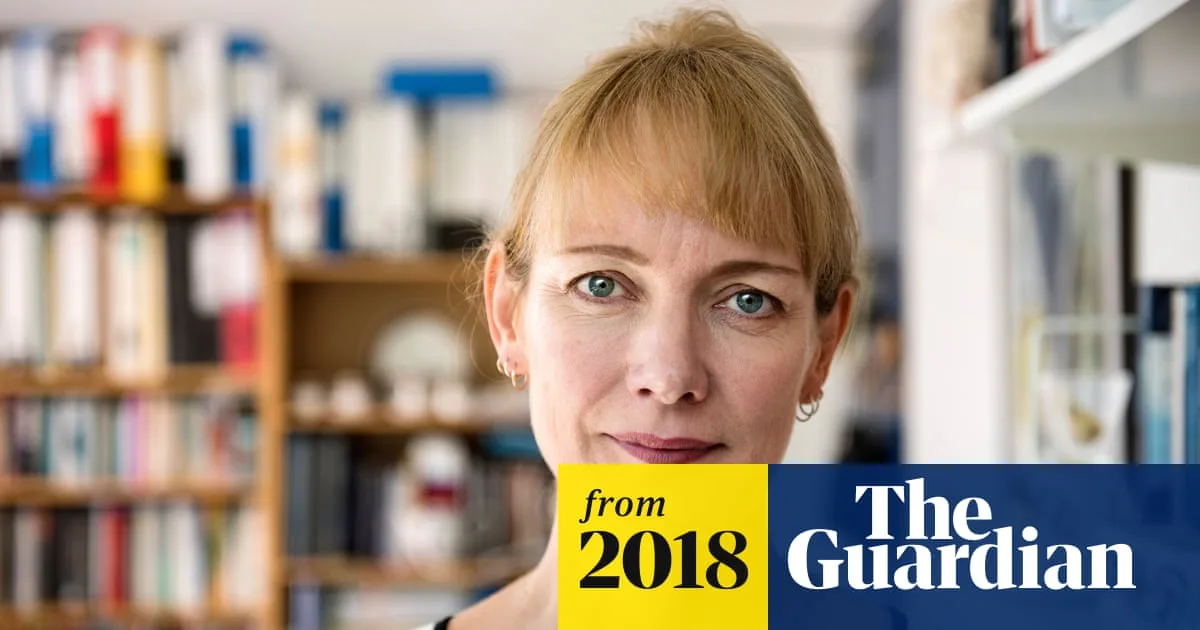
Hundreds of thousands of girls and women with autism may be going undiagnosed because the condition is often viewed as a 'male condition', according to Professor Francesca Happé, a leading neuroscientist at King's College London. She warns that this failure to recognise autism in females is taking a stark toll on their mental health.
Until recently, autism without intellectual impairments was thought to affect boys and men at a ratio of 10 to one. However, recent research based on active screening suggests the ratio may be closer to 3:1, and could fall further to 2:1 as diagnostic processes improve. Happé notes that early assumptions led to male-only study cohorts, meaning much of what is known about autism is actually about male autism.
Subtle differences in how autism presents in girls and women may contribute to underdiagnosis. For example, special interests may appear more mainstream, such as horses or boybands, and females often mask their autistic traits by copying peers. The 'extreme male brain' theory and male-dominated media portrayals also reinforce the bias.

The consequences of missed diagnoses are significant, with many affected individuals experiencing anxiety, depression, and self-harm. A small study found that 23% of women hospitalised for anorexia met the diagnostic criteria for autism. Happé emphasises that clinicians should consider autism when seeing eating disorders.
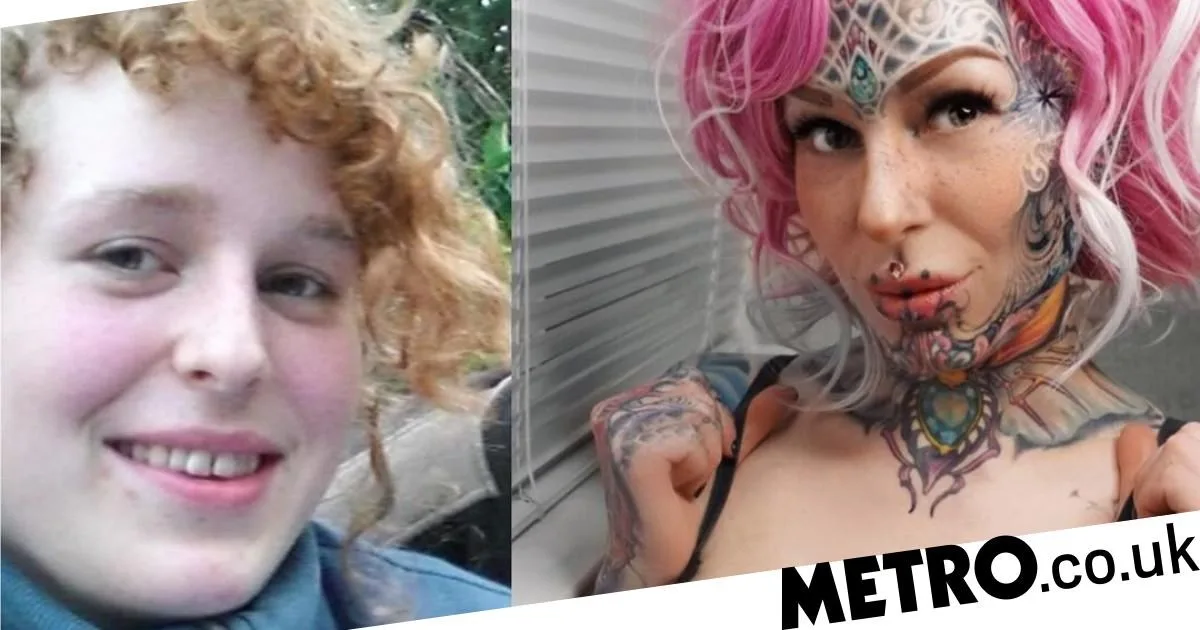
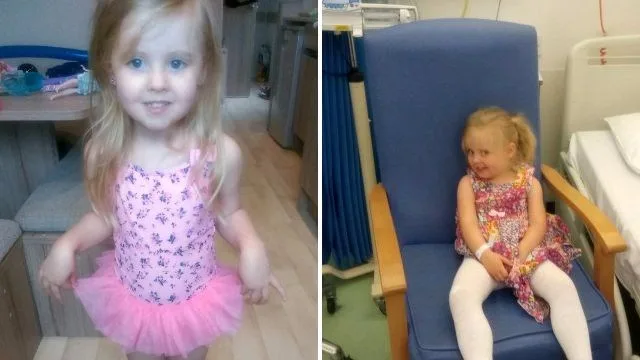
Hannah Belcher, an autism researcher diagnosed as an adult, said she struggled with anxiety as a child and stopped attending school at 14. She believes an earlier diagnosis would have provided more support and reduced her mental health difficulties. The NHS estimates 700,000 people in the UK are on the autism spectrum based on a 10:1 ratio; if the true ratio is 3:1, up to 200,000 females may be missing from the tally.