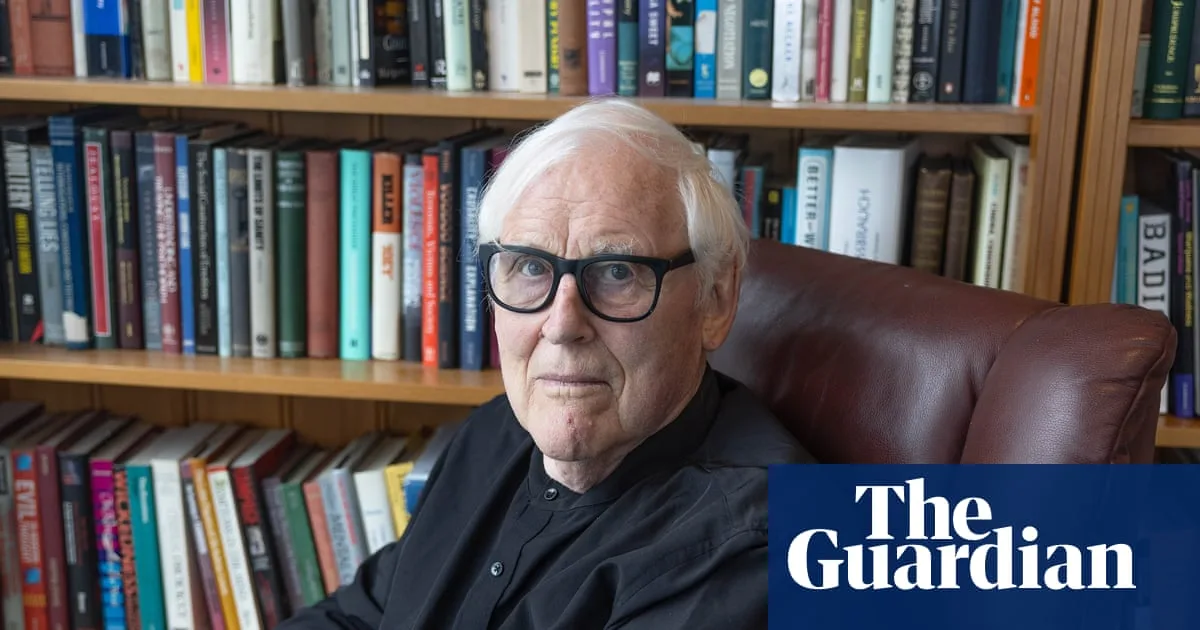
Dr Paul E Mullen, a forensic psychiatrist who has spent decades interviewing lone-actor mass killers, says these perpetrators are not monsters but individuals following a 'cultural script' that can be disrupted. The 81-year-old, who has met killers from the Port Arthur and Aramoana massacres, argues that understanding their mindset is key to preventing future attacks.
Mullen's interest in mass killings began in 1990 when he heard gunfire near his home in Dunedin, New Zealand, during the Aramoana massacre, in which 13 people were killed. He later discovered that one of his long-term patients was the perpetrator's neighbour. This event prompted him to specialise in forensic psychiatry, focusing on stalking, child sexual abuse, and mass killings.
In 1996, Mullen was called to Royal Hobart Hospital to interview the Port Arthur gunman, who had shot 55 people, killing 35. Despite the man's notoriety, Mullen approached him as a 'person who has killed' rather than a monster. He noted that the killer was aware of previous massacres, revealing a common thread among such individuals: they are rarely acting in isolation.

Mullen's research has identified a 'cultural script' that mass killers follow, often inspired by previous attacks. He emphasises that these individuals are not 'wolves' but 'sheep' who are influenced by societal and cultural factors. By understanding this script, he believes it is possible to 'disrupt the script' and prevent future violence.
The psychiatrist has observed an alarming rise in lone-actor mass killings over the past half-century, citing examples from Texas in 1966 to Christchurch in 2019. He stresses the importance of early intervention and public awareness in identifying potential perpetrators before they act.