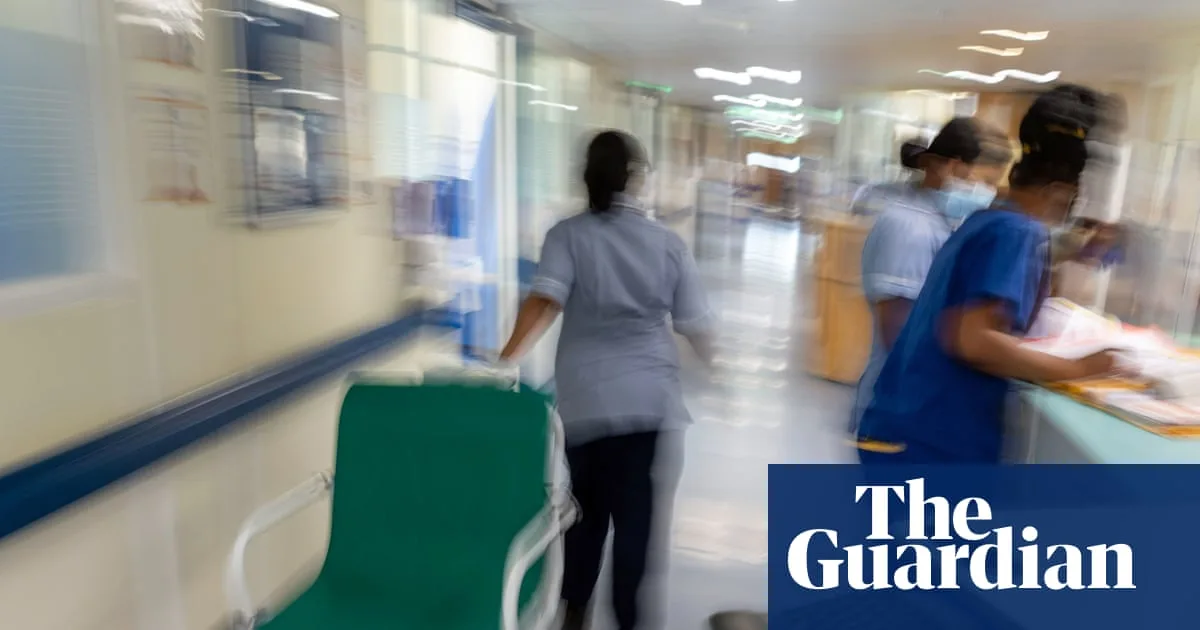
Readers have responded to a recent piece by Peter Ormerod about the Samaritans' plans to close half of its branches and move volunteers to 'regional hubs', with some working from home. The letters highlight a divide between those who support the changes and those who fear they may harm the charity's lifesaving work.
One current Samaritan, Tim Brooks, argued that the shift to larger branches is not as negative as portrayed. He noted that digital technology allows teams to work together even when not in the same physical space, and that no volunteer will be asked to work alone. Brooks drew parallels to changes at the Guardian newspaper in the 2000s, which were initially resisted but later accepted.
However, former volunteer Ilona Notley expressed panic at the idea of volunteers working from home. She recalled her own experience calling the Samaritans as a distressed single mother, and later volunteering. She stressed that after difficult calls, volunteers need to debrief face-to-face with colleagues, which cannot be done remotely. She warned against putting volunteers' mental health at risk.

Another former volunteer, who served for 12 years, echoed these concerns. They described the importance of debriefing in person after emotional calls, and recalled meeting founder Chad Varah, who believed in never putting the phone down on callers. The volunteer emphasised that face-to-face support among volunteers is essential for their wellbeing.