Twelve-Year-Old Boy Receives Life-Saving Heart Transplant for Extremely Rare Condition
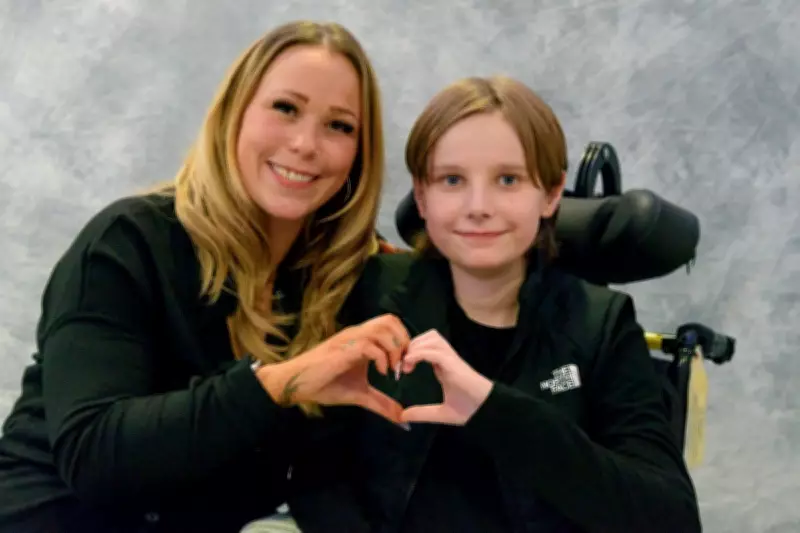
At just eleven years old, Trey Taylor discovered he was living with an extraordinarily rare form of muscular dystrophy that nearly claimed his life. The condition, an exceptionally rare strain of LMNA gene-related muscular dystrophy, affects all the muscles in his body, including his heart. Trey, now twelve, is one of only thirteen people in the world believed to have this specific disease.
A Sudden and Terrifying Health Crisis
Less than two months before his diagnosis, Trey was shopping with his mother when he suddenly felt ill and began vomiting. Initially, his family thought he had contracted norovirus. However, as his condition deteriorated over the following days, he was rushed to hospital. Doctors made a shocking discovery: his heart was dangerously enlarged.
"That's when I knew something was very bad," his mother, Elise Taylor, told The Independent. "I was under the impression my son had norovirus... so to then be told 48 hours later that he was in multi-organ failure and he was actually dying became very scary and overwhelming."

Waking Up to a New Heart and a New Reality
While Trey was placed in an induced coma, he was transferred to Great Ormond Street Hospital (GOSH) for an urgent heart transplant. After six weeks in a coma, he awoke in a white room, frightened and desperate to speak to his father. However, his vocal cords had swollen from weeks on a ventilator, leaving him unable to talk for several days.
"Dad said he could see the fear in my eyes when I found out I couldn't speak. He saw them expand," Trey recalled. He also learned about his rare condition and his new heart.
For his mother, one of the most difficult aspects was the prolonged inability to communicate with her son. "That was really hard, because we love a little chat and we are always singing, we're always doing silly things, and we're always together," she said. "I really felt like part of me was missing, and the only thing I could do about it was stay by his bed and read to him, hoping that he knew I was there."
Life After Transplant: Challenges and Advocacy
Due to his condition, the protein in Trey's leg muscles cannot regenerate, meaning he cannot walk freely and requires a wheelchair. A year after his transplant, he says the biggest challenge is explaining his condition to others, who often mistakenly assume he is paralysed.
"If everybody had just a little bit more knowledge and understanding, then I think it would make the world more inclusive," Ms Taylor remarked. Despite the hurdles, Trey finds a silver lining in his uniqueness: "Because I'm one of 13 and I'm not ordinary anymore."
Elise Taylor's life goal is now to encourage as many people as possible to become organ donors. "It feels freaky, but it saves lives, and Trey's proof of that," she explained. "I never thought of it or saw it like that until I was there, but I wish I had known many years ago. I would have spent a lot of years making sure everybody I'm related to and everybody I know had opted in and decided to donate all their organs."
Charity Calls for Increased Research into Rare Diseases
Aoife Regan, director of impact and charitable programmes at GOSH Charity, expressed her happiness at seeing Trey celebrate one year since his transplant. Marking Rare Disease Day on 28 February, the charity called for more research into rare childhood diseases affecting children like Trey.
Rare Disease Day aims to raise awareness and drive change for the 300 million people globally living with a rare disease. GOSH Charity, the largest dedicated funder of child health research, has invested over £70 million in research into rare or complex childhood diseases.
"Trey's journey shows what specialist care can do and is also a powerful reminder of the need for further research into rare diseases," Ms Regan added. "Half of all rare diseases affect children and as new discoveries are made, it is vital that no child is left behind to make sure promising breakthroughs and treatments can reach the children who need them."