From Perfect Birth to Devastating Diagnosis
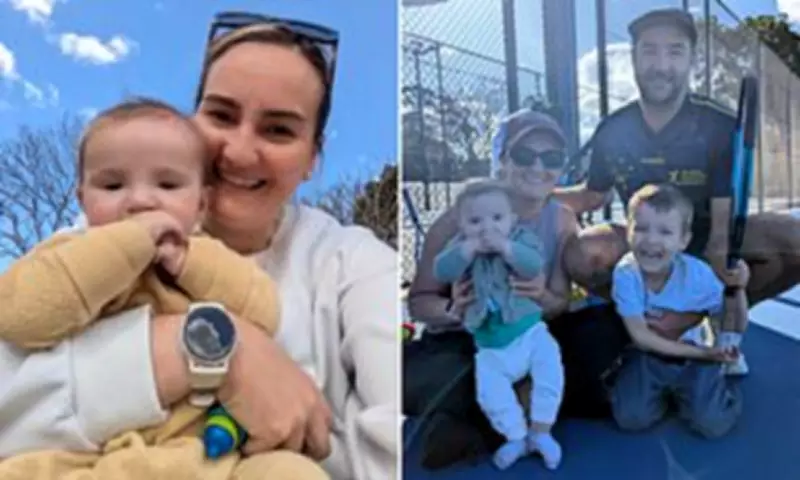
When Ivana Goluza Riddell welcomed her second son into the world, overwhelming joy filled her heart. Baby Felix arrived slightly early at 2.3 kilograms but appeared completely healthy and content. 'He came into the world, and he looked perfect,' the Wollongong mother recalled in an emotional interview with the Daily Mail.
What began as a story of new life quickly transformed into a medical odyssey when Felix was diagnosed with both congenital heart disease and Myhre syndrome - an ultra-rare genetic condition with only 200-300 confirmed cases worldwide and affecting merely twelve families across Australia.
The First Signs of Trouble
During pregnancy, early scans had hinted at potential heart abnormalities, but doctors later dismissed these concerns as probable errors. 'It was a bit of an up and down during pregnancy,' Ivana explained. 'But by the time he was born, we thought everything was okay.'

The turning point came during a routine postnatal examination when a physician detected an unusual heart murmur. While medical staff remained calm, this discovery triggered an urgent transfer to Sydney's Royal Women's Hospital in Randwick for comprehensive assessment.
An echocardiogram revealed Felix had Tetralogy of Fallot, a serious congenital heart condition involving pulmonary stenosis, right ventricular hypertrophy, and an atrial septal defect. This complex combination disrupts normal blood flow through the body's circulatory system.
Complications and Further Discoveries
Although surgical intervention often manages Tetralogy of Fallot effectively, Felix's case proved particularly challenging. Additional testing uncovered severely underdeveloped pulmonary arteries. 'The lungs are like a tree of vessels, and all of his vessels are very, very small,' his mother described vividly.
Hospital life became routine as Felix moved between Randwick and Westmead facilities while specialists worked to understand his complete medical picture. At two months old, just as the family focused entirely on cardiac concerns, a geneticist delivered devastating news.
The Myhre Syndrome Diagnosis
'We were at home when he rang,' Ivana remembered. 'He said they found something during the exome sequencing called Myhre syndrome.' This diagnosis struck with even greater force than the heart condition revelation.
Myhre syndrome represents an exceptionally rare genetic disorder caused by mutations in the SMAD4 gene. The condition affects multiple bodily systems progressively, meaning symptoms typically worsen over time through scarring and stiffening processes.
The progressive nature makes Myhre particularly cruel, with stiffening affecting rib cages, muscles, joints, heart tissue, and gastrointestinal systems. For some children, the condition proves life-limiting, with Ivana acknowledging heartbreaking losses within their community.
Navigating Uncharted Medical Territory
With so few documented cases worldwide, many clinicians have never encountered Myhre syndrome, creating additional challenges for families. 'That's been one of the hardest parts,' Ivana admitted. 'Symptoms can present differently, and sometimes clinicians haven't seen this before.'
The family discovered that survival depended on collaboration between medical professionals, parents, and the global Myhre community. Shared experiences proved invaluable, such as when community advice helped address Felix's painful reaction to feeding tubes - contrary to clinical expectations.
Even cardiac surgery required specialized planning to minimize trauma that could accelerate Myhre-related scarring. 'His cardiologist and cardiothoracic surgeon carefully designed ways to minimise trauma,' Ivana explained.
Daily Life with Dual Diagnoses
At eighteen months, Felix remains significantly smaller than peers, with his days alternating between medical therapies, Sydney hospital visits, and occasional park outings. Ordinary baby struggles like teething and sleepless nights intertwine with medical concerns, creating a confusing blend of normalcy and fear.

Five-year-old brother Oscar demonstrates remarkable resilience, adapting to hospital visits instead of beach trips while maintaining a close sibling bond. 'They cuddle every morning,' their mother shared, noting that Felix enjoys disrupting Oscar's Pokémon collection in typical brotherly fashion.
Advocacy and Hope for the Future
The weight of Myhre syndrome has transformed Ivana's family into advocates for rare disease awareness. They believe conditions like Myhre could benefit from medical breakthroughs elsewhere, including repurposed medications and emerging gene-editing technologies.
The family now lives simultaneously in present and future timeframes, focusing on current care while planning for Felix's needs in coming years. They've established a GoFundMe campaign to support foundation costs and research efforts.
Ivana's message to other parents emphasizes vigilance and advocacy: 'Rare diseases are devastating - and most of them have no treatments.' Despite the challenges, she finds strength in community support and Felix's own joyful moments. 'We're just so grateful he's with us,' she affirmed. 'And we'll keep fighting - for him, and for every family like ours.'