BBC Today Programme Accused of Fuelling Health Disinformation by Chief Medical Officer
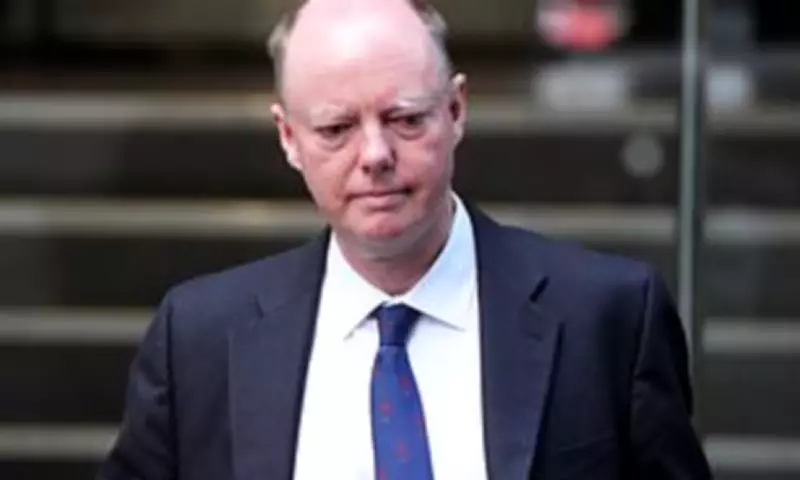
Professor Sir Chris Whitty, England's chief medical officer, has issued a stark warning that the BBC is inadvertently fuelling disinformation and conspiracy theories by providing airtime to what he describes as 'quack academics'. Speaking at the Nuffield Trust Summit near Windsor, Whitty told health leaders that programmes like Radio 4's Today show help to legitimise 'vain' experts who promote fringe views.
Legitimising Fringe Views Undermines Public Health
Sir Chris emphasised that appearing to legitimise these opinions can seriously undermine lifesaving public health initiatives, particularly vaccination programmes. He stressed that once people hear wrong but potentially convincing arguments, it becomes 'extraordinarily difficult' to persuade 'even very clever people' to change their minds.
'Some of our colleagues push some of these ideas for reasons, as far as I can see, almost exclusively of vanity,' Whitty stated. 'Previously, they are a liberal ranking, perfectly decent clinician or academic. Once they start pushing these they're invited onto the Today programme.'

Social Media Amplification and State Actors
The chief medical officer identified multiple sources of disinformation, including:
- State actors attempting to 'cause chaos' and undermine government institutions
- Individuals with vested commercial interests
- Colleagues motivated primarily by vanity
He noted that social media platforms 'amplify' disinformation, with chatbots making minority views appear to have widespread support. Whitty described how these experts gain huge Twitter followings, with tweets receiving 100,000 likes, creating what he called a 'very, very addictive' cycle of attention.
The Dangers of Engaging with Disinformation
Sir Chris issued a 'health warning' to his scientific colleagues about the dangers of responding to conspiracy theories circulating on radio, social media, and in the press. He outlined three primary reasons why disinformation experts want respected health professionals to engage:
- Repetition of lies: By responding to false claims, experts inadvertently repeat them to audiences who otherwise wouldn't have heard them
- Parity of esteem: Debating with respected professionals raises the status of disinformation spreaders
- Entertainment advantage: Those untethered to evidence can create more compelling narratives than honest experts
'They want you to respond, and they want you to respond for at least three reasons,' Whitty explained. 'The first reason they want you to respond is you will then repeat their lies to a public who otherwise would not hear them.'
The Challenge for Evidence-Based Professionals
The chief medical officer highlighted the particular challenge facing scientists and medical professionals who must remain tethered to evidence-based approaches while their opponents face no such constraints. He warned that disinformation experts can 'lie, lie and lie again' while creating 'fantastic stories' that make them more entertaining on television and radio.
'We need to be very careful of that,' Whitty cautioned, noting that many scientists start interviews reasonably but become increasingly irate, sometimes making statements that aren't evidence-based due to their anger. 'They want you to debate with them. They also know that they have a huge advantage over you.'
Whitty urged respected health experts to direct the public to trusted sources of information while being mindful of these manipulation tactics that seek to undermine public trust in medical institutions and government health initiatives.