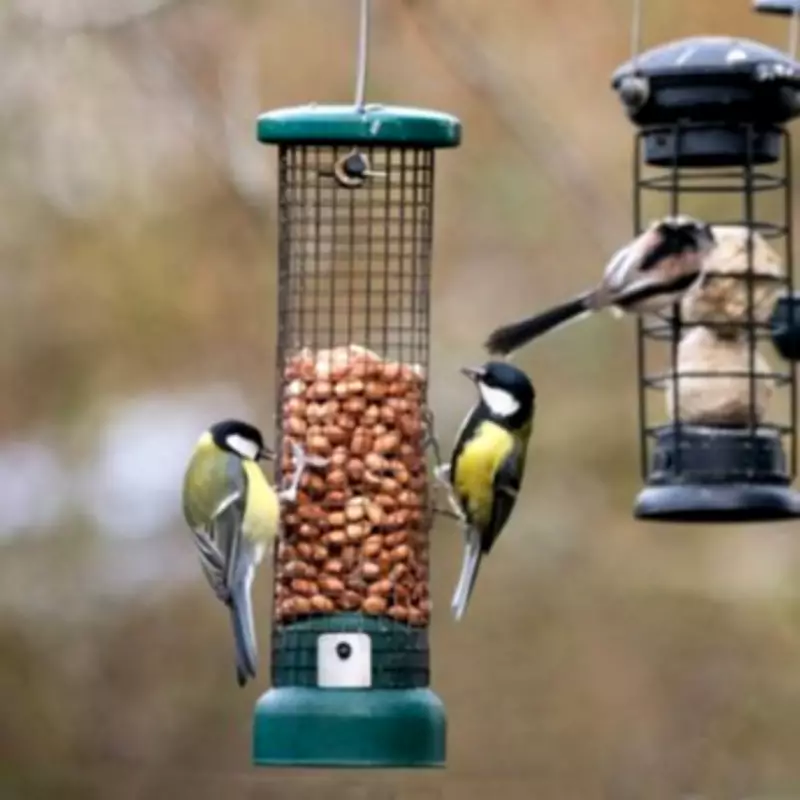
As the UK enjoys a bank holiday heatwave, experts are urging households with garden bird feeders to take extra precautions to prevent the spread of a deadly disease. With temperatures climbing across the country, the risk of disease transmission among birds increases significantly.
Trichomonosis Threat
Outdoor living specialists at TDP warn that unclean bird feeders can become breeding grounds for trichomonosis, a parasitic condition that can be fatal to many bird species. The disease is primarily transmitted through saliva and contaminated food and water supplies. During summer, higher temperatures allow the parasite to survive longer outside a host, while feeders attract larger numbers of birds, increasing the risk of infection.
Cleaning Recommendations
The RSPB advises cleaning bird feeders at least once a week using hot soapy water. Remove any stale food or droppings from around the feeder and clean surfaces with non-toxic or gentle solutions. Additionally, avoid positioning feeders underneath perching spots like trees, as droppings can contaminate the feeder below.

Feeder Material Matters
Specialists from TDP highlight that the material of a feeder affects how clean it stays. Wooden feeders are particularly vulnerable because they are porous, allowing bacteria to hide in cracks and crevices. They are also more difficult to clean and can attract pests. Standard plastic feeders are easier to wipe down but may degrade under UV exposure. For the best combination of durability and hygiene, outdoor experts recommend recycled plastic feeders, which offer smooth, easy-clean surfaces and superior weatherproofing.
Kym Barlow from TDP stated: "Trichomonosis is a serious threat to garden bird populations, and contaminated feeders are one of the primary ways it spreads. But it's easy to underestimate how quickly they can become a health hazard. A few minutes of cleaning each week can make a real difference to the birds visiting your garden, and it really helps protect local wildlife."
Households are urged to inspect feeders regularly for wear and damage. Small cracks and crevices, often unnoticed, can harbour harmful bacteria. By taking simple steps, Brits can help safeguard garden birds during the heatwave.