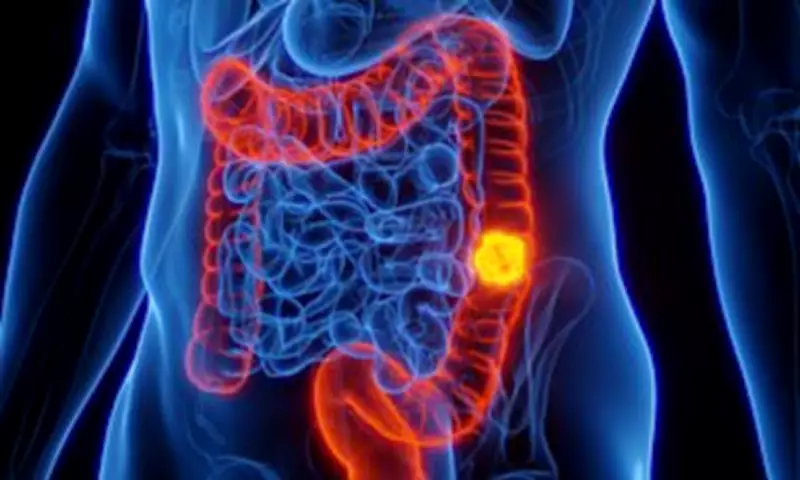
Bowel Cancer Emerges as Growing Threat to Young Britons
In a concerning shift, young people in Britain are now identified as one of the most at-risk groups for bowel cancer, a disease traditionally associated with older age. Experts emphasise that proactive measures, including dietary adjustments, lifestyle changes, and regular screening, can significantly mitigate this escalating risk.
Alarming Statistics and Rising Trends
Annually, approximately 44,000 individuals in the UK receive a bowel cancer diagnosis, with around 17,000 fatalities linked to the condition each year. Historically, factors such as obesity, sedentary habits, and excessive alcohol consumption have been recognised as primary risk enhancers. While age has long been a dominant factor, recent studies reveal a troubling increase in cases among those under 50. Researchers point to potential drivers like ultra-processed foods, microplastics, and a mysterious surge in inflammatory bowel disease as contributors to this trend.
Recognising Early Warning Signs
The initial symptoms of bowel cancer often include persistent alterations in bowel habits, such as constipation or diarrhoea, alongside blood in stool, abdominal pain, fatigue, and unexplained weight loss. With Cancer Research UK estimating that over half of bowel cancer cases are preventable, insights from medical professionals like Dr. Angad Dhillon, a consultant gastroenterologist, are crucial. He advocates for a holistic approach to gut health, stating: 'There are many preventative measures people can take to reduce the risk.'

Dietary Strategies for Prevention
Dr. Dhillon highlights the importance of a plant-rich, high-fibre diet, maintaining a healthy weight, regular physical activity, smoking avoidance, moderated alcohol intake, and stress management. Processed meats, particularly bacon and ham, have come under scrutiny due to chemicals linked to over 50,000 bowel cancer cases. Experts warn that consuming just two rashers of bacon daily can elevate risk by nearly 20%. Dr. Dhillon advises limiting red and processed meat to around 70g per day, a practical guideline supported by evidence. Instead, he recommends focusing on fibre from vegetables, nuts, pulses, legumes, and wholegrains, which promote regular bowel movements and produce anti-inflammatory compounds that help prevent cancerous cellular changes.
The Role of Exercise and Weight Management
Sedentary lifestyles are a major disease driver, with studies showing that prolonged sitting increases cancer susceptibility. Physical exercise reduces inflammation and oxidative stress, with research from Newcastle University indicating that even a ten-minute workout can halt bowel cancer growth. A 2023 study of 430,000 participants found that those watching TV for five hours or more daily face a 30% higher risk compared to those limiting screen time to an hour. Obesity is implicated in at least 11% of bowel cancer cases, as excess abdominal fat can lead to insulin resistance, fueling cancer development.
Stress Reduction and Sleep Prioritisation
Irregular sleep patterns are linked to heightened cancer risk, likely due to immune-system impacts. Inadequate sleep elevates cortisol levels, suppressing immunity and increasing vulnerability. Emerging research suggests that meditation may help reduce cancer spread in patients, underscoring the value of stress management.
Alcohol and Smoking Dangers
The World Health Organisation has declared no safe alcohol level for cancer risk, with heavy consumption contributing to colorectal cancer through toxic byproducts like acetaldehyde. Men drinking two pints daily face a nearly 40% increased risk, and smoking raises the likelihood of developing polyps that can become cancerous.
Importance of Early Detection and Screening
Dr. Dhillon urges individuals experiencing symptoms like blood in stool, weight loss, or abdominal pain to consult their GP promptly. Early detection is vital, as many cancers begin as silent polyps that can be removed during colonoscopy if caught early. The NHS is rolling out bowel cancer screening via home FIT tests for those aged 50 to 52, repeated biennially, to detect blood signs indicative of polyps or cancer. 'Early bowel cancer is far more likely to be curable,' Dr. Dhillon notes, highlighting the effectiveness of timely intervention.

The case of broadcaster Dame Deborah James, diagnosed at 35 and deceased at 40, serves as a poignant reminder of the disease's impact on younger demographics. By adopting preventative strategies and leveraging screening programmes, individuals can take meaningful steps to safeguard their health against this rising threat.