Biochemist Links Modern Lyme Outbreak to CIA Cold War Experiments
Dr Robert Malone, a prominent biochemist who contributed to mRNA vaccine technology, has made explosive claims suggesting the modern Lyme disease outbreak in the United States may have originated from CIA bioweapon experiments during the Cold War. His analysis of declassified government documents, historical records from biological weapons programs, and scientific research on tick-borne diseases points to concerning connections between military research and public health consequences.
Radioactive Tick Releases and Plum Island Research
Malone's report highlights specific experiments conducted in the 1960s that allegedly released more than 282,000 radioactive ticks in Virginia. These experiments were designed to track how disease-carrying ticks spread through the environment, with scientists marking the parasites using radioactive Carbon-14 so their movements could be detected with Geiger counters. The research was reportedly part of Project 112, a larger Cold War biological weapons program authorized by Defense Secretary Robert McNamara in 1962.
Malone also points to open-air tick research at Plum Island, a federal laboratory located near the Connecticut community where Lyme disease was first identified. The 840-acre island off the northeastern coast of Long Island, New York, has been home to the Plum Island Animal Disease Center since the 1950s, though the Department of Homeland Security has repeatedly stated Lyme disease was never studied at the facility.

Operation Mongoose and Alleged Sabotage Attempts
The report details Operation Mongoose, allegedly carried out by planes from Air America, an airline secretly owned by the CIA. According to documents obtained by journalist Kris Newby, operatives reportedly dropped boxes of infected ticks from aircraft onto sugarcane workers in Cuba to sabotage the economy, though the operation was said to have been quickly canceled due to risks like shifting winds. These events allegedly occurred mainly from the 1950s to the 1970s, with Operation Mongoose specifically taking place in 1962.
Project 112 oversaw 134 planned tests and included facilities capable of breeding millions of infected insects each week. The purpose of these operations was to create insect-based bioweapons during the Cold War, aiming to incapacitate communist adversaries by spreading illnesses without engaging in actual warfare.
Suppressed Research and Complicated Treatment
Malone's report makes further serious allegations about suppressed research. He claims the government sidelined investigation into a pathogen known as the 'Swiss Agent' (Rickettsia helvetica), which was detected in Lyme patients in Europe during the 1970s. Unpublished papers from Willy Burgdorfer, the scientist who discovered the bacterium that causes Lyme disease, suggested this pathogen complicated treatment because it triggered persistent symptoms that did not respond to standard antibiotics.
'Burgdorfer's notes indicate he was told to omit the presence of at least one potential bioweapon during the Lyme investigation,' Malone wrote in an article on his Substack. 'Swiss Agent suppression for 40+ years demonstrates systematic institutional willingness to conceal public health information.'
Current Lyme Disease Statistics and Symptoms
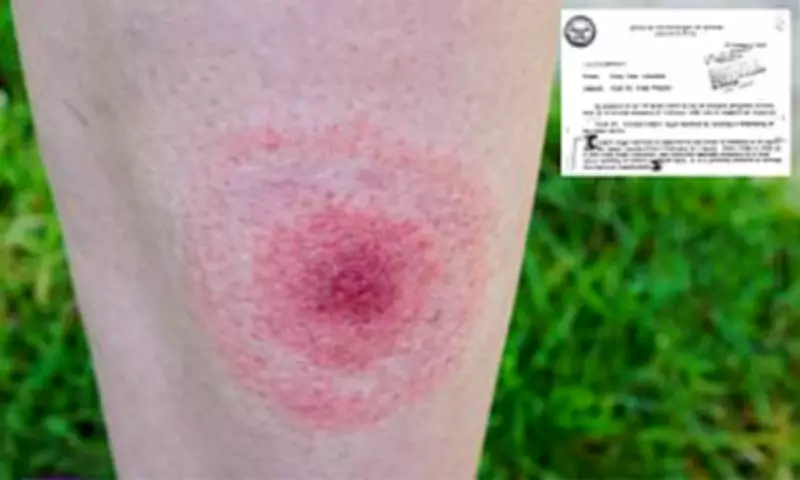
In the United States, between 30,000 and 40,000 cases of Lyme disease are diagnosed annually and reported to the Centers for Disease Control and Prevention, but the agency estimates the true number of infections may be as high as 476,000 annually. The illness is spread by infected ticks biting mammals and causes symptoms including fever, fatigue, and muscle aches. Within three days to a month, a red, bull's-eye rash appears in 70 to 80 percent of cases involving a tick bite.
Severe and untreated cases can lead to fatal complications like heart problems, neurological issues, and brain inflammation. Malone concluded there was a 45 percent likelihood that the secret tick experiments and the omission of the 'Swiss Agent' discovery contributed to the disease reaching epidemic levels in the US.

Government Response and Ongoing Investigations
Malone's claims follow calls from US officials to investigate whether federal agencies experimented with pathogen-laden ticks as tools of war. In December 2025, an amendment by New Jersey Representative Chris Smith called for a review of military, NIH and USDA projects from 1945 to 1972 involving Spirochaetales and Rickettsiales, bacteria linked to tick-borne diseases.
Health and Human Services Secretary Robert F Kennedy Jr has also suggested Lyme disease may have originated from a failed US bioweapons program in the 1970s tied to research at Plum Island. While some events have been verified through declassified documents found in the CIA and National Archives, confirming the existence of bioweapons programs like Project 112, claims about infected ticks being dropped over Cuba rely largely on anonymous testimony and have never been independently verified.