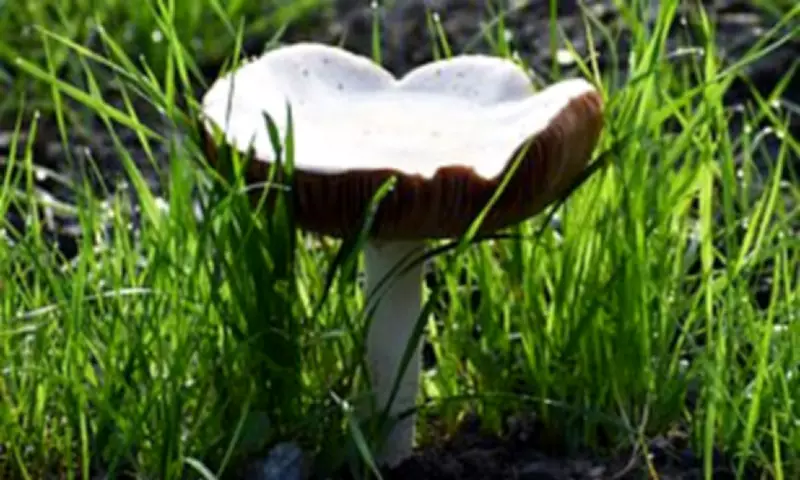
California Death Cap Mushroom Outbreak Claims Four Lives Amid Foraging Warnings
A deadly outbreak of death cap mushroom poisonings in California has resulted in four fatalities and three liver transplants, prompting urgent warnings from health authorities. Since November 18, more than 35 cases have been reported to officials, far exceeding the typical annual rate of two to five incidents.
Unprecedented Scale of Poisonings
Dr. Craig Smollin, medical director for the San Francisco Division of the California Poison Control System, described the situation as highly unusual. 'The main thing this year is just the magnitude, the number of people ingesting this mushroom,' he stated. 'Having almost 40 is very unusual.' The victims have ranged in age from 19 months to 67 years old, with many requiring intensive care unit admission due to rapidly evolving acute liver injury and failure.
Why This Year Is Particularly Dangerous
Experts attribute the surge in poisonings to a combination of warm autumn temperatures and early rains, creating what they term a 'super bloom' of death caps across California. The East Bay Regional Park District reported that toxic mushrooms have appeared in greater numbers in forested areas like Del Valle Regional Park. 'The best way to stay safe is to ensure that no mushrooms are consumed by humans or pets,' the district advised.

Death cap mushrooms, scientifically known as Amanita phalloides, contain amatoxins—highly potent compounds responsible for approximately 90 percent of fatal mushroom poisonings worldwide. These fungi are easily confused with edible varieties such as field mushrooms, and their appearance changes through different growth stages, from brownish-white to greenish caps. 'Unless you're an expert who studies mushrooms it can be very difficult to know,' Dr. Smollin emphasized.
Personal Tragedies Highlight the Risks
The human cost of this outbreak is starkly illustrated by cases like that of Laura Marcelino, a 36-year-old seasonal farmworker from Salinas. She and her husband gathered mushrooms resembling those they foraged in their native Oaxaca, Mexico, believing them safe. After consuming the mushrooms in a soup with tortillas, both fell ill with vomiting. Ms. Marcelino spent five days in hospital, while her husband required a liver transplant. 'We thought it was safe,' she recounted in Spanish.
Symptoms and Urgent Medical Advice
Initial symptoms of poisoning typically appear within 24 hours and may include:
- Stomach cramping
- Nausea
- Diarrhea
- Vomiting
While these early signs might temporarily subside, serious to fatal liver damage can develop within two to three days. Treatment becomes significantly more difficult once symptoms manifest, so medical professionals strongly advise seeking immediate care if ingestion is suspected. Cooking, boiling, drying, or freezing does not neutralize the toxins, making these mushrooms unsafe under any preparation method.
Expanded Warnings for Diverse Communities
The California Department of Public Health has responded to the crisis by expanding warnings in multiple languages, as many affected individuals are Spanish, Mixteco, or Mandarin Chinese speakers. Spanish was the primary language for over 60 percent of poisoning cases. Officials stress that mushroom colour is not a reliable indicator of toxicity and recommend purchasing mushrooms only from trusted grocery stores and sellers.
Expert Perspectives on Foraging Dangers
Julie Schreiber, a nationally recognized mushroom expert and foraging educator, noted the increased presence of mushrooms in residential areas this year, leading more people to collect them. 'I personally took a mushroom identification class about 35 years ago, and I've been foraging and teaching people about foraging for a long time... and I still feel like there's a lot that I don't know,' she told KTVU. The East Bay Regional Park District echoed this caution, stating, 'I wouldn't trust myself to go out and pick mushrooms of any kind right now because it really takes an expert.'

Broader Context and Historical Spread
Death caps are not native to California; they were accidentally introduced to North America as an invasive species via European cork oak roots. Now spreading across the West Coast, they primarily associate with oaks but can grow on other hardwoods. Clusters have been identified in the Monterey and San Francisco Bay areas, as well as in local and national parks across northern California and the Central Coast.
According to US Poison Centres, exposures to all mushroom varieties—not just death caps—increased by 40 percent from September through January compared to the same period the previous year. This trend underscores the growing public health challenge posed by mushroom foraging.
Health authorities continue to urge extreme caution, advising residents to monitor children and pets in areas where mushrooms grow and to avoid foraging entirely unless under expert guidance. The combination of environmental conditions, invasive species spread, and public misidentification has created a perfect storm of risk in California's mushroom habitats.