The Prescription for Loneliness: Doctors Turn to Pen and Paper
Health authorities worldwide are sounding the alarm about a silent epidemic sweeping across nations. The World Health Organization has identified loneliness as a critical public health concern, while the United States surgeon general formally declared it an epidemic in 2023. Research indicates this condition affects at least half of the American population, creating what experts describe as a pervasive emotional crisis in modern society.
The Digital Disconnect and Analog Solution
Medical professionals are now prescribing an unexpected remedy: the revival of traditional letter writing. Psychologists and doctors argue that this analog practice offers therapeutic benefits for those struggling with isolation in an increasingly digital world.
Christopher Fisher, a psychologist and director of adult outpatient psychiatry at Northwell Zucker Hillside Hospital in Queens, New York, explains the psychological rationale behind this approach. "The digital world is advancing at a pace far faster than human beings have had time to adapt to or emotionally settle into," Fisher told the Daily Mail. "Returning to old-fashioned activities can help heal parts of ourselves that feel neglected and address emotional voids that have quietly formed."

Fisher emphasizes that letter writing triggers nostalgia, which provides psychological comfort through "a sense of safety, belonging, and emotional continuity." This therapeutic effect addresses what surveys reveal as widespread emotional disconnection in contemporary society.
The Scale of Social Isolation
Recent polling data paints a stark picture of America's loneliness crisis. A November survey by the American Psychological Association found that 62 percent of U.S. adults consider societal division a significant source of stress. More fundamentally, half of the 3,000 adults surveyed reported persistent feelings of emotional disconnection.
The statistics reveal specific dimensions of this isolation: 54 percent have felt isolated from others, 50 percent have experienced being left out, and another 50 percent have lacked companionship either often or occasionally. These findings suggest loneliness has become a defining characteristic of life for millions of Americans.
Personal Stories Driving Change
The movement toward letter writing as an antidote to loneliness finds powerful expression in personal narratives. Hope Reagan Harris first discovered the comfort of handwritten correspondence as a child at sleepaway church camp, where daily letters from her mother provided emotional sustenance.
"Knowing there would be a letter waiting for me gave me comfort," Harris, now a mother of two, recalled. "I saved every single one. They made me feel brave enough to be away from home."
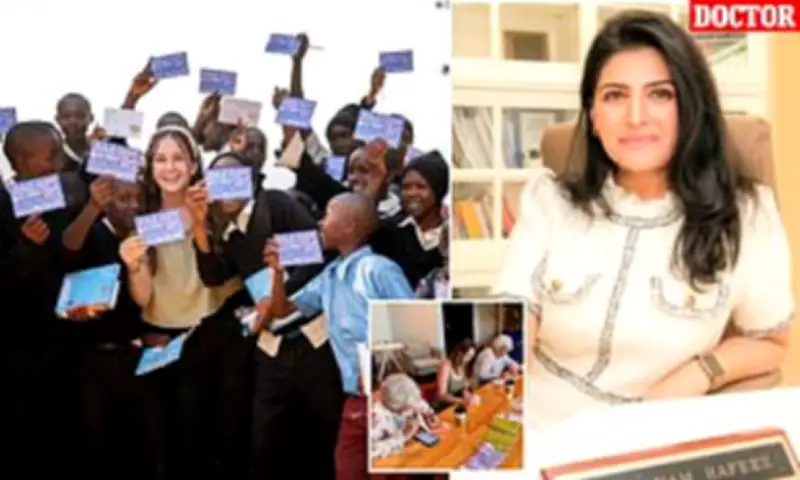
This childhood experience inspired Harris to create Purpose Doesn't Pause, a nonprofit that now sends 140,000 postcards monthly to women worldwide. The initiative demonstrates the profound impact simple correspondence can have, with recipients reporting that these small mailers arrived at precisely the right moment in their lives.
In one extraordinary case, a postcard reportedly prevented a 17-year-old Iowa girl from attempting suicide. "And that's why this movement matters so deeply to me," explained Harris, whose Arkansas-based organization relies on donations. "I've lived the power of receiving words when I needed them most."
The Tangible Difference of Physical Mail
Harris articulates what many find meaningful about physical correspondence in a digital age: "Mail is slow. It's intentional. It requires someone to stop, think about you, write your name, and send something just for you. In a world that feels fast, digital, and often isolating, a handwritten postcard says: 'You mattered enough for someone to take time.'"
Despite decades of declining letter writing, recent trends suggest a resurgence. A November study by Stamps.com found that 65 percent of Americans still send physical mail at least once monthly. Surprisingly, nearly 50 percent of Generation Z—typically considered digital natives—are participating in this analog revival.

"Our research shows that mail is still incredibly relevant today," stated Stamps.com general manager Nick Spitzman. "People rely on mail for those important moments and essential communications that deserve more than a digital message." The study further revealed that nearly 40 percent of respondents value the physical nature of mail and the ability to touch it.
Psychological Benefits of Analog Communication
Neuropsychologists confirm the therapeutic advantages of handwritten correspondence. Dr. Sanam Hafeez, a New York City-based neuropsychologist and director of Comprehend the Mind, explained: "It also allows the brain to slow down and get a break from constant alerts. It helps you focus on one thing instead of juggling ten tabs in your head. The physical act of writing can feel calming, almost like a form of mindfulness."
Dr. Hafeez added that this activity creates "an experience that is more human and lasting" compared to digital interactions. "There's something satisfying about creating something you can hold. It makes time feel less rushed and a little more meaningful."
Global Movements and Lasting Impact
The letter-writing revival extends beyond individual efforts to organized global initiatives. In Cheltenham, England, stationery shop owner Rebecca McMillan launched The Sunday Letter Project after a customer's poignant story about losing her brother without any physical correspondence to remember him by.
"Just one letter would mean the world to her," McMillan recalled. This interaction inspired her family to begin writing letters every Sunday, a practice that evolved into Wildflower Illustration Co. Since September, approximately 9,000 people worldwide have pledged to write weekly letters through this initiative.
Participants can write to strangers or develop pen pal relationships through participating shops that facilitate delivery. Projections suggest 450,000 letters will be sent by 2026, potentially reaching two million within five years if current growth continues.
"I think the really beautiful thing about letter writing is that it completely benefits the sender as much as the recipient," McMillan observed. "I think we spend so long swiping and tapping and kind of creating things in this world that doesn't even really exist. And it just feels so good to get something into the real world."
The Rise of Mail Clubs and Artistic Connection
The movement has spawned various subscription-based mail clubs that combine correspondence with artistic expression. Pennsylvania-based artist and poet Brittany V Wilder launched her Poem Club in June 2024, which has attracted 1,800 subscribers who pay $8 monthly to receive original poetry with explanatory letters.
Wilder shares deeply personal content through this medium, discussing her relationships, memories, and insecurities. "It's a little bit like a safer space, I guess, to be vulnerable," she explained. Many subscribers reciprocate with their own letters, creating meaningful exchanges about life experiences they might not otherwise share.
Wilder also operates a Postcard Club for $5 monthly and previously ran a zine club. She notes the recent proliferation of mail clubs online and identifies a common motivation among participants: "I definitely think people are craving tangible things. People just want to feel connected to the real world... it's been a long time of not feeling that way."
These clubs, often costing less than a daily coffee, provide both emotional connection and support for artists. As Wilder summarized: "So, [mail clubs are] something that you can justify spending every month, and you feel like you get something real out of it. And you also get to support an artist."
The resurgence of physical correspondence represents more than nostalgia—it's becoming a prescribed response to one of modern society's most pressing health challenges. As digital communication accelerates, medical professionals and ordinary people alike are rediscovering the therapeutic power of pen, paper, and postage.