The latest edition of the European Code Against Cancer has issued a stark warning, urging governments to incorporate air pollution reduction into their strategies for lowering cancer rates across the continent. This marks a significant shift from previous versions, which primarily focused on individual advice, to now providing clear directives for policymakers at all levels.
A New Focus on Government Action
For the first time since its inception in 1987, the code explicitly calls on politicians to take decisive steps. Dr Sylvia Jochems, from Utrecht University in the Netherlands and a member of the expert team behind the code, emphasised the urgency. "Policymakers should aim to meet the World Health Organization global air quality guidelines for outdoor air pollution without delay, while also reducing indoor air pollution and supporting climate goals," she stated. "The key message is that this needs action at EU, national, and local levels."
The Impact of Air Pollution on Cancer
Tobacco smoking remains the leading cause of lung cancer, but air pollution is a growing concern. Across Europe, approximately 28,000 lung cancer cases annually are attributed to particle pollution. Meeting WHO guidelines could reduce lung cancer deaths by more than 10%. There is mounting evidence linking air pollution to other cancers, including bladder, kidney, and brain cancers, and it may also affect survival rates for those diagnosed.

Specific Recommendations for Governments
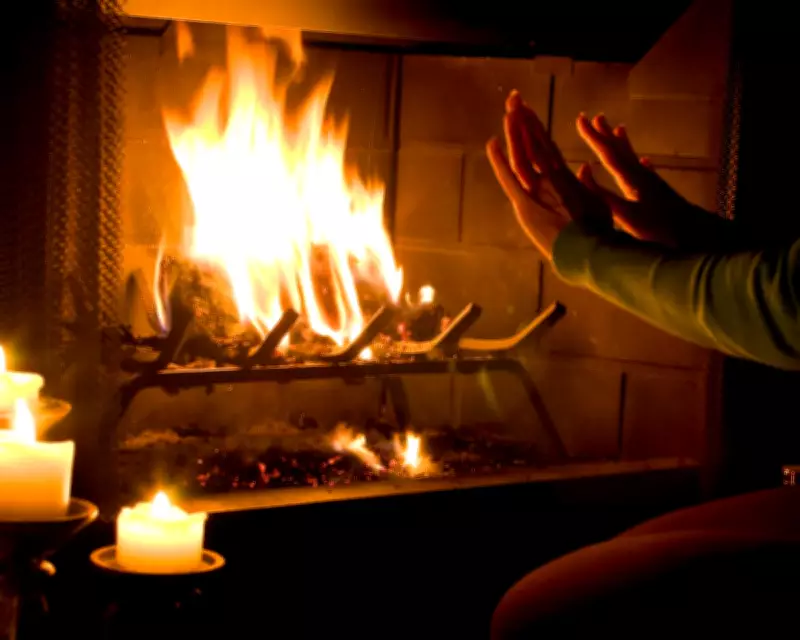
The code outlines several actionable measures for governments. It calls for the phasing out of solid fuels like coal and wood for heating, cooking, and recreation, particularly as home woodburning increases. Instead, incentives should be provided for installing non-polluting home energy systems, such as heat pumps, solar power, and geothermal energy.
Additionally, governments are urged to avoid locating schools and nursing homes near busy roads. Where this is unavoidable, indoor air filters should be installed. The expert group also advocates for an end to combustion-based electricity generation and heating across the EU, including coal and biomass. Better urban planning is recommended to reduce motorised traffic and improve infrastructure for active and greener travel options.
Individual Steps and Community Involvement
While government action is crucial, the code also advises individuals to protect themselves and reduce their contribution to air pollution. Recommendations include keeping homes smoke-free by avoiding burning materials like coal or wood, using public transport, walking, or cycling instead of driving, and choosing low-traffic routes for exercise.
Dr Jochems highlighted the importance of community engagement. "It is also important to make air quality information easily available, involve communities in local plans, and protect vulnerable groups, for example around schools and care settings," she added.
This comprehensive approach underscores the interconnectedness of environmental and public health policies, aiming to create a healthier future by addressing air pollution at its source.