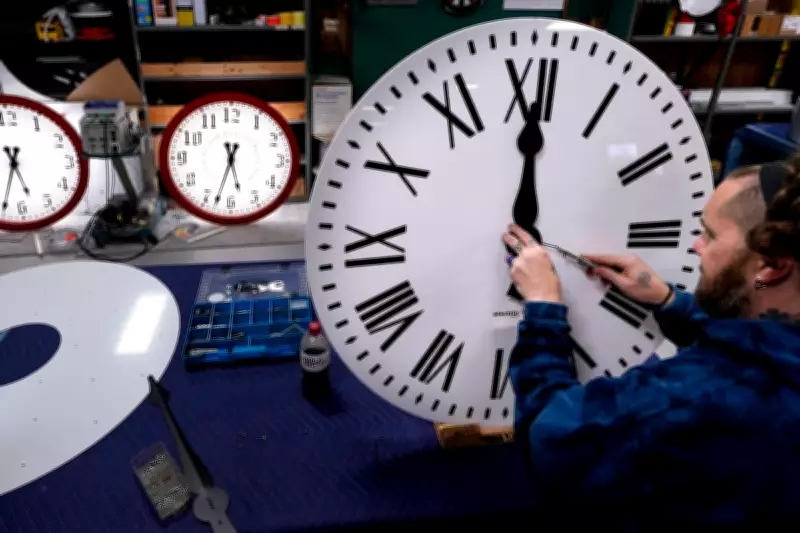
The Health Hazards of Daylight Saving Time's Spring Forward
As most of America prepares to "spring forward" for daylight saving time, losing an hour of sleep does more than just cause fatigue and irritability the next day—it poses significant risks to your health. This annual time change disrupts your body's internal clock, leading to sleep troubles that can persist for weeks or longer. Studies have shown a notable increase in heart attacks and strokes immediately following the March adjustment, highlighting the serious consequences of this seemingly minor shift.
Understanding the Impact on Your Body Clock
Your brain operates on a master clock regulated by exposure to sunlight and darkness, known as the circadian rhythm. This roughly 24-hour cycle dictates when you feel sleepy or alert, with patterns shifting as you age. Morning sunlight helps reset this rhythm, while evening triggers a surge in melatonin, the hormone that induces drowsiness. However, the extra hour of evening light from daylight saving time delays this surge, throwing your cycle out of sync. Sleep deprivation linked to this disruption is associated with heart disease, cognitive decline, obesity, and other health issues, as the circadian clock also influences heart rate, blood pressure, stress hormones, and metabolism.
Specific Health Risks and Safety Concerns
Research indicates that fatal car crashes temporarily spike in the first few days after the spring time change, with the highest risk in the morning due to sleep deprivation. Additionally, the American Heart Association notes studies suggesting an uptick in heart attacks on the Monday after daylight saving time begins and in strokes for two days afterward. While heart attacks are generally more common on Mondays and in the morning when blood is clot-prone, the abrupt circadian disruption from the time change may exacerbate factors like high blood pressure in at-risk individuals.

Strategies for Adjusting to the Time Change
To ease the transition, sleep experts recommend seeking early morning sunshine during the first week of daylight saving time to help reset your internal clock. Adjusting daily routines, such as moving up dinner or exercise times, can also cue your body to adapt. Avoid afternoon naps, caffeine, and evening exposure to light from electronic devices, as these can hinder adjustment to an earlier bedtime. For the third of U.S. adults already not getting the recommended seven hours of sleep nightly, these changes pose an added challenge.
The Debate Over Eliminating Daylight Saving Time
Every year, discussions arise about ending the time change, with proposals like the Sunshine Protection Act to make daylight saving time permanent stalling in Congress. However, health groups such as the American Medical Association and American Academy of Sleep Medicine advocate for sticking with standard time year-round, arguing it better aligns with the sun and human biology for consistent sleep. Despite promises from leaders like former President Donald Trump to eliminate daylight saving time, the debate continues, balancing convenience against health implications.
Note that Hawaii, most of Arizona, Puerto Rico, American Samoa, Guam, and the U.S. Virgin Islands do not observe daylight saving time, maintaining standard time throughout the year. Worldwide, dozens of countries also implement the time change on varying dates, making it a global issue with local health impacts.