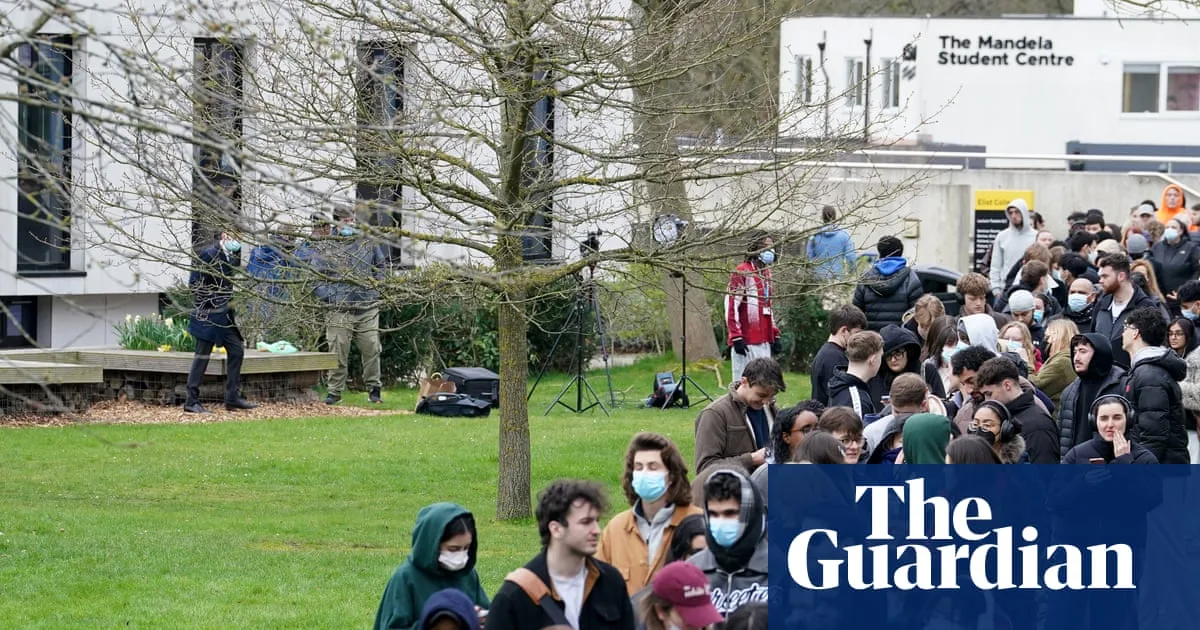
Meningitis cases linked to an outbreak in Kent have fallen, but health experts are warning of the risk of secondary infections. The outbreak, which began at Club Chemistry in Canterbury in early March, has so far resulted in 20 confirmed infections and two deaths. Health authorities have administered antibiotics to 30,000 people and offered the meningitis B vaccine to up to 5,000 University of Kent students.
Professor Andrew Preston, an expert on the disease at the University of Bath, described the outbreak as the largest cluster of cases in a generation, likely caused by a super-spreading event. He noted that the disease can progress rapidly, with mild symptoms deteriorating into life-threatening conditions within hours. However, he stressed that meningitis remains rare in the UK, thanks to effective vaccination programmes.
The health secretary, Wes Streeting, has urged calm, stating that the risk of transmission is low and advising against seeking private vaccinations. Despite this, high street pharmacies Boots and Superdrug have reported a surge in bookings, leading to a national shortage of the meningitis B vaccine. The outbreak has raised questions about the UK's vaccination regime, with some parents and experts calling for a review.

England recorded 378 meningitis cases between July 2024 and June 2025, according to the latest data. The last immunisation programme for year 9 students, targeting strains A, C, W and Y, achieved an 88% vaccination rate before the pandemic, reducing these strains to less than 20% of cases. Experts believe that maintaining high vaccination coverage is key to preventing future outbreaks.