Measles Outbreak Triggers Emergency Health Meeting in London
Health leaders are convening for an urgent meeting in London on Monday to address an unprecedented measles outbreak in the capital. This gathering follows alarming developments where unvaccinated children have already been instructed to stay home from schools in the borough of Enfield, sparking fears that the outbreak could escalate nationwide and result in fatalities among children.
School Exclusion Policy Under Scrutiny
The policy of excluding unvaccinated pupils from schools in London could serve as a model for other cities grappling with measles outbreaks. This comes as vaccination rates across the UK have plummeted over the past decade, heightening public health risks. Emma Best, who chairs the health committee of the London Assembly, emphasized the gravity of the situation, stating that the entire country should be vigilant.
"We're looking at this in London but the whole of the UK should be watching now," Best told the Mirror. "The first thing to say about measles is the level of contagion. It can appear as a cold or a runny nose at first so parents can still send their children into school with it, causing it to spread very quickly."

Measles: A Highly Infectious and Potentially Deadly Disease
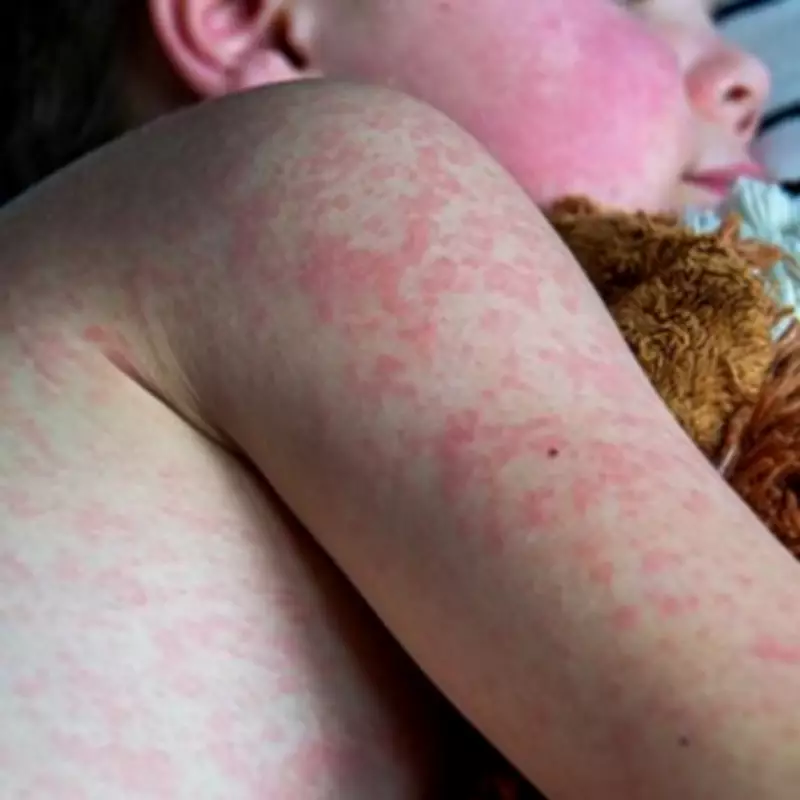
Measles ranks among the most infectious diseases, transmitted through airborne droplets when infected individuals breathe, cough, or sneeze. People remain contagious from the onset of initial symptoms until four days after a rash appears. While many experience mild symptoms akin to a common cold, measles can lead to severe complications, including death or disabilities such as blindness, deafness, and lifelong cognitive issues due to brain swelling. In Western Europe, approximately 1 in 5,000 cases results in death.
Best highlighted the global impact, noting that over 100,000 people die from measles annually worldwide. "We think it's alien that people can die from measles, but for some, it will be fatal," she added.
Declining Vaccination Rates and Historical Context
The decline in measles, mumps, and rubella (MMR) vaccine coverage traces back to a discredited 1998 report by Andrew Wakefield, which falsely linked the vaccine to autism. Despite Wakefield being struck off the medical register and the claim debunked, vaccination programs have struggled to recover fully. Earlier this year, the World Health Organisation confirmed that measles had officially re-established itself in the UK from 2024, after the country lost its elimination status due to falling vaccination rates.
Countries achieve measles elimination status when vaccine coverage exceeds 95%, necessary for herd immunity. The UK was considered to have eliminated the disease from 2021 to 2023, but rates have since dropped to their lowest in over a decade. Latest figures from the UK Health Security Agency (UKHSA) show that in 2024/25, only 91.9% of five-year-olds in England received one dose of the MMR vaccine, unchanged from the previous year and the lowest since 2010/11. Moreover, just 83.7% had both doses, down from 83.9% and the lowest since 2009/10.
Emergency Measures and Nationwide Implications
The extraordinary meeting at the London Assembly will include leaders from the UKHSA to discuss measures such as sending unvaccinated pupils home. Best advocated for proactive planning across the UK, stating, "In Enfield, they made a decision to send pupils home who were unvaccinated. The rest of the country needs to have such procedures in place so we're not arguing about it when it happens. Every other UK city needs to be looking at this."
She further emphasized, "The steps that were taken, if they are found to have worked, then that is what every city could be looking to put in place. Nationwide, everyone should be looking at this."

Local Warnings and Public Health Advice
Other local councils have issued warnings to parents, urging them to verify their children's vaccination status. For instance, Southend City Council noted that cases are rising and are likely to affect Essex, Southend, and Thurrock. The NHS advises anyone suspecting they have measles to stay home and contact their GP for an urgent appointment or call NHS 111. This precaution helps reduce the risk of spreading the virus to vulnerable groups, such as young babies, pregnant individuals, and those with weakened immune systems.
As health leaders brace for Monday's emergency meeting, the potential for school exclusions and broader public health strategies remains a critical focus, aiming to curb the spread of measles and prevent further outbreaks across the UK.