MIND Diet with 10 Ingredients, Including Wine, Could Help Ward Off Dementia
It is never too late to switch to a healthier eating pattern to prevent dementia, according to new research. Scientists have found that following the MIND diet, which includes 10 key ingredients such as wine in moderation, can significantly reduce the risk of developing Alzheimer's disease and related forms of dementia.
What is the MIND Diet?
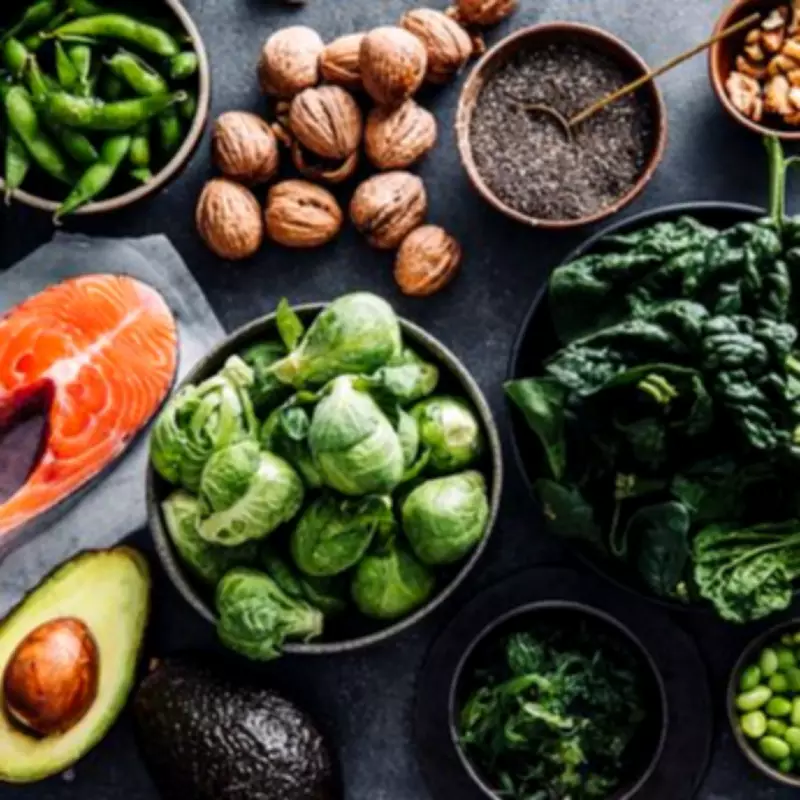
The MIND diet, which stands for Mediterranean-DASH Intervention for Neurodegenerative Delay, combines elements of the Mediterranean diet and the DASH diet, which is designed to lower blood pressure. This dietary approach emphasises proven brain-healthy foods, including leafy green vegetables, berries, nuts, and olive oil, while limiting unhealthy items like butter, red meat, and pastries.
Unlike many diets aimed at quick weight loss, the MIND diet was specifically developed by researchers at Rush University to help prevent dementia and slow cognitive decline as people age. It focuses on reducing oxidative stress and inflammation, which are key factors in brain health.

Key Findings from the Study
Dr Song-Yi Park, Associate Professor at the University of Hawaii at Manoa, led a study analysing data from over 90,000 American adults who provided dietary information starting in the 1990s. Participants were aged between 45 and 75 at the outset, and more than 21,000 developed Alzheimer's or related dementias in the following years.
The research revealed that participants with higher adherence to the MIND diet at the start had a 9% lower risk of dementia. This risk reduction was even greater, around 13%, among African American, Latino, and white individuals. However, the protective relationship was less apparent in Asian Americans and showed a weaker trend in Native Hawaiians, suggesting a need for tailored dietary approaches across different subpopulations.
Importantly, the study found that improving adherence to the diet over time, even for those who did not follow it closely initially, led to a 25% lower risk of dementia compared to those whose adherence declined. This trend was consistent across various age groups, indicating that adopting the diet at any age can yield benefits.
The 10 Brain-Healthy Food Groups
The MIND diet encourages consumption of 10 specific food groups to promote brain health:
- Green Leafy Vegetables: Aim for at least six servings per week, such as kale, spinach, or salad greens.
- Other Vegetables: Include at least one other vegetable daily.
- Berries: Consume berries like strawberries, blueberries, or raspberries at least twice a week for their antioxidant properties.
- Nuts: Eat five or more servings per week.
- Olive Oil: Use as the primary cooking oil.
- Whole Grains: Aim for at least three servings daily.
- Fish: Include fish, preferably fatty types like salmon, at least once a week.
- Beans: Consume beans at least four times a week.
- Poultry: Eat poultry twice a week.
- Wine: Limit to no more than one glass per day, though this is optional.
Foods to Limit
The diet also advises limiting five unhealthy food groups:
- Butter and margarine to less than one tablespoon daily.
- Cheese to less than once a week.
- Red meat to no more than three servings per week.
- Fried food to less than once a week.
- Pastries and sweets to less than five times a week.
Flexibility and Long-Term Benefits
One of the standout features of the MIND diet is its flexibility. Research suggests that even moderate adherence can significantly lower the risk of Alzheimer's disease, meaning individuals do not need to follow it perfectly to see benefits. The focus is on gradually shifting dietary habits over time to include more brain-healthy foods.

Dr Park emphasised that the study confirms healthy dietary patterns in mid to late life, and improvements over time, may prevent Alzheimer's and related dementias. She presented these findings at the annual meeting of the American Society for Nutrition in Orlando, Florida, highlighting the diet's potential as a practical tool for dementia prevention across diverse populations.