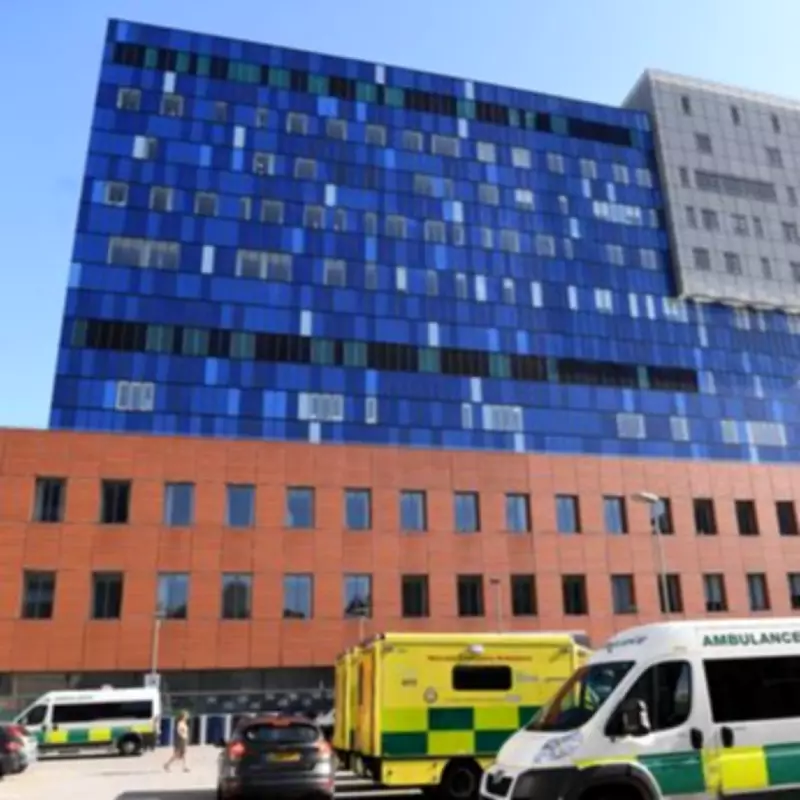
Mirror Campaign Secures Victory as Royal London Hospital Reopens Vital Sickle Cell Unit
In a significant healthcare victory, the specialist emergency sickle cell unit at the Royal London Hospital is set to reopen following a successful campaign backed by The Mirror. This decision comes after a petition warned that the closure of this critical facility could cost lives, prompting widespread public support and media attention.
Specialist Care for a Growing Genetic Condition
The unit, initially introduced as a six-month pilot, provides rapid access to specialist care for individuals living with sickle cell disease. This condition is the fastest-growing genetic disorder in the United Kingdom, primarily affecting people with African or Caribbean family backgrounds. Approximately 18,000 individuals in the UK are impacted by sickle cell disease, where red blood cells take on a sickle shape instead of the usual circular form. This abnormality causes painful blockages that can trigger life-threatening crises and severe complications, necessitating immediate and expert medical intervention.
Confirmation of the reopening was revealed by the Sickle Cell Society, which stated: “We are pleased to confirm that the same day emergency care unit at the Royal London Hospital will reopen.” The society emphasized that this development will reassure many patients and families, underlining the importance of sustainable services that improve patient experience and health outcomes over the long term.

Patient Advocacy and Media Support Drive Change
Londoner Delo Biye, a 48-year-old living with sickle cell, launched the petition to keep the unit open after discovering its closure when he sought emergency care at the hospital. Within days of the unit shutting down earlier this year, Delo experienced a sickle cell crisis and noticed a stark decline in the quality of specialist care available. He recounted his ordeal to The Mirror: “Two days after the closure I had to go to A&E. I was there for 24 hours and didn’t make it to the ward. I spent 12 painful hours on the blue chairs. The nurses did their best, but they couldn’t get the treatment to me on time. They tried as hard as they could, but they are overloaded.”
Delo believes that services like the Royal London unit provide essential support that general emergency departments often struggle to deliver. He advocates for more such units across the country, stating: “Specialist units like this should exist around the country anywhere where there’s even a small percentage of sickle cell warriors, because they provide things that A&E can’t.” His campaign gained momentum with media coverage, particularly from The Mirror, which helped raise global awareness. Delo expressed gratitude, saying: “The media coverage has been essential. Initially, my hopes were to get 1,500 signatures, but with the coverage the petition has gone to people around the world. Thank you for letting people see this battle, this struggle so that they can put their weight behind it.”
Funding and Future Operations
Funding for the service was secured after discussions between the local Integrated Care Board (ICB), the Sickle Cell Society, and the red cell clinical team at the Royal London Hospital. While a specific reopening date, precise operational details, and location are yet to be confirmed, the revived unit is expected to incorporate lessons learned from the pilot to maximize its impact. Barts Health NHS Trust clarified: “We have got funding to explore alternative pathways for sickle cell patients in crisis.”
This reopening follows the No One’s Listening report, published by several organizations including the Sickle Cell Society, in response to 2021 All Party Parliamentary Group findings that identified shocking failings in sickle cell care. The report prompted the development of specialist facilities like the Royal London unit. Nationally, there are just seven emergency sickle cell bypass units, introduced as part of a two-year NHS England pilot currently under evaluation.

A Step Towards Permanent Specialist Care
Patients and campaigners now hope that the reopening marks the beginning of more permanent and widespread specialist care for people living with sickle cell across the UK. The victory underscores the power of community advocacy and media support in addressing critical healthcare gaps, ensuring that vulnerable populations receive the timely and expert treatment they desperately need.