MP Exposes Systemic Bias in NHS as Women's Health Concerns Dismissed
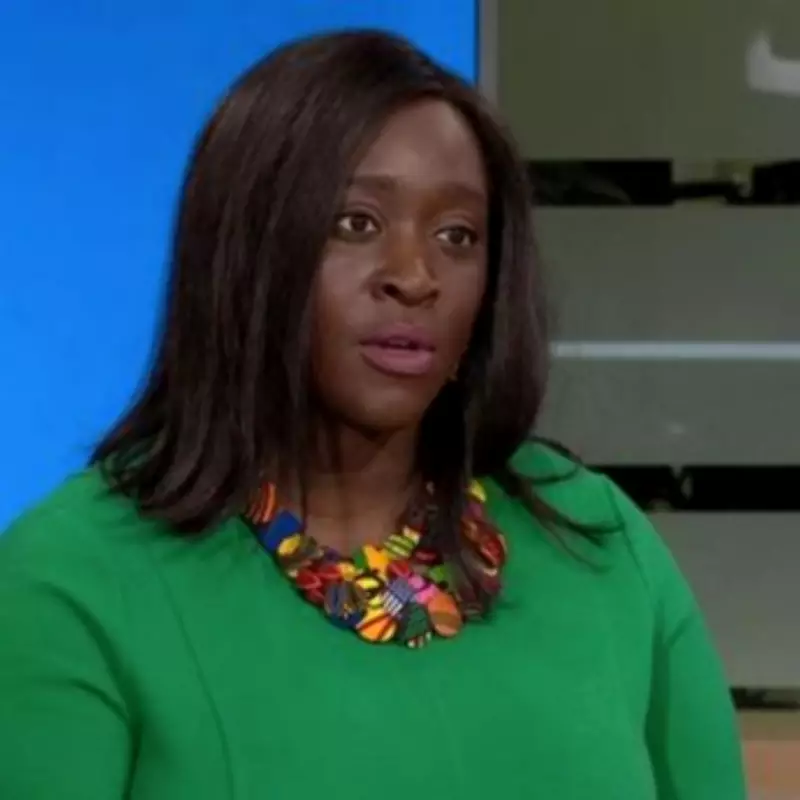
Labour MP Abena Oppong-Asare has issued a stark warning about a double whammy of sexism and racism operating within the National Health Service, where millions of women suffering from debilitating conditions are having their pain systematically ignored. Writing for The Mirror, the MP for Erith and Thamesmead detailed how blinding pain caused by endometriosis or fibroids is frequently dismissed by medical professionals, with a concerning lack of urgency in finding cures.
Decades of Dismissal and Diagnostic Delays
For generations, women visiting their GP with complaints of severe period pains and heavy bleeding have been fobbed off and sent packing. Yet for countless individuals, this excruciating discomfort stems from serious medical conditions that doctors consistently fail to identify. Oppong-Asare recently conducted a survey among her constituents, uncovering heartbreaking accounts of repeated diagnostic failures and a shocking absence of urgency when women dare to speak about their bodily experiences.
Endometriosis affects approximately one in ten women, meaning sufferers are present in every workplace, community, and family across the nation. However, the wait for a definitive diagnosis can extend for years. A new report from Endometriosis UK reveals that waiting times are actually worsening, now averaging nine years and four months. For Black women and those from other ethnic backgrounds, the delay stretches to an astonishing eleven years, as their pain is routinely dismissed and their voices ignored.

Shocking Personal Testimonies Highlight Systemic Failure
The responses to the MP's survey painted a distressing picture of healthcare neglect. One woman described having to visit her GP three times and leave a desperate plea for help before being taken seriously. Another admitted she had never heard of her condition until it began affecting her life. A third recounted pain so excruciating it felt worse than giving birth. These stories are not isolated incidents but reflect the experiences of millions of women over decades whose symptoms have been minimized, misunderstood, or diagnosed far too late.
Oppong-Asare posed a provocative comparison, stating that if one in ten men suffered similarly, there would likely be fast-track diagnosis systems, paid time off work, widespread sympathy, and substantial investment in finding cures. Instead, women face terrible pain, shameful stigma, and no cure in sight.
Reasons for Hope and Legislative Progress
Despite the grim reality, there are emerging signs of positive change. Public awareness is growing, partly driven by figures like Emma Barnett and impactful media such as the BAFTA-winning short film This Is Endometriosis. Creator Georgie Wileman spoke powerfully about how women with endometriosis are routinely dismissed or accused of exaggeration. Oppong-Asare plans to host a parliamentary screening to ensure policymakers hear these stories directly.
Some welcome steps forward include:
- Inclusion of menopause questions in the NHS Health Check
- Action to reduce gynaecology waiting lists
- Implementation of Jess's Rule, requiring GPs in England to reconsider cases where women seek help multiple times without clear diagnosis
Call to Action During Endometriosis Action Month
With International Women's Day coinciding with Endometriosis Action Month, Oppong-Asare emphasizes this is a crucial moment to tackle taboos and get Britain talking about fibroids, endometriosis, and other gynaecological conditions. She has been raising these issues in Parliament, pushing ministers to act, with the Labour government preparing to launch a new Women's Health Strategy.
This strategy represents a real opportunity to transform women's healthcare. The goal must be diagnosis within months rather than years, with doctors trained to recognize fibroids and endometriosis immediately when women present with pain and bleeding. No woman should ever be told to stop complaining and tough it out.

Until medical science discovers a cure, women need speedy diagnosis, effective pain management, appropriate time off work, and understanding from employers, educators, partners, and medical professionals. Addressing endometriosis transcends medical treatment; it is a matter of social justice, correcting centuries of wrongs inflicted on millions of women labeled as over-reacting, over-demanding, or mentally ill. Fast, effective, and equitable treatment for endometriosis and women's health broadly lies at the very heart of Labour's values.