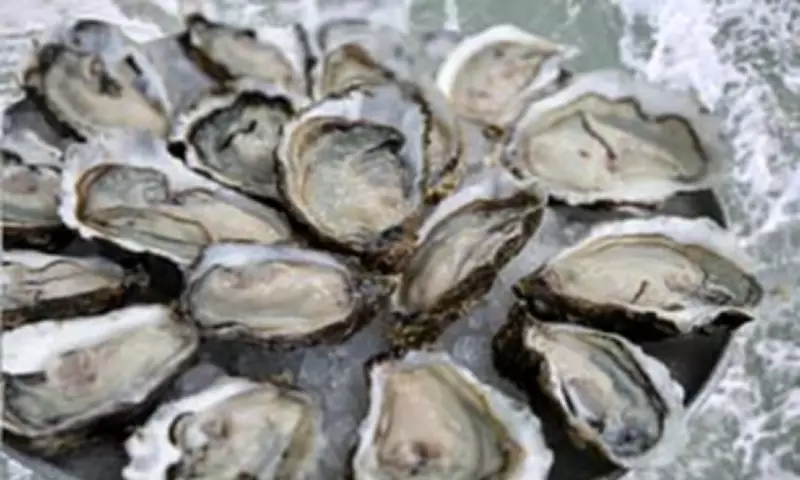
Shellfish Recall Expands Across Multiple States Over Norovirus Concerns
The Food and Drug Administration has issued a significant public health alert, urging the immediate recall of multiple shellfish products across at least nine American states. This action follows concerns that Manila clams and raw oysters may be contaminated with a highly contagious norovirus, sometimes referred to as a 'rib-cracking' virus due to the severity of its symptoms.
Affected Products and Distribution Areas
The FDA notice, released on Monday, specifically targets Manila clams harvested by the Lummi Indian Business Council. Restaurants and retailers in Arizona, California, Florida, Georgia, Illinois, Nevada, New York, Oregon, and Washington state are instructed not to sell these products. Additionally, consumers in Washington who have purchased recalled raw oysters from Drayton Harbor Oyster Company are advised not to consume them.
Both the clams and oysters carry harvest dates ranging from February 23 through March 3, 2026, and were sourced from the Drayton Harbor area in Washington. While distribution is confirmed in the nine listed states, the FDA warns that these shellfish may have been further distributed to other regions, broadening the potential public health impact.

Norovirus: A Serious Public Health Threat
Norovirus is a highly contagious illness that causes acute gastroenteritis, leading to severe diarrhea and vomiting. In extreme cases, the forceful nature of these symptoms can result in broken ribs, hence the colloquial 'rib-cracking' moniker. The FDA emphasizes that contaminated shellfish may appear, smell, and taste normal, making visual inspection unreliable for safety assessment.
The virus spreads through contact with germs from an infected person's vomit or feces, contaminated food, shared utensils, or surfaces. This ease of transmission heightens the risk of outbreaks, particularly in settings like restaurants where cross-contamination can occur.
Recall Triggered by Illness Outbreak
The Washington Department of Health notified the FDA on March 4 about a recall of the raw oysters and Manila clams. This action was prompted by a norovirus-like illness outbreak linked to consumption of these products. Norovirus, often called the stomach flu, is estimated to affect approximately 20 million Americans annually, though actual figures are likely higher due to underreporting of mild cases.
Diagnosis typically involves testing stool or vomit samples, but tests are usually only ordered based on symptoms, meaning many infections go unrecorded. The illness results in about 2 million visits to doctors' offices and urgent care centers each year, with the Centers for Disease Control and Prevention estimating around 2,500 outbreaks annually in the United States.
Health Risks and Safety Recommendations
While most individuals recover from norovirus within a few days, the illness poses serious risks, particularly to vulnerable populations. Symptoms emerge rapidly, within 12 to 48 hours of exposure, and include severe nausea, diarrhea, and vomiting. These can lead to life-threatening dehydration, as frequent fluid loss causes electrolyte imbalances that may result in dangerously low blood pressure, reduced blood flow to vital organs, and potential harm to the heart and muscles.
In severe cases, electrolyte disturbances can trigger seizures or loss of consciousness. Norovirus is responsible for approximately 900 deaths each year, primarily among adults aged 65 and older.
Immediate Actions Required
The FDA advises that anyone in possession of the recalled shellfish should discard them immediately to prevent illness. Retailers and restaurants must be vigilant about potential cross-contamination, ensuring thorough cleaning and sanitization of any utensils, preparation areas, or surfaces that may have contacted the affected products.
This recall underscores the critical importance of food safety protocols and prompt regulatory response to protect public health from widespread norovirus contamination.