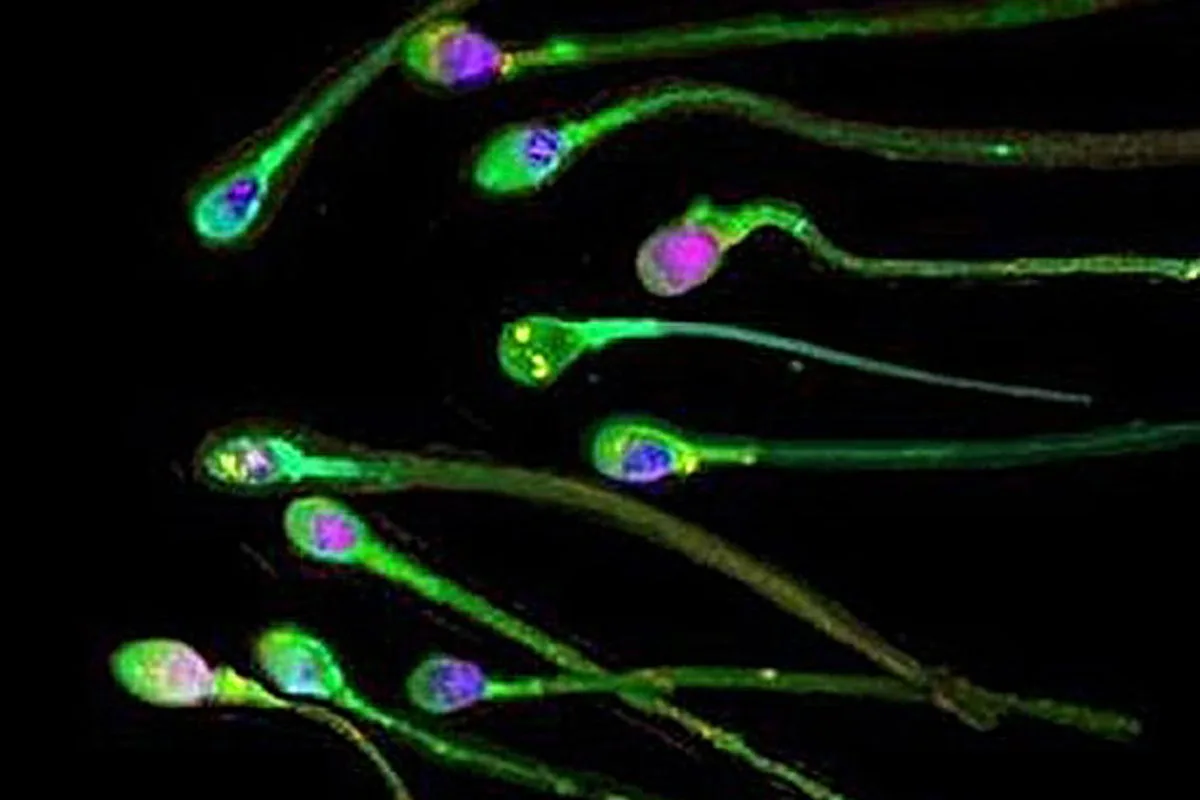
New research challenges the common advice that men should abstain from ejaculation for several days to boost fertility. A study analysing data from nearly 55,000 men across 115 studies found that sperm quality deteriorates during periods of sexual abstinence, with reduced motility, viability, and increased DNA damage.
The study, published in the journal Human Reproduction Update, identifies two main causes: oxidative stress, which damages sperm cells, and energy depletion, as sperm have limited capacity to replenish their fuel reserves. The findings suggest that even the World Health Organization's recommended abstinence period of two to seven days before providing a sperm sample may be too long.
Researchers found that ejaculating within 48 hours of providing a sample improves outcomes in fertility treatments such as IVF. They also note that frequent ejaculation, including through masturbation, may help flush out damaged sperm, potentially offering an evolutionary advantage.

The study also examined data from 30 animal species, including birds, bees, and mammals, finding that sperm quality declines during storage in both males and females. However, sperm stored inside females deteriorated more slowly, likely due to specialised organs that secrete protective antioxidants.
Lead author Dr. John Smith from the University of Sheffield said: 'Whether in mice or men, sperm, much like eggs, have a use-by date after being produced. When sperm are stored for too long before fertilisation, they deteriorate in quality.' The research suggests that modifying the duration of sperm storage could be a simple intervention to improve fertility.