In a compelling insight into dietary health, consultant bariatric surgeon Andrew Jenkinson has identified four specific foods he would never consume, emphasising that weight management hinges not on calorie counting but on the quality of what we eat. Based in London's Harley Street, Jenkinson specialises in weight loss surgery and laparoscopic procedures, and he asserts that treating food as a drug—with some items being 'toxic' and others 'medicinal'—can revolutionise our approach to nutrition and overall well-being.
The Drug-Like Nature of Food
Jenkinson explains that food components send signals to the body similar to pharmaceuticals, influencing weight and health more directly than calorie content alone. He states, "The calories in your food are of secondary importance to your weight and health. It's what the food does to your body, and just as importantly what it does to your brain, that matters." This perspective, detailed in his new book How to Eat (And Still Lose Weight), suggests that adopting this mindset can lead to natural cravings for healthier options without relying on sheer willpower.
Foods to Avoid
Jenkinson categorises certain foods as 'leptin busters' or triggers for inflammation, advising against their consumption to prevent weight gain and related health issues.

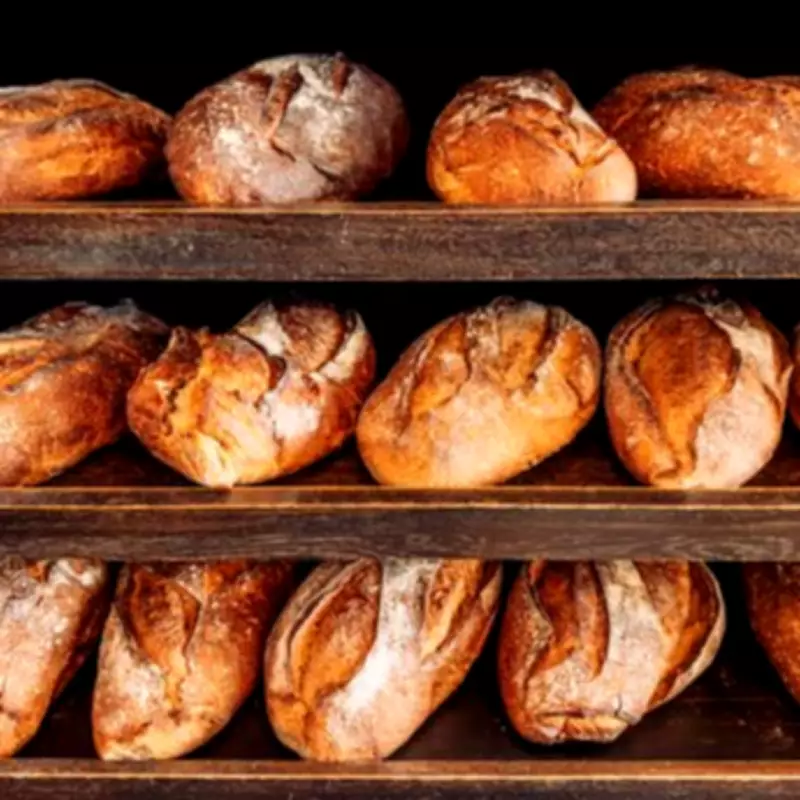
- High Sugar and Refined Carbohydrates: Items like cakes, pasta, and bread contain refined carbs that disrupt leptin signalling, a hormone crucial for metabolism and appetite control, leading to leptin resistance and obesity.
- Sweetened Soft Drinks: High in fructose, these beverages can activate a primitive weight gain response in cells, especially when consumed in large quantities from processed sources.
- Fast Food and Processed Foods: Designed to stimulate reward pathways, these foods are rich in vegetable oils high in omega-6, which imbalance omega-3 fats, cause insulin malfunction, and trigger inflammation. Examples include crisps, burgers, and foods cooked in sunflower or rapeseed oil.
- Foods with Artificial Additives: Colourings, flavourings, and emulsifiers are chemical creations that can cause inflammation, allergies, and increased cancer risk, acting as toxic substances in the body.
Foods to Embrace
To counteract these effects, Jenkinson recommends incorporating nutrient-dense foods that support weight loss and reduce inflammation.
- Fish: Rich in anti-inflammatory omega-3 oils, fish like sushi—popular in Japan—promotes health and aids weight management.
- Egg Whites: A high-protein option that helps reduce omega-6 intake from yolks, supporting better metabolic function.
- Healthy Grains: Opt for pulses, beans, quinoa, or buckwheat over white rice and bread to avoid insulin spikes and maintain weight control.
- Leafy Greens and Berries: Fresh vegetables, especially colourful ones, provide phytochemicals and antioxidants, while berries offer these benefits with low fructose levels to prevent weight gain.
- Saturated Fats: Grass-fed red meat, butter, and yoghurt contain natural saturated fats that do not spike insulin or cause obesity, though palm oil should be avoided due to heart disease links.
- Natural Spices and Salt: Used in moderation, these enhance flavours and provide vitamins and anti-inflammatory compounds, making meals enjoyable and nutritious.
Jenkinson concludes that by viewing food through this medicinal lens, individuals can foster a healthier identity and lifestyle, moving beyond restrictive diets to embrace eating habits that naturally promote longevity and happiness. His book, published by Penguin Life at £18.99, offers further guidance on this transformative approach.